
Youths from the Western region have engaged in a dialogue to discuss the key challenges affecting them and identify priority issues they want political leaders to address ahead of the 2027 general elections.
The discussions focused on creating space for young people to articulate their concerns and participate meaningfully in shaping the country’s political and development agenda.
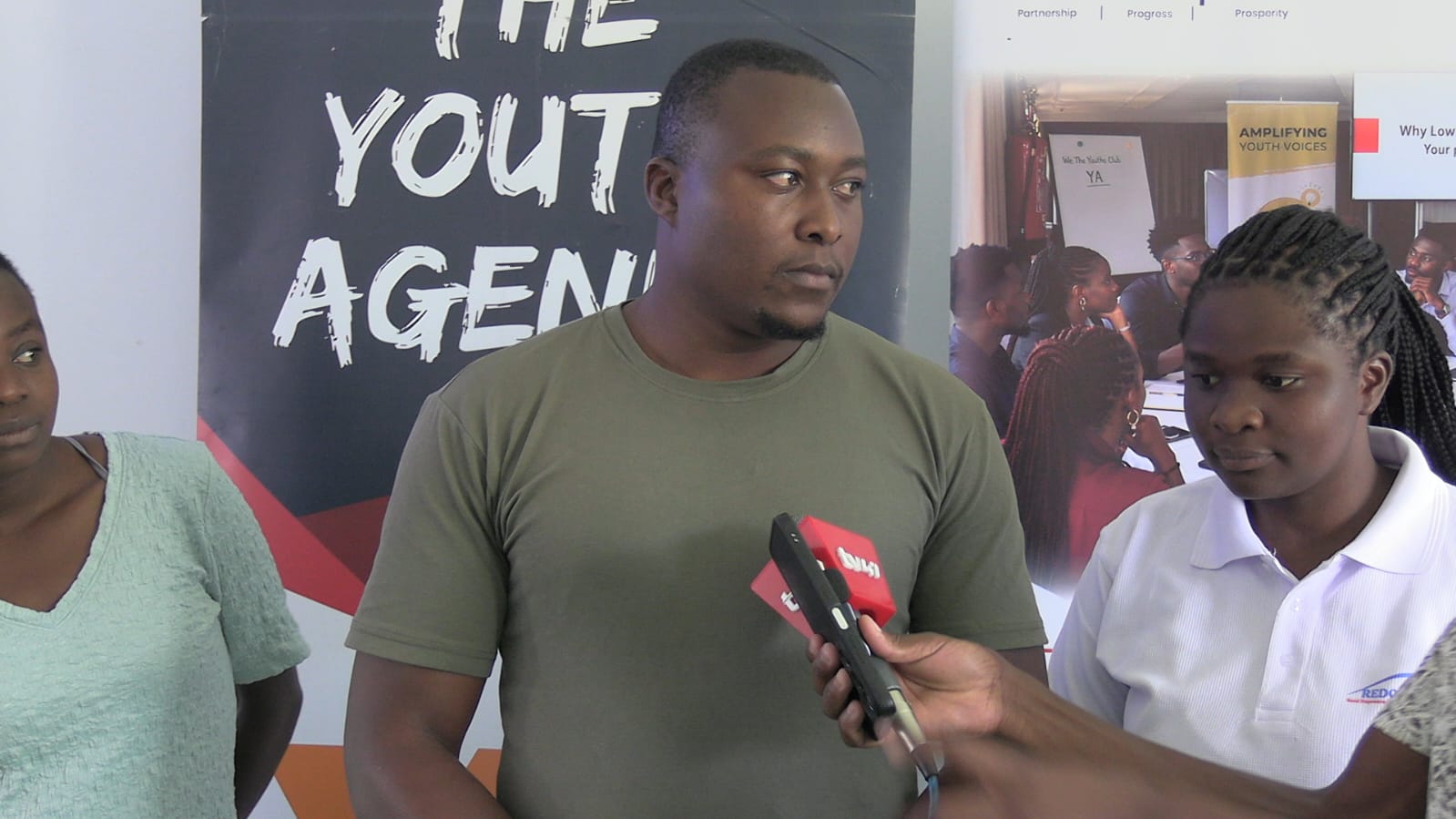
The youth forum, held in Bungoma, brought together young people to deliberate on issues affecting their livelihoods, participation in governance and representation in political decision-making processes.
Addressing the media during the youth forum, Brian Sengeli, programs officer at the Youth Agenda, said the engagements are intended to provide young people with a platform to identify issues affecting them and develop a common agenda that can be presented to political leaders.
“As an organization, we believe in providing a platform for the youth to engage, influence decisions and influence key policies within the counties and the region,” he said.
Sengeli said the initiative seeks to move young people away from being passive participants in electoral politics and instead position them as active stakeholders capable of influencing political conversations and policy priorities.
He said the organization is conducting similar engagements across the country to consolidate the voices of young people and establish the issues they consider important ahead of the 2027 elections.
“We are going around the country to consolidate the voices of young people on their key priority issues within Kenyan counties and then use those issues as an engagement model that they can use to engage the political class,” he said.
He affirmed that the forums are also aimed at promoting issue-based politics, where political leaders are challenged to respond to the actual needs and priorities of citizens rather than relying mainly on political rhetoric.
He said the organization wants young people to understand the challenges affecting them within their respective counties and use the knowledge to engage political leaders and demand commitments on how the issues will be addressed.
The forums are expected to help youths develop priority agendas that can be presented to political aspirants and political parties as they prepare their manifestos ahead of the 2027 general elections.
Sengeli said another key objective is to establish an accountability mechanism through which young people can monitor commitments made by political leaders during the election period.
“We want to ensure that the youth are aware of their key issues within the county, that they can use those issues to engage the political class, create an accountability mechanism and use the forums to influence political party manifestos,” he said.
He noted that young people form an important section of the electorate and should therefore have a stronger voice in determining the issues that political leaders prioritise.
He said they intends to organize further engagement forums bringing together youths and political aspirants across different counties to allow candidates to listen directly to young people’s concerns and respond to their priorities.
He noted that the engagements will also provide an opportunity for young people to scrutinize the proposals and promises being made by political aspirants and assess whether they address the challenges facing their communities.
“Our mission is very simple, to ensure that the youth factor counts and that the political culture changes from the traditional way to one that focuses more on issue-based politics,” Sengeli said.