
United States President Donald Trump said early Wednesday, April 8 that he had agreed to suspend the bombing and attack of Iran for a period of two weeks.
However, President Trump was quick to point out that the ceasefire will only apply if Tehran reopens the Strait of Hormuz, a critical waterway through which nearly one-fifth of the world’s oil moves.
The announcement came just hours ahead of Trump’s deadline in which he had threatened to obliterate Iran’s infrastructure.
“We have a plan where every bridge in Iran will be decimated by 12 o’clock tomorrow night. Where every power plant in Iran will be out of business, burning, exploding and never to be used again. I mean complete demolition by 12 o’clock, and it will happen over a period of four hours if we wanted to,” Trump said had warned. “We don’t want that to happen.”
What comes with the ceasefire?
Meanwhile, both PresidentTrump and Iran have elevated the last minute ceasefire deal as a victory for theur nations.
The ceasefire comes as a relief, with the conflict having affected negatively the global economy by sparking a historic oil crisis.
With the ceasefire deal, Iran says it will allow safe passage of marine traffic through the Strait of Hormuz during this period if vessels coordinate with Iranian armed forces.
Iranian Foreign Minister Abbas Araghchi also said Tehran will stop military attacks as long as it is not attacked.
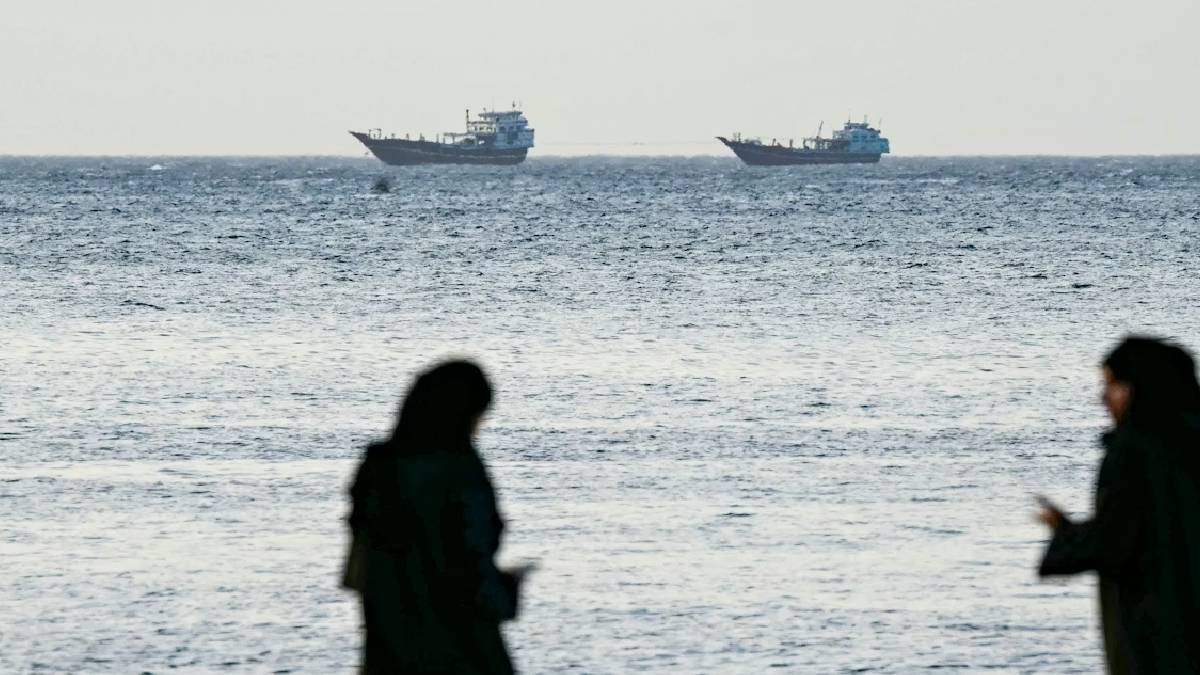
The military escalation in the region has disrupted shipping flows through the Strait of Hormuz, with the resulting ripple effects going far beyond the Middle East, affecting energy markets, maritime transport and global supply chains.
According to the United Nations Conference on Trade and Development, reopening the Strait of Hormuz will immediately ease the global oil crisis by restoring a massive flow of energy that has been largely stranded.
Since the waterway handles approximately 20–30% of the world’s oil and liquefied natural gas (LNG), its reopening serves as a critical relief for the global supply.
Fuel shortage reported in Kenya
Just like other countries in the world, Kenya started experiencing fuel shortage this week, with long queues of motorists and motorcyle operators witnessed in Eldoret, Naivasha and Kisii towns.