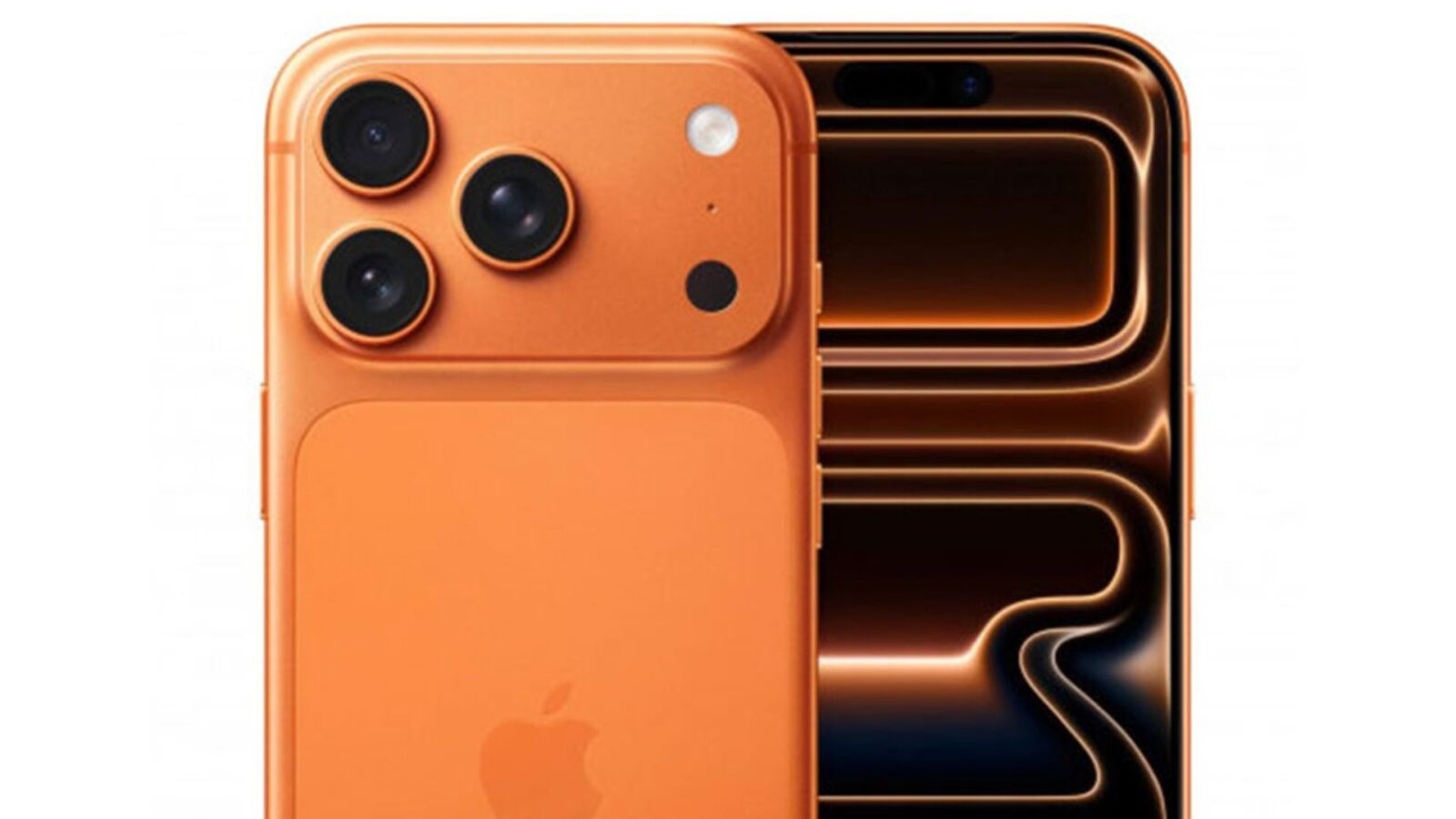
Kenya has taken a decisive step in reshaping its mobile device market, with the Communications Authority of Kenya (CA) rolling out new technical standards that will fundamentally change the types of phones sold in the country.
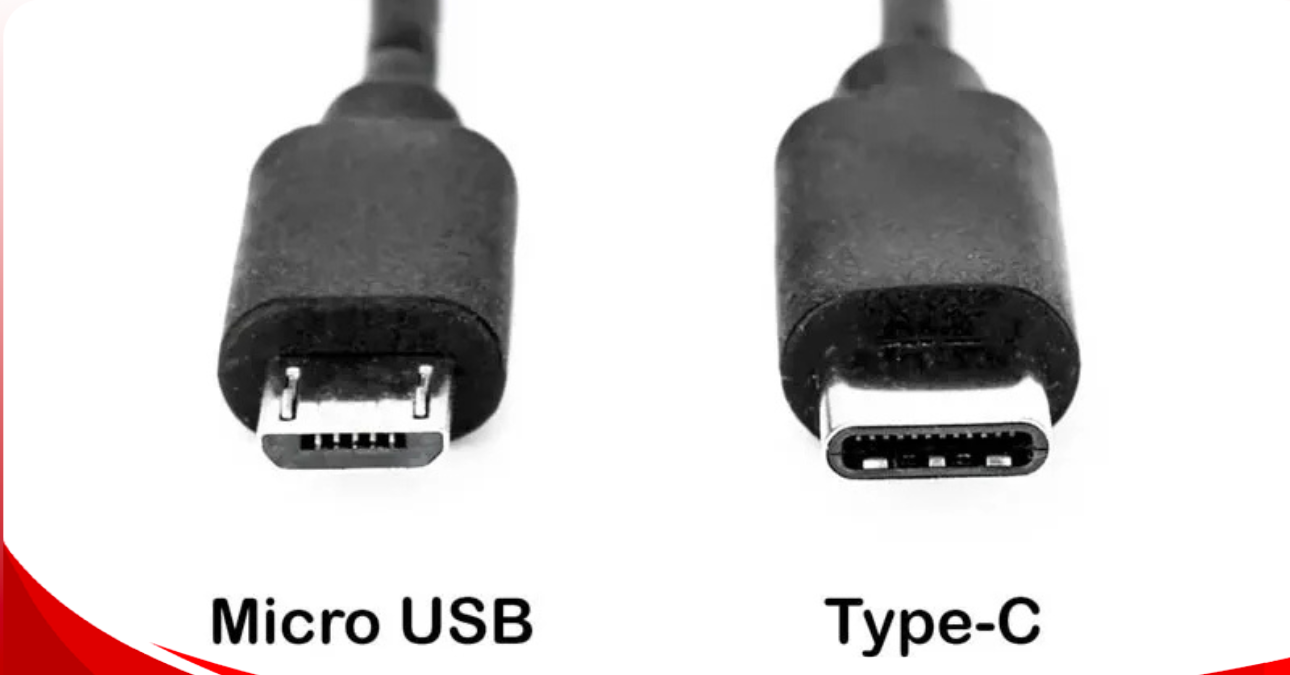
In its newly released “Technical Specifications for Mobile Cellular Devices – 2026,” the regulator now requires all mobile phones entering the Kenyan market to adopt USB Type-C as the universal charging port.
The directive, issued under the leadership of Director General David Mugonyi, signals a broader shift toward standardisation, consumer protection, and environmental sustainability.
Why Kenya is enforcing USB-C
The move is not just about convenience it is rooted in how Kenya’s telecommunications market is structured and regulated.
According to the CA’s framework on market structure, the authority oversees device standards to ensure interoperability, safety, and efficiency across the ICT ecosystem.
By mandating USB-C, Kenya is addressing several long-standing issues at once.
First is electronic waste. For years, the market has been flooded with devices using different charging ports Micro-USB, proprietary pins, and older connectors forcing consumers to discard cables and chargers whenever they switch devices. A universal standard reduces duplication and extends the lifecycle of accessories.
Second is consumer safety and quality control. Standardised charging systems reduce the risks associated with substandard or incompatible chargers, which have previously contributed to device damage and safety hazards.
Third is global alignment. Kenya is effectively harmonising its device ecosystem with international markets, particularly policies already adopted in regions like the European Union.
This makes it easier for manufacturers to supply compliant devices and for Kenyan consumers to access globally compatible technology.
What the new rules require
Under the 2026 specifications, all mobile devices smartphones and feature phones alike must meet a set of minimum technical and safety standards.
- USB Type-C is now mandatory for all mobile cellular devices sold in Kenya.
- Devices must come with a detachable charging cable, rather than fixed or hardwired chargers.
- Batteries must support at least 8 hours of talk time and 24 hours of standby time, ensuring baseline performance quality.
- Any device sold with a plug must use the standard 3-pin (Type G) configuration used in Kenya, or include a compliant adapter.
These requirements tie back to the CA’s broader regulatory role of ensuring that all equipment connected to national networks meets defined technical thresholds before receiving type approval.
The end of “katululu” as we know it
One of the most immediate impacts will be felt in the low-cost phone segment.
Many ultra-affordable feature phones popularly known as Katululu still rely on Micro-USB or proprietary charging ports because they are cheaper to produce.
Under the new rules, such devices will no longer qualify for type approval, effectively locking them out of the Kenyan market once the transition period lapses.
This is a significant shift in a country where budget phones have historically played a key role in expanding access to mobile connectivity.
However, the CA’s position reflects a balancing act between affordability and long-term sustainability.
A broader regulatory push
The USB-C directive is part of a wider regulatory update that also touches on import controls and compliance.
Earlier in March 2026, the CA released a public consultation outlining revised permit fees for ICT equipment imports KES 15,000 for commercial imports and KES 5,000 for personal imports signalling tighter oversight of devices entering the country.
What it means for consumers and the industry
For consumers, the changes promise greater convenience and reliability one charger for multiple devices, fewer compatibility issues, and improved device quality.
For manufacturers and importers, however, the directive raises the bar. Only devices that meet the new specifications will be approved for sale, potentially reshaping the range of phones available, particularly at the lower end of the market.
In the long run, the policy positions Kenya as a standards-driven ICT market, aligning local regulations with global trends while addressing local challenges such as e-waste and substandard devices.
As the transition unfolds, the real test will be how quickly manufacturers adapt and whether affordable, compliant alternatives can fill the gap left by the outgoing generation of budget phones.
ALSO READ: Media Council of Kenya orders strict enforcement of 7-second delay on all live broadcasts