Kenya’s Constitution outlines clear rules for elections. Under Article 88 and the Elections Act, the official campaign period opens 12 months before a General Election, meaning that for the August 2027 polls, regulated campaigning should begin around August 2026.
During this period, political parties must register activities and adhere to campaign finance and messaging rules monitored by the Independent Electoral and Boundaries Commission.
However, political activities across the country suggests the race may already be underway.
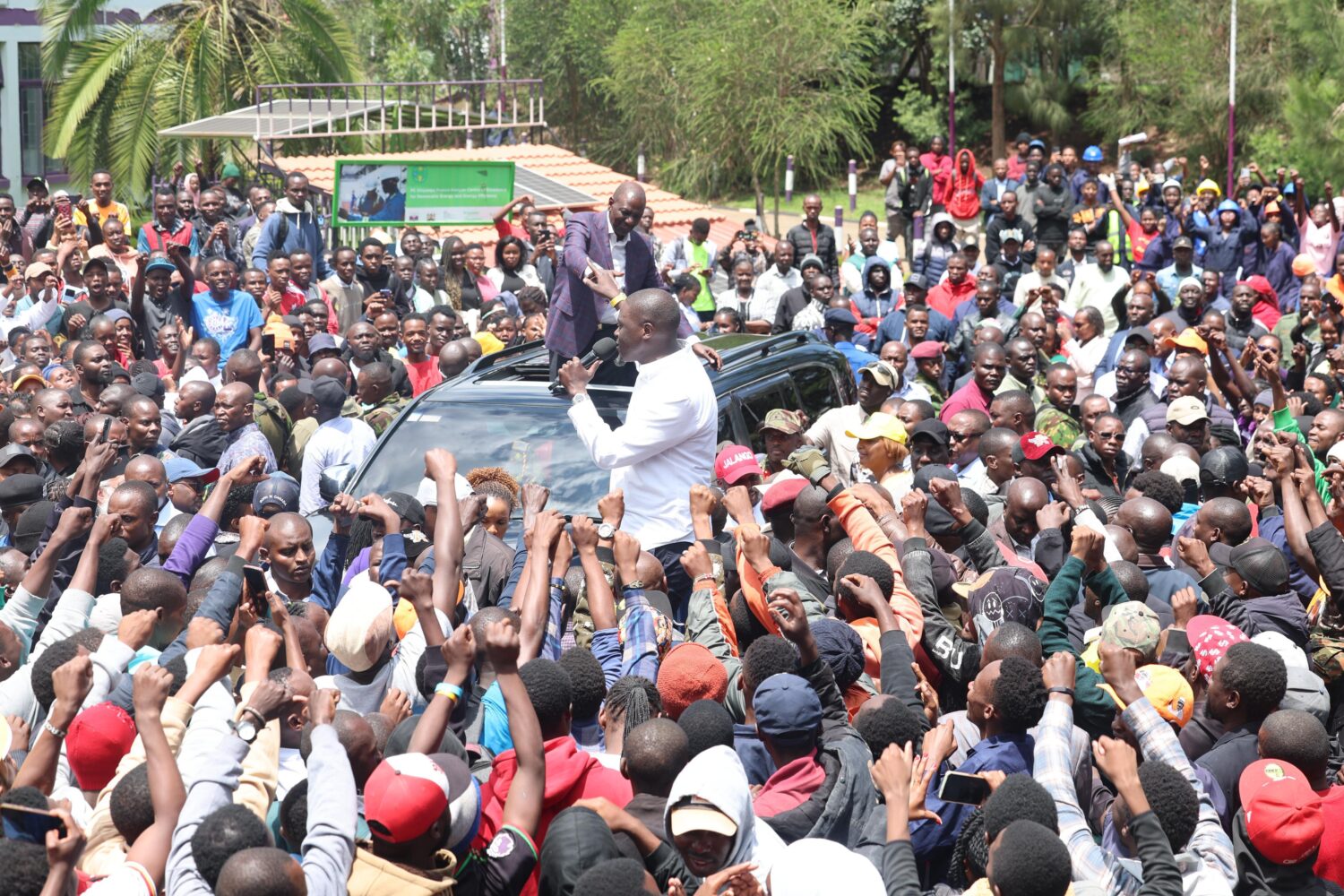
Leaders, including Nairobi Senator Edwin Sifuna and Embakasi East MP Babu Owino, have the “Linda Mwananchi” rallies, which have drawn large crowds, while criticising government policies and mobilising supporters around economic concerns.
On the other side, leaders within the United Democratic Alliance (UDA) have also intensified grassroots engagements, rolling out government-linked youth empowerment initiatives such as the Nyota programme.
While officially framed as development support, critics argue that the distribution of funds and public tours resemble early voter mobilisation.
The political temperature has not been without consequences. Some rallies have turned chaotic. Clashes between rival supporters have been reported in parts of the country, and tragically, lives have been lost in these political confrontations.
So why the early momentum?
First, political realignments. Internal shifts within parties and emerging alliances are pushing leaders to secure their bases early.
Second, economic pressure. With high cost of living concerns, politicians are capitalising on public frustration to build loyalty.
Third, succession politics. 2027 is shaping up as a defining election, and early visibility builds name recognition, fundraising networks, and regional dominance.
Every candidate has every right to vibrant political competition. But when mobilisation begins years before the constitutional campaign window, the risk is that governance takes a back seat to constant campaign mode.
The real test now is whether leaders can pursue influence without inflaming tensions, and whether institutions can enforce the rules designed to protect both democracy and human life.