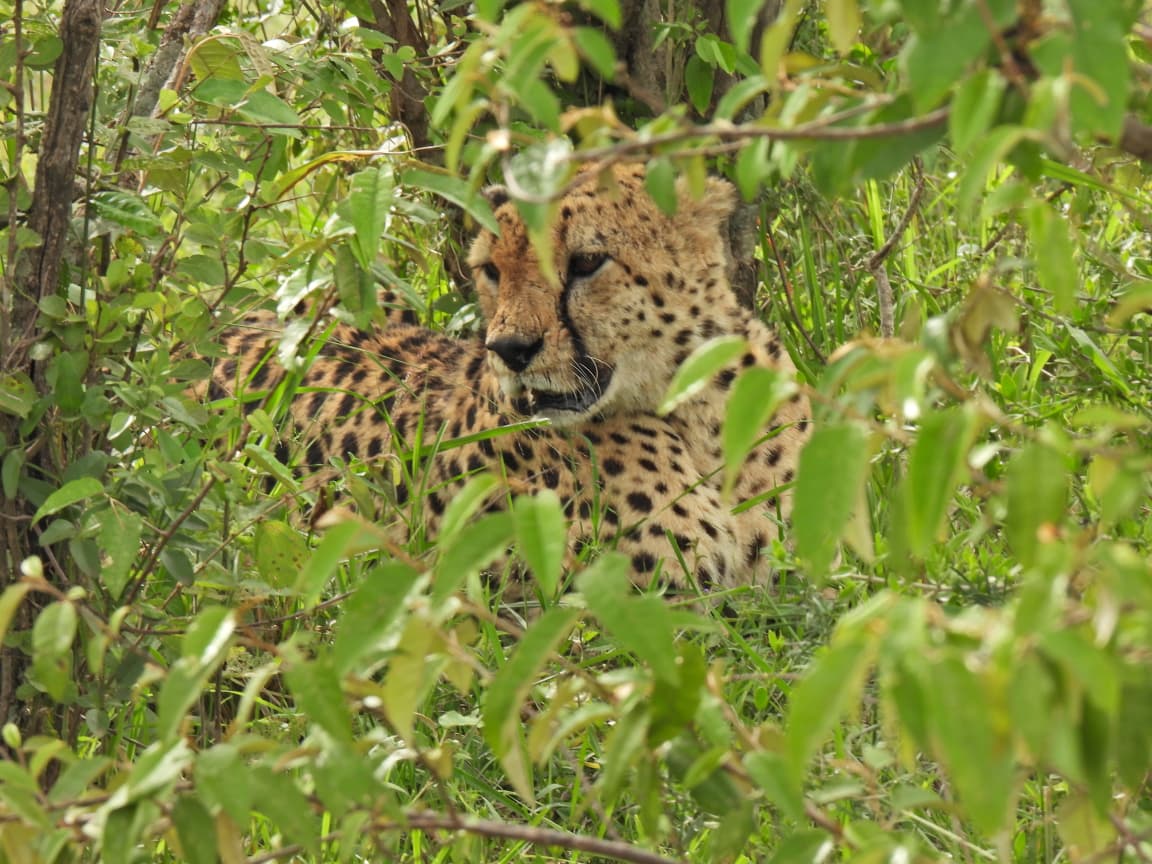
In the wild, the Darwinian theory of evolution— Survival for the fittest is best put into practise, with most predators depending on strength and speed to survive. However, sometimes, survival for predators depends on a helping hand.
This is what transpired in the Tipilikwani area of the Masai Mara National Reserve, when Olonyok, an 11-year-old male cheetah was injured.
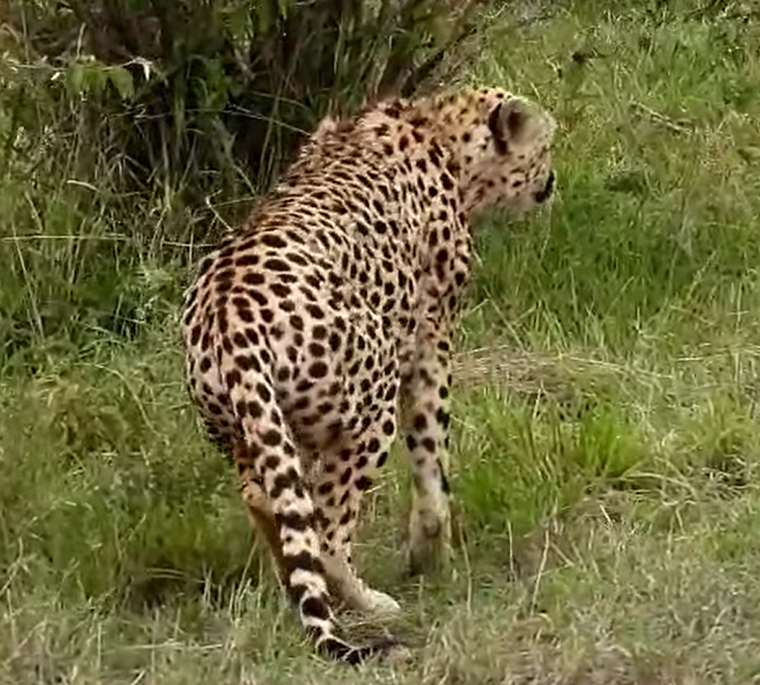
When hawk-eyed tourists came across Olonyok and noticed that it was limping, albeit slightly, they informed authorities.
The Kenya Wildlife Service (KWS) Mara Veterinary Unit, led by Dr. Aminga, swiftly responded.
The team found Olonyok moving with mild asymmetry in pelvic movement as he walked. There were no visible wounds or signs of trauma, only a slight swelling around his paw.
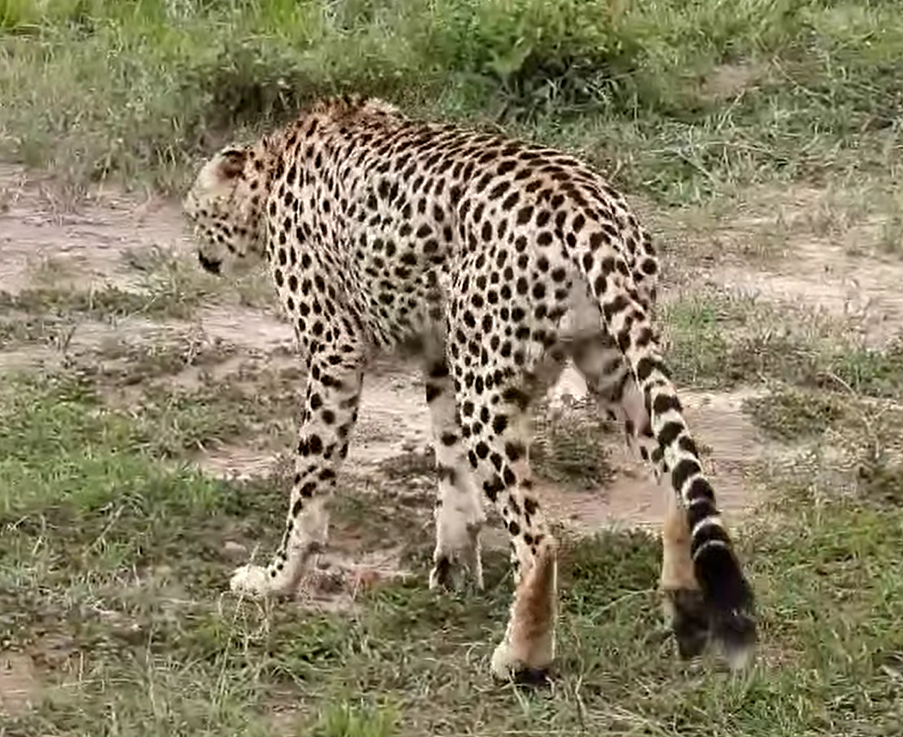
The injury appeared to be soft tissue in nature, most likely a muscle strain from a recent chase; a reminder that even the strongest hunters are vulnerable.
“To avoid unnecessary stress, anti-inflammatory medication was delivered remotely by dart,” KWS says. “Olonyok responded well, and his prognosis is good, with expectations of a full recovery.”
Kenyans can stand with KWS and their course of making a diference for cheetahs, for wildlife and for generations to come by donating here>>> https://kwspay.ecitizen.go.ke/donate