
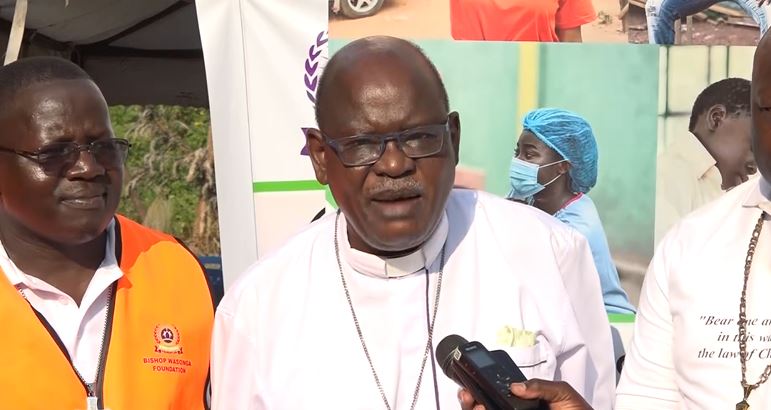
Retired Anglican Bishop Joseph Otieno Wasonga has called on the Siaya County Government to engage healthcare workers in dialogue and resolve their dispute to restore services in public health facilities.
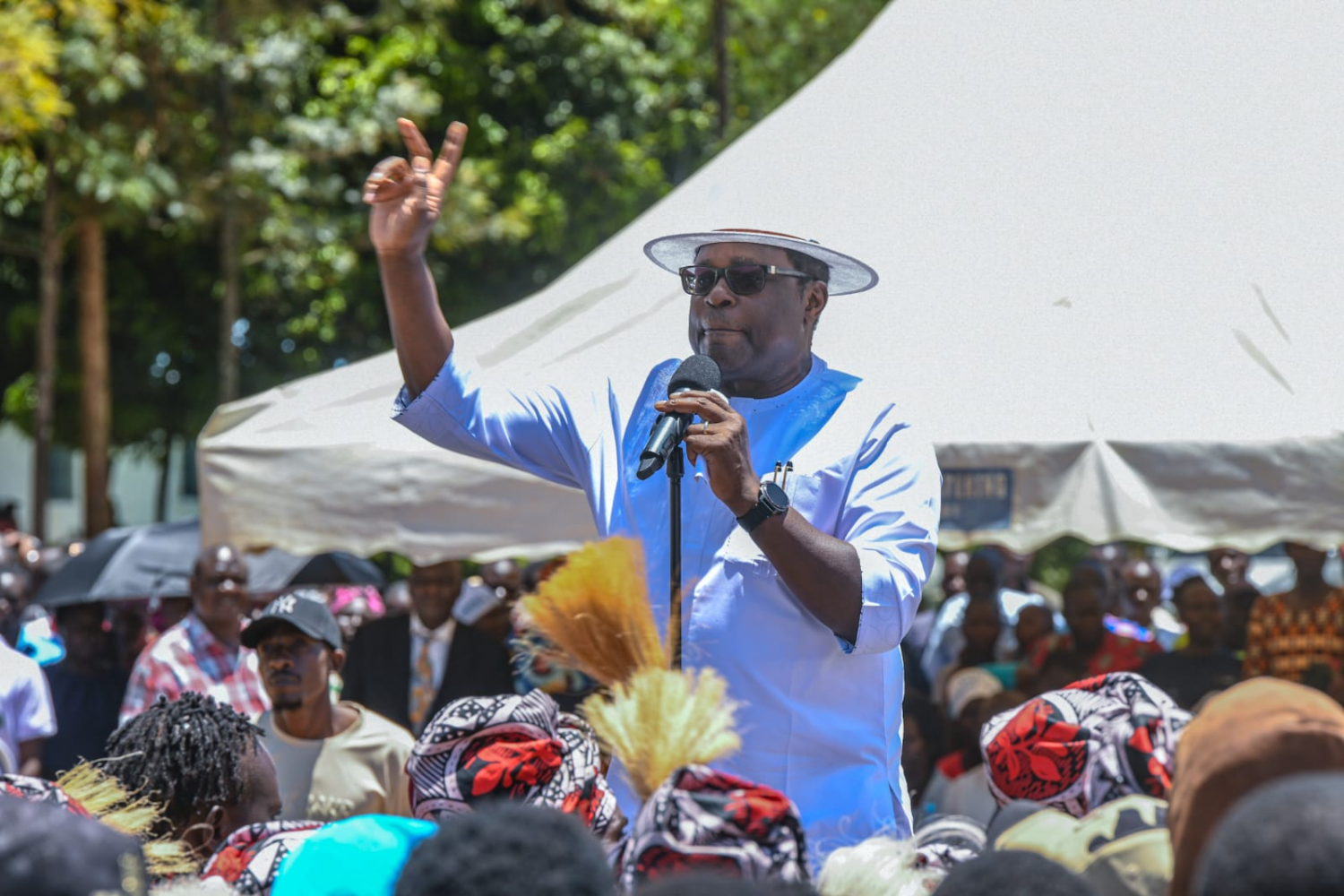
Bishop Wasonga said residents were suffering because county hospitals were not operating at full capacity following the industrial action by nurses.
He urged the county government and healthcare workers to agree on a return-to-work formula, saying the dispute could be resolved if both sides negotiated in good faith.
“The county government should listen to healthcare workers, sit with them and find ways of agreeing on a back-to-work formula so that the people may not continue to suffer,” Bishop Wasonga said.
He was speaking in Central Gem Ward, Siaya County, where the Bishop Wasonga Foundation conducted a free medical camp supported by the Christian Health Association of Kenya (CHAK), the Mission for Essential Drugs and Supplies (MEDS) and other organizations, came at a time that county health facilities operate below capacity because of the strike.
The camp offered residents medical screening and treatment, including antenatal care, family planning, cervical cancer screening and immunisation.
Bishop Wasonga said healthcare workers needed to be supported because health was a devolved function whose purpose was to bring services closer to the people.
“The welfare of health workers needs to be prioritised. They need to be cared for and supported,” he said.
Treza Anyango, the Gem Sub-County public health nurse, said the nurses’ strike had disrupted services in most government health facilities in the area.
She said pregnant women, newborns and children were among those most affected by the disruption because they were unable to access essential services, including antenatal care and immunisation.
Anyango said the medical camp had been organised to bring services closer to residents and support the county health department during the industrial action.
She said the county’s maternal mortality rate remained high at about 450 deaths per 100,000 live births, compared with the national rate of approximately 355 deaths per 100,000 live births.
The health worker added that neonatal mortality stood at about 25 deaths per 1,000 live births.
Dr Brian Sagero, a medical officer at Africa Inuka Hospital, said nearly 1,000 residents had been screened during the camp.
He said the exercise helped identify patients with serious conditions, including hypertension, heart disease, liver failure and chronic kidney disease.
Some patients were stabilised and given medication, while others with surgical conditions were referred for further treatment, he said.
Dr Sagero urged residents to seek regular medical check-ups, warning that some diseases could remain undetected until they became life-threatening.
Ephy Omondi and Jennifer Akinyi , some of the patients, praised the medical team for providing what they described as quality treatment.
They said the doctors and nurses treated patients well and that they were pleased to have received the care they needed.