
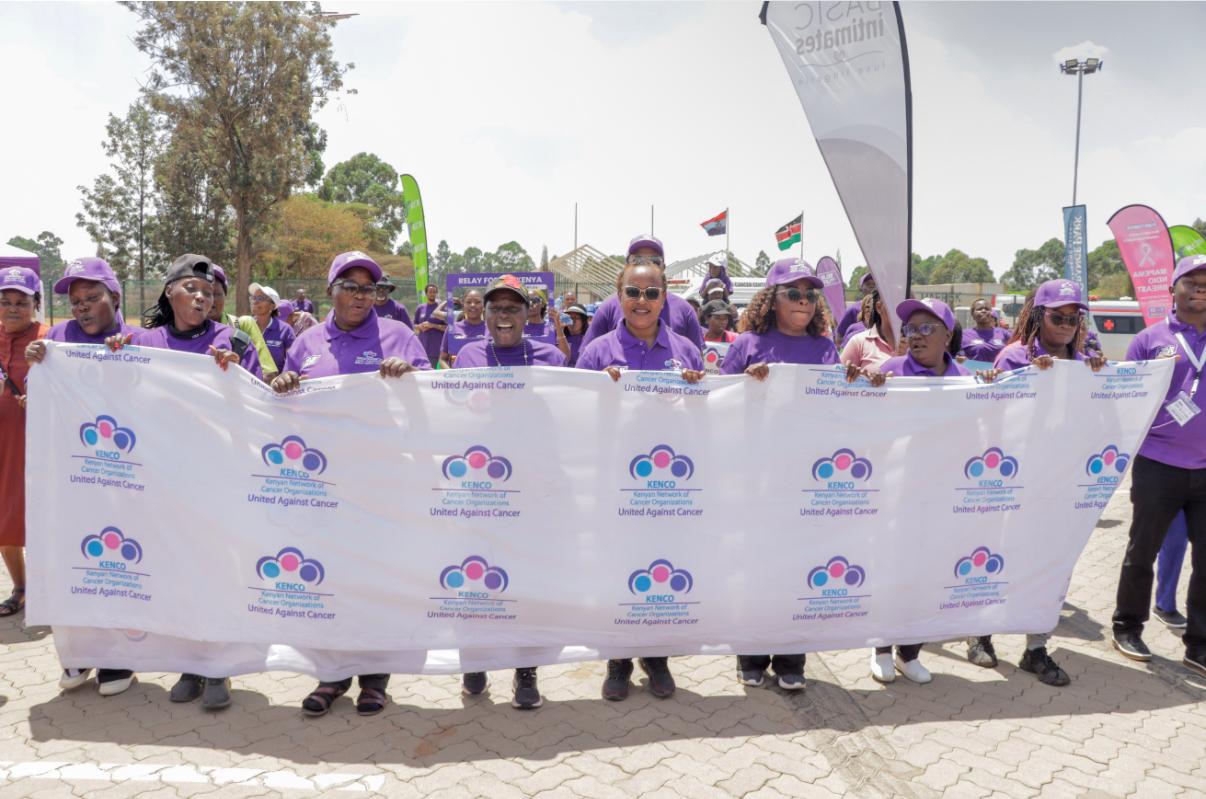
Cancer patients across Kenya are facing interruptions in treatment, rising medical expenses and delays in accessing essential drugs following changes in the Social Health Authority (SHA) approval and pricing arrangements, the Kenyan Network of Cancer Organizations (KENCO) has warned.
The organization says patients seeking cancer treatment in both public and private hospitals are being turned away, forced to pay out of pocket for services covered by SHA or in some cases, switch medication because of reductions in approved drug limits.
Speaking to the press on Thursday, KENCO Advocacy Sub-committee Chairperson Prisca Githuka said the new arrangements had created uncertainty among cancer patients, particularly those already undergoing treatment.
Githuka said although KENCO welcomed the government’s decision to increase the oncology benefit by more than 40 per cent, the improvements would mean little if patients could not access treatment when they needed it.
“A benefit that cannot be accessed on the day of treatment is no benefit at all. Cancer patients are going days without treatment, being turned away from health facilities and paying out of pocket for care that SHA is supposed to cover,” she said.
She noted that the challenges had emerged following recent changes in approval procedures and pricing of cancer treatment, with complaints reported in several counties.
KENCO states that the revised arrangements were introduced without adequate preparation or transitional safeguards, exposing patients already receiving chemotherapy, hormonal therapy and other specialized cancer treatments to unnecessary interruptions.
Githuka said patients should not be forced to change medication or interrupt prescribed treatment because of administrative changes.
“For patients already undergoing treatment, any interruption arising from new approval requirements or pricing discrepancies poses a direct clinical risk and cannot be treated as a mere administrative inconvenience,” she said.
The concerns come despite SHA maintaining that the oncology benefit remains at Sh800,000, comprising Sh400,000 under the Social Health Insurance Fund (SHIF) and another Sh400,000 under the Emergency, Chronic and Critical Illness Fund (ECCIF).
KENCO said the changes were intended to standardize treatment costs, align services with national cancer treatment guidelines and prevent patients from exhausting their benefits prematurely.
However, the organization maintained that the implementation had created barriers that were undermining access to essential services.
Among the concerns raised are sudden reductions in approved drug limits, increased treatment costs, exclusion of specialized diagnostic tests and scans, and delays in digital authorisation.
One breast cancer patient reportedly said SHA had reduced the approved limit for a particular drug, forcing her to switch medication after completing six cycles of treatment.
The organization also raised concerns over discrepancies between approved amounts, prices reflected on the SHA portal and actual costs charged by health facilities.
The organization also expressed concern over the reported failure of the SHA digital authorisation system in several health facilities, warning that patients were being forced to make private payments or postpone treatment when the platform was unavailable.
KENCO said the rule inconvenienced patients whose prescribed medication could not be fully supplied at one hospital, forcing them to wait until the following day to obtain the remaining drugs from another facility.
Githuka called on the Ministry of Health and SHA to introduce urgent measures to ensure patients already undergoing treatment were protected from the effects of the new arrangements.
She proposed that the previous and revised systems operate concurrently until the new procedures are fully stabilized, adding that patients should be allowed to access medication from a second facility on the same day where the first hospital could not meet their prescriptions.
KENCO also wants SHA to establish clear timelines for approving cancer treatment, including same-day authorisation for urgent cases and an escalation mechanism for delayed applications.
Githuka said cancer patient organisations should also be involved in decisions affecting the financing and delivery of cancer care.