

- More than 3 million Nairobi residents enrolled under SHA as County strengthens hospital financing, primary healthcare, maternal services and digital systems to improve access to quality care.
Nairobi’s healthcare system is recording significant gains in health financing, primary healthcare, maternal and newborn services, emergency response and digital innovation, with revenue generated by county health facilities tripling from Sh800 million to Sh2.6 billion as Governor Sakaja Johnson’s administration intensifies efforts to expand access to quality healthcare.
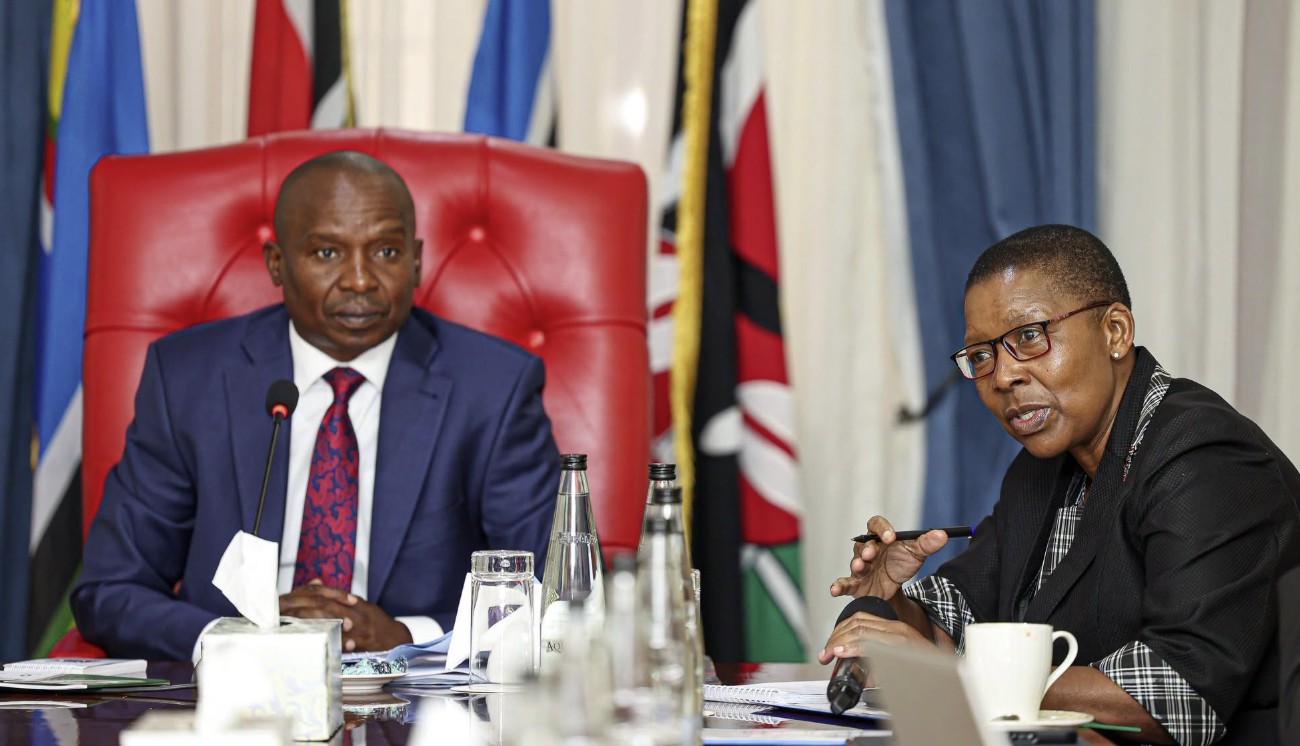
Speaking at the Third Annual Nairobi Health Scientific Conference, Governor Sakaja said the County had made significant strides in strengthening health facilities, expanding healthcare services closer to communities and investing in systems that enable hospitals to deliver better, more efficient and sustainable healthcare.
The conference, held under the theme “One Health in Action: Building Resilient, Climate-Smart and Equitable Health Systems for Universal Health Coverage,” brings together healthcare professionals, researchers, policymakers and development partners to discuss emerging health challenges and explore solutions for strengthening urban healthcare systems.
The County is targeting Sh4 billion in health facility revenue in the current financial year, with Sakaja attributing the growth to reforms under the Social Health Authority (SHA), Facility Improvement Financing, improved claims management and enhanced accountability at facility level.
He said the additional resources are enabling facilities to improve access to medicines, strengthen diagnostic services, maintain equipment, support outreach programmes and enhance overall service delivery.
“We have registered three million people in Nairobi under the Social Health Authority (SHA), representing more than 60 per cent of the city’s population. SHA has been working well in Nairobi, enabling us to serve more residents through the reimbursement of claims for services provided,” Sakaja said.
“A public hospital exists to serve the people, not to make profits. Through SHA, we have strengthened our ability to deliver healthcare services while receiving reimbursements for the care we provide. When we came into office, our county health facilities were generating approximately Sh800 million annually. These resources help us procure medicines, support healthcare workers and improve our facilities to ensure better service delivery to Nairobi residents,” he added.
Health Cabinet Secretary Aden Duale commended Nairobi City County for investing in healthcare infrastructure, particularly the Nairobi County Cancer Centre, which he described as the first public cancer centre of its kind in the city.
He also praised Nairobi for having the highest number of Community Health Workers nationally and for being the only county paying them stipends, describing the investment as a demonstration of the county’s commitment to strengthening Primary Health Care.
“Nairobi has made remarkable strides in healthcare. The county has established several facilities, including the Nairobi County Cancer Centre, the first public cancer centre of its kind in the city. Nairobi also has the highest number of Community Health Workers in the country and is the only county paying them stipends. Of the 33 million Kenyans registered under SHA, 3 million are from Nairobi, representing about 69 per cent of the county’s population. This is commendable and demonstrates Nairobi’s commitment to Primary Health Care,” Duale said.
The impact of the reforms is reflected in individual facilities. Riruta Health Centre, which previously generated approximately Sh100,000 annually, now records about Sh6 million in monthly revenue.
Westlands Health Centre has similarly increased its monthly revenue from approximately Sh200,000 to Sh6 million, while Pangani Health Centre is now generating about Sh1 million monthly.
Sakaja, however, cautioned that the reforms are not intended to commercialise public hospitals but to ensure facilities have the resources needed to improve patient care and remain responsive to the needs of residents.
The Governor said Nairobi has also invested heavily in primary healthcare as part of efforts to prevent illnesses, detect diseases early and reduce pressure on referral hospitals.
The County has established 782 Community Health Units supported by 7,820 Community Health Promoters, who conduct household visits, support expectant mothers, promote immunisation, identify vulnerable children, undertake disease surveillance and link families to healthcare services.
Sakaja said the County is also strengthening digital community health systems to improve household-level data collection and referrals while introducing innovative diagnostic approaches, including AI-assisted digital X-ray screening for tuberculosis.
Health, Wellness and Nutrition CEC Suzanne Silantoi said the County had made significant progress in transitioning its healthcare facilities to the SHA system, enabling facilities to submit claims and receive reimbursements for services provided to residents.
“Nairobi has made significant progress in the health sector. The transition to the Social Health Authority has enabled us to migrate our facilities onto the SHA system, allowing them to access improved services, submit claims and receive reimbursements for healthcare services provided to residents,” Silantoi said.
She added that 99 per cent of County health facilities had been digitised and integrated into the system, a milestone she said was strengthening efficiency, accountability and service delivery.
Chief Officer for Medical Services Maryam Dahir said Nairobi had also strengthened its primary healthcare and emergency response systems, with residents able to access emergency assistance through the 1508 hotline.
“We have made significant progress in primary healthcare since the inaugural Nairobi Health Scientific Conference. Our emergency response system has also improved, with residents able to access emergency assistance through the 1508 hotline,” Dahir said.
She said the conference provides an opportunity for stakeholders to develop practical solutions to healthcare challenges, adding that the ultimate measure of success would be improvements in service delivery.
“As we convene this conference once again, our focus is on bringing stakeholders together to develop practical solutions to the challenges facing our healthcare system. Ultimately, we will be judged not by the discussions we hold, but by the improvements we deliver in service to the people of Nairobi,” she added.
The three-day conference is expected to bring together healthcare professionals, researchers, policymakers and development partners to explore innovative approaches to strengthening Nairobi’s healthcare system and advancing Universal Health Coverage.