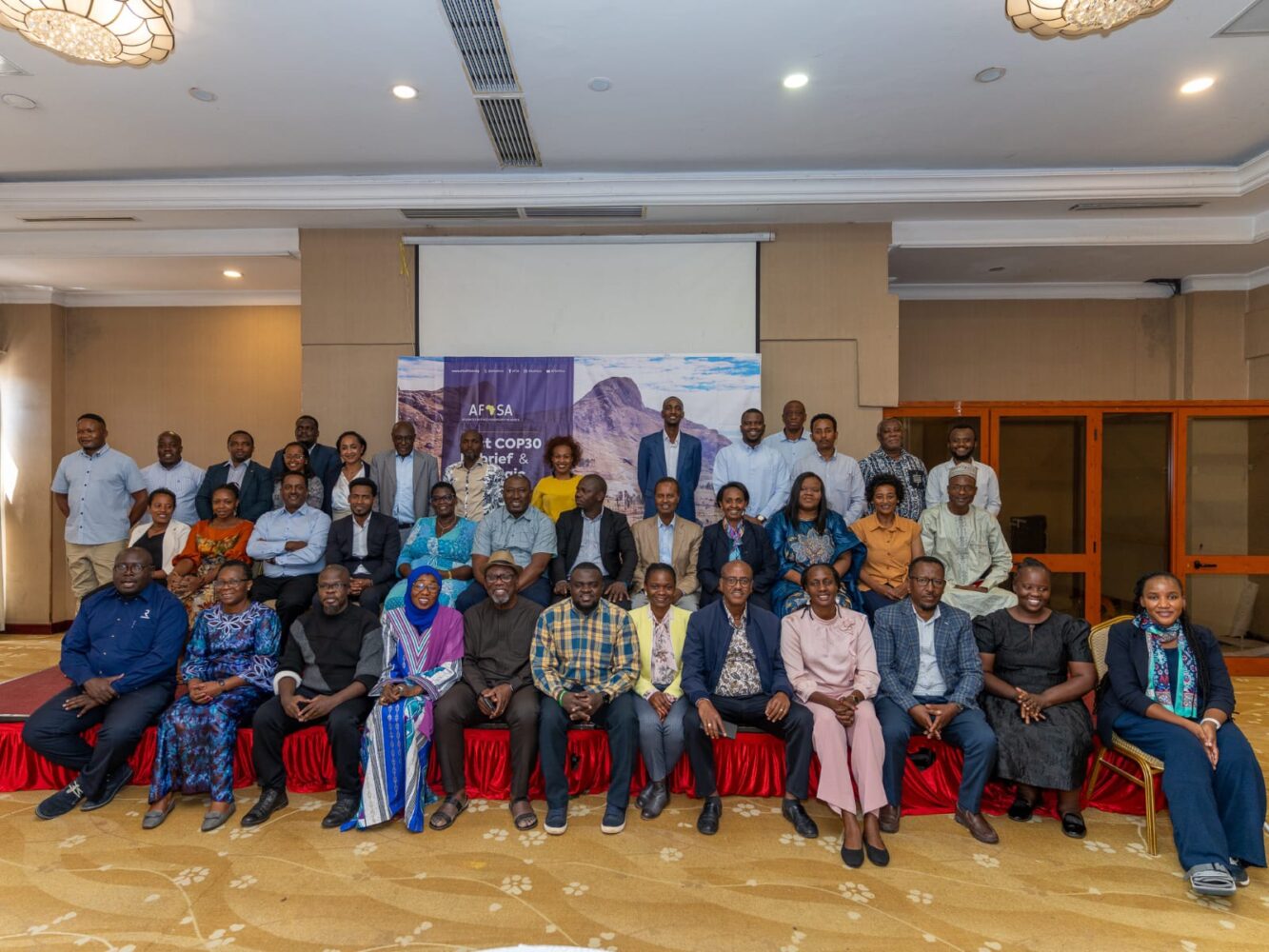

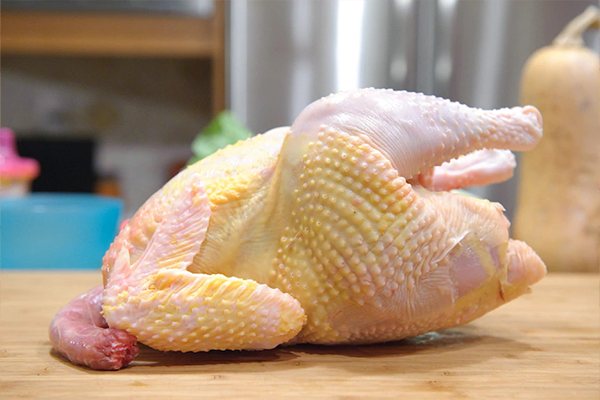
The Kenya Veterinary Association (KVA) has raised concerns over bacterial contamination and growing antimicrobial resistance in raw chicken meat sold through some non-supermarket retail outlets in Nairobi County, warning that unsafe handling, poor hygiene and inadequate storage conditions could expose consumers to significant public health risks.
A study conducted by the KVA Technical Working Group on Processing, Food Security and Safety, and Quality Assurance found that a vast majority of sampled chicken meat contained Escherichia coli (E. coli), slightly over a third tested positive for Staphylococcus aureus and almost 10% for Salmonella species.
The findings, based on an assessment of 264 chicken meat retail establishments across Nairobi County, highlight weaknesses in food safety management within sections of the poultry retail market, particularly in hygiene practices, refrigeration, meat handling and regulatory compliance.
Of greater concern is the detection of antimicrobial-resistant bacteria, which could make infections more difficult to treat and increase pressure on healthcare systems.
According to the research, approximately a half of the E. coli isolates were multidrug-resistant, meaning they showed resistance to three or more classes of antibiotics. Similarly, over a quarter of Staphylococcus aureus isolates demonstrated multidrug resistance.
Resistance among E. coli isolates was particularly high against cotrimoxazole, with about 2/3 of the samples , and ampicillin, with about a half . Resistance to ciprofloxacin and streptomycin was also recorded.
Dr Kelvin Osore, National President of the Kenya Veterinary Association, said the findings underscore the urgent need to strengthen food safety standards across the poultry value chain, from production and slaughter to transportation, storage and retail.
He emphasised that protecting consumers requires coordinated action by government agencies, veterinary professionals, poultry businesses and retailers, noting that food safety cannot be achieved through isolated interventions.
The study identified several weaknesses in retail handling practices that increase the risk of bacterial contamination.
Wooden chopping boards were used in almost all the establishments surveyed, almost 75% of the establishments lacked handwashing facilities. Additionally, over half of the outlets stored chicken meat at room temperature, raising concerns about the maintenance of appropriate temperatures throughout the distribution and retail process.
The research also found that almost half of attendants either lacked separate protective clothing or wore visibly soiled garments.
Shared cutting surfaces and inadequate cleaning of equipment were identified as additional sources of cross-contamination. Chicken handled on shared surfaces had more than three times the odds of E. coli contamination compared with meat handled on separate surfaces.
Similarly, the use of wooden chopping boards was associated with more than three times higher chance of Staphylococcus aureus contamination than non-wooden alternatives.
To address the concerns raised by this study, KVA calls for action by:
Call for Action by KVA
- Regulatory agencies to;
- Operationalization the food safety coordination act
- implement antimicrobial stewardship programs in poultry production,
- conduct routine microbial surveillance and antimicrobial susceptibility testing to monitor resistance trends
- Carry our risk-based inspections and compliance monitoring.
Food business operators are advised to;
- establish and enforce cold-chain standards, including chilled transportation through continuous refrigeration from slaughter to retail,
- improve hygienic practices in the premises,
- apply proper hygienic practices.
County Governments
- Develop county specific food safety policies
- Engage multi-stakeholder, multisectoral collaboration in food safety
- Build capacity of food inspections and extension Services
Consumers
- Demand safe food
- Practice safe food handling practices at home
Media is responsible for information sharing and risk communications