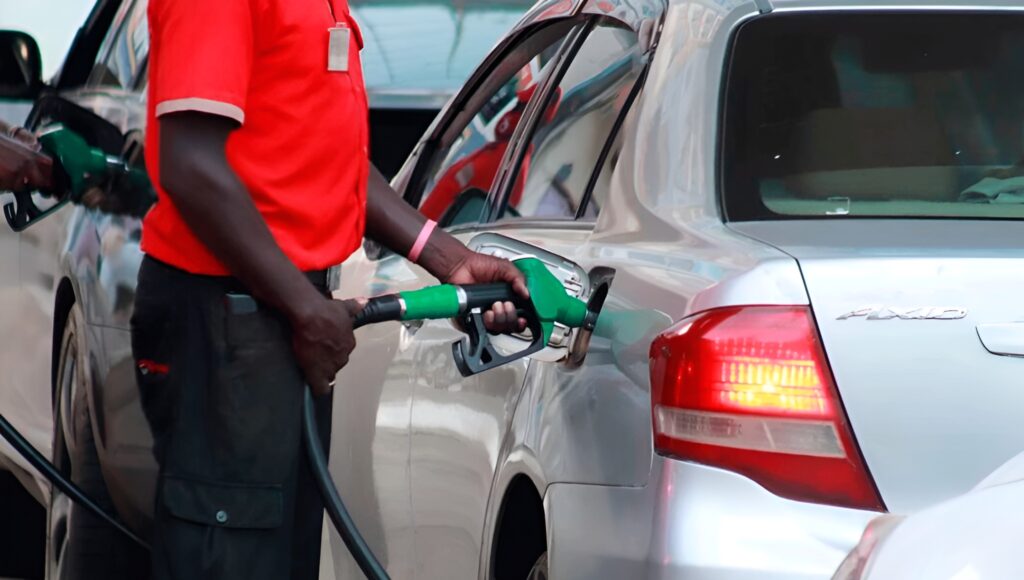
The Energy and Petroleum Regulatory Authority (EPRA) has maintained fuel prices for the November 15 to December 14, 2026 pricing cycle, cushioning motorists and households from higher pump prices despite an increase in international petroleum costs.
In its latest monthly review released on Saturday, November 14, the regulator announced that Super Petrol, Diesel and Kerosene prices would remain unchanged for the next 30 days.
In Nairobi, a litre of Super Petrol will retail at KSh226.96, Diesel at KSh227.76 and Kerosene at KSh219.87.
EPRA attributed the decision partly to a government intervention through the Petroleum Development Levy Fund, which was used to absorb the increase in the cost of imported petroleum products.
According to the regulator, the average landed cost of imported Super Petrol increased by 6.11 per cent, from US$977.55 to US$1,037.30 per cubic metre between September and October 2026.
Diesel recorded a 6.73 per cent increase, rising from US$1,065.38 to US$1,137.09 per cubic metre, while Kerosene costs increased by 0.71 per cent, from US$1,098.31 to US$1,106.11.
The government applied KSh4.6 billion from the Petroleum Development Levy Fund to stabilise pump prices and protect consumers from the higher import costs.
EPRA estimated that without the intervention, Super Petrol would have increased by KSh8.58 per litre, Diesel by KSh10.54 and Kerosene by KSh1.16.
The review comes amid mixed movements in international oil markets, with global crude prices recently experiencing a decline following easing concerns over a wider military escalation in the Middle East.
However, the decline in crude prices has not translated into lower landed costs for refined petroleum products during the period under review.
Kenya imports its petroleum requirements in refined form, with international market prices and the prevailing dollar-to-shilling exchange rate influencing local pump prices.