
African government officials, development partners and youth advocates have called for increased and sustainable investment in girls’ education, warning that millions of adolescent girls across the continent remain at risk of dropping out of school.
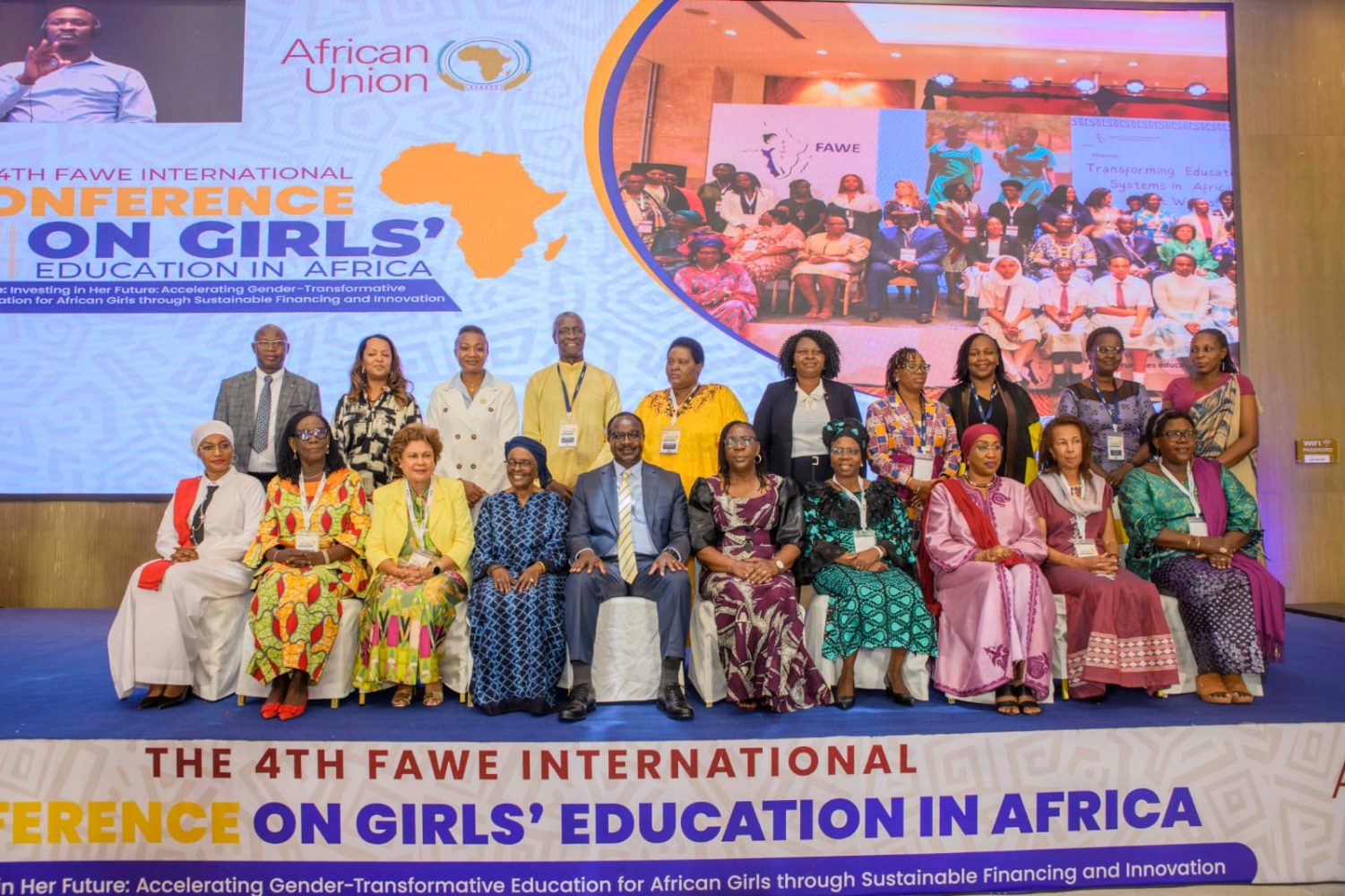
The call was made during the 4th Forum for African Women Educationalists (FAWE) International Conference on Girls’ Education in Africa, held in Nairobi under the theme “Investing in Her Future”.
The conference brought together education stakeholders to discuss sustainable financing and innovative approaches to addressing barriers that prevent girls from accessing and completing their education.
A joint study by FAWE and UNESCO’s Global Education Monitoring (GEM) Report highlighted progress in narrowing the gender gap in education, including the achievement of gender parity at primary school level in 2021.
The proportion of girls out of school also declined from 47 per cent in 2000 to 28 per cent in 2024.
However, keeping girls in secondary school remains a challenge, with poverty, teenage pregnancy, child marriage and limited access to digital resources continuing to affect their education.
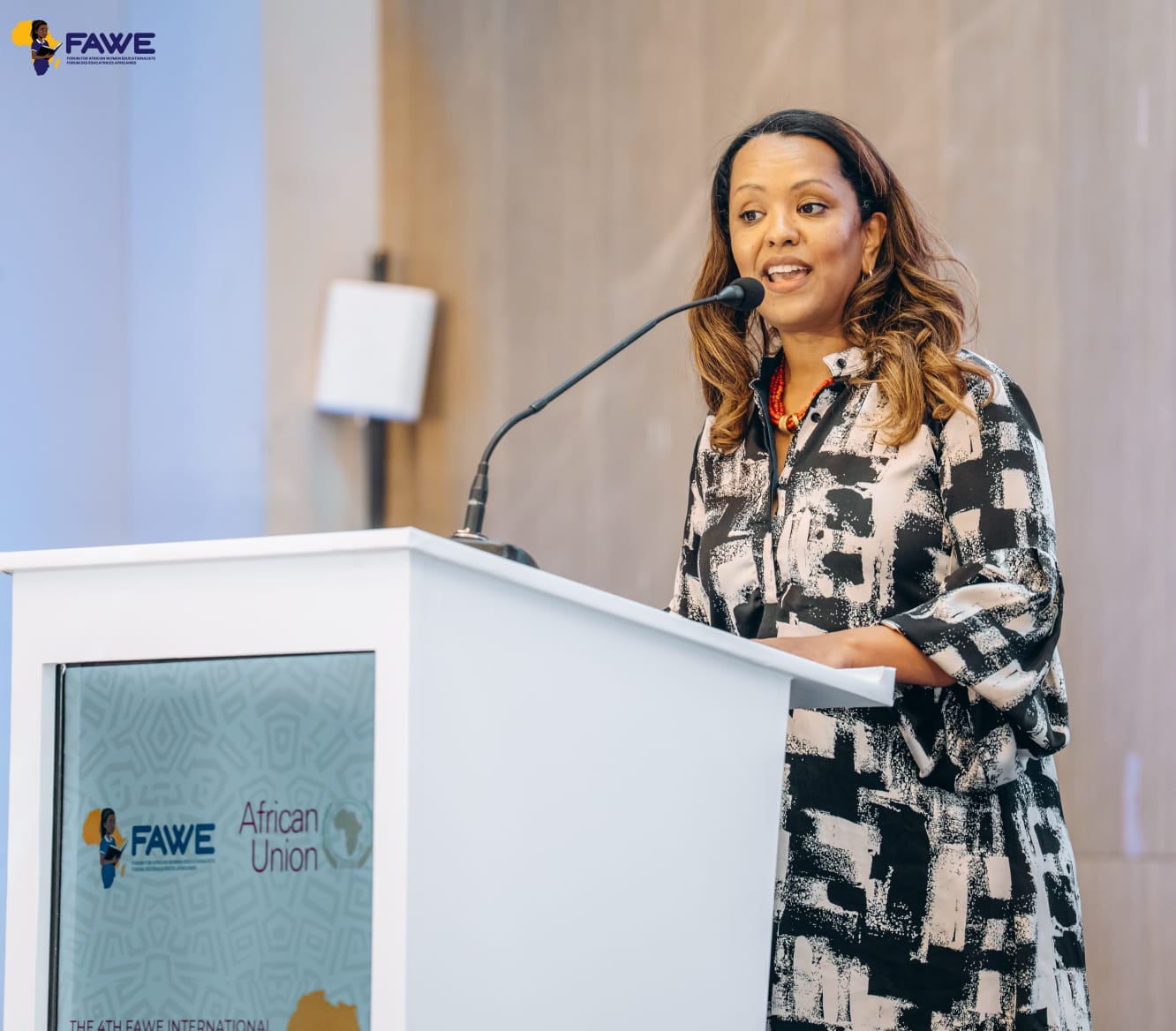
Ghana’s Vice President, Prof. Naana Jane Opoku-Agyemang, urged African governments to ensure national education budgets address the actual challenges facing learners.
“We must ask more of our national budgets and ensure that investments are directed towards addressing these barriers and delivering measurable results,” she said.
Kenya also introduced the Gender Framework for the Continental Education Strategy for Africa, with Education Cabinet Secretary Julius Migos Ogamba emphasising the importance of investing in girls’ education as part of the continent’s long-term development agenda.
“Kenya affirms that girls’ education is not a social sector expenditure. It is a strategic human capital investment,” Ogamba said.
Mastercard Foundation Kenya Country Director Hannah Tsadik said efforts to support girls should extend beyond access to classrooms to include safe learning environments, mentorship and opportunities that prepare them for economic participation.
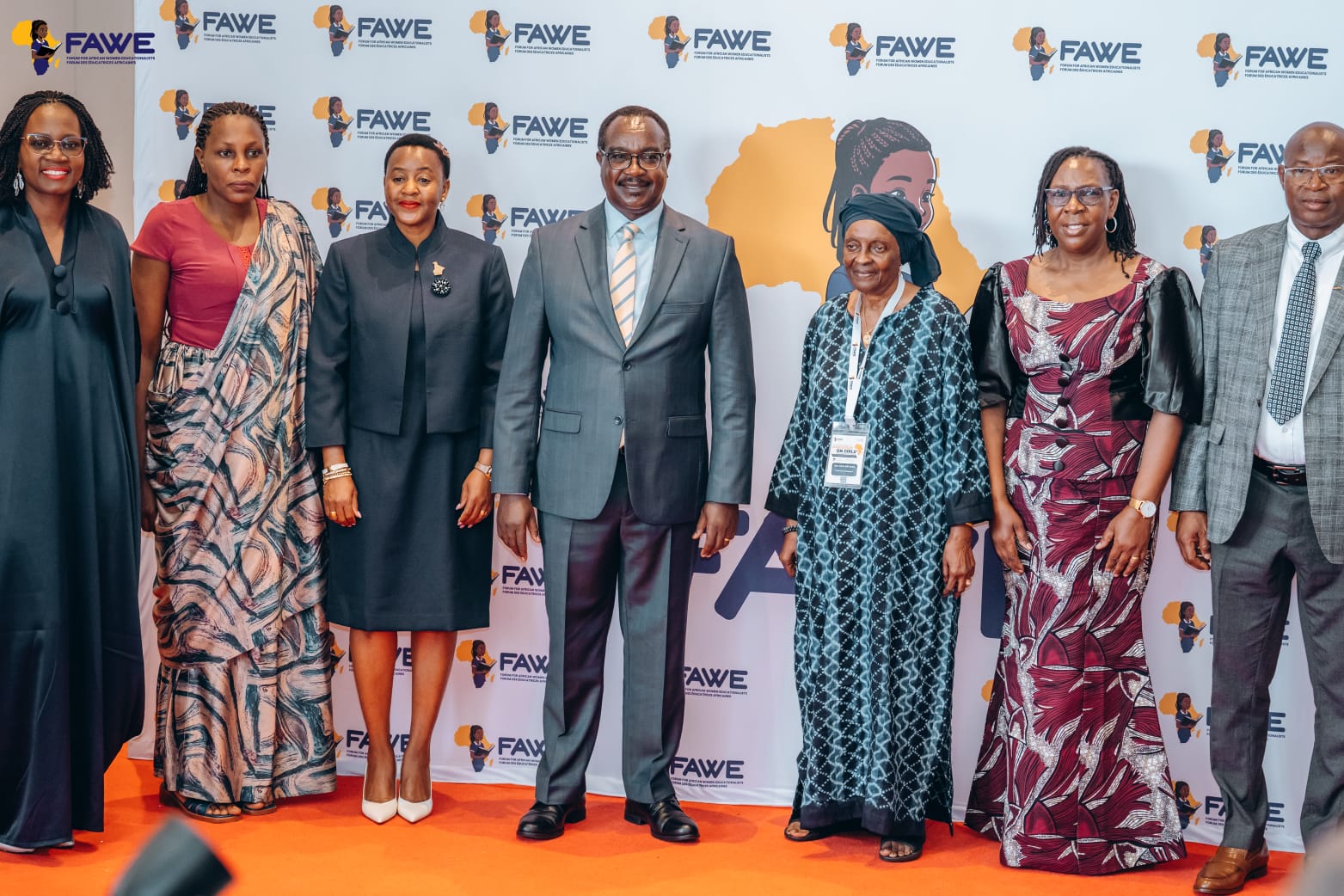
FAWE Africa, which has been headquartered in Nairobi since 1992, has supported more than 46,000 disadvantaged students across 33 countries through initiatives such as Tuseme, a programme whose name means “Speak Out”.
The organisation’s Executive Director, Dr. Martha Muhwezi, stressed the importance of involving young people in shaping education policies and reforms that directly affect them.
She called for greater recognition of young people’s experiences and perspectives in developing interventions aimed at improving access to education and keeping girls in school.
The conference is expected to conclude with a Joint Communiqué and Call to Action outlining commitments and measurable benchmarks to guide efforts towards achieving the 2030 global education targets.