
Health researchers are preparing to expand vaccine research in the Democratic Republic of Congo (DRC) as the country battles an Ebola outbreak that has killed thousands of people, with children bearing a significant share of the deaths.
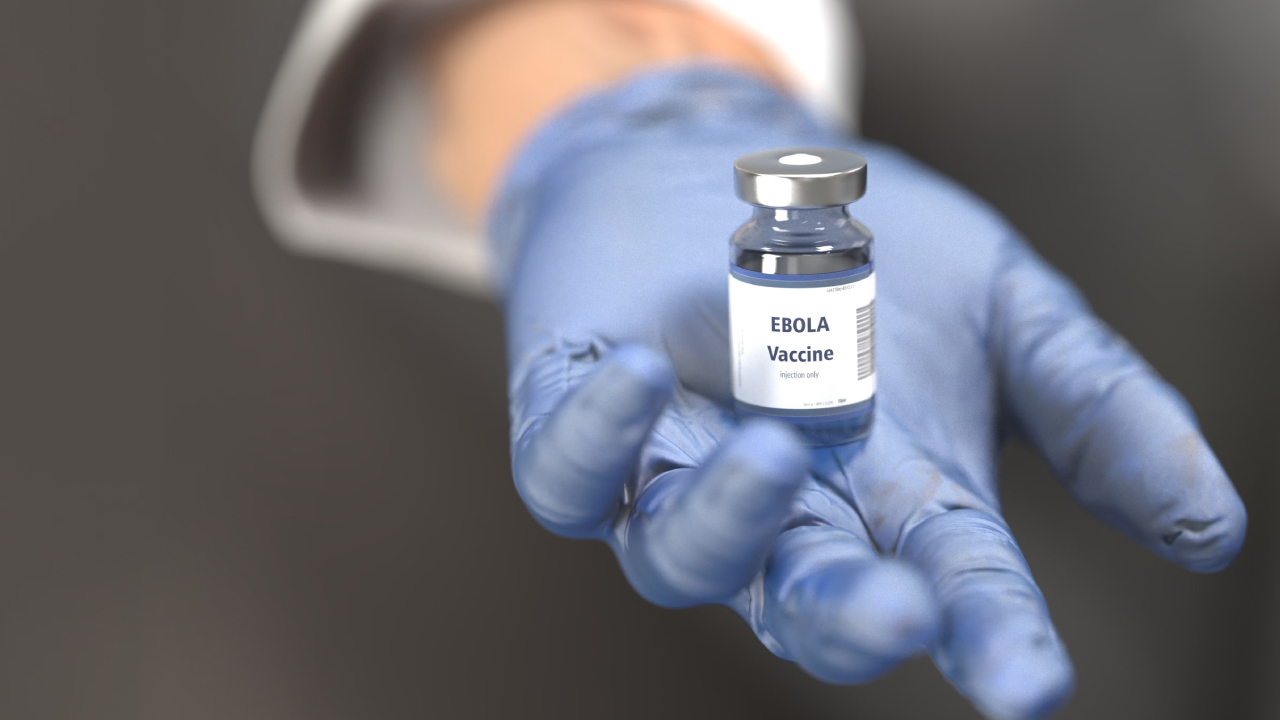
The World Health Organization (WHO) says two experimental vaccines designed to fight the Bundibugyo strain will be introduced into an ongoing clinical research programme in the country’s northeastern region.
The trials are expected to begin on November 26 or 27 in Bunia, the capital of Ituri Province, where the outbreak is concentrated.
The announcement was made by WHO Director-General Tedros Adhanom Ghebreyesus during a briefing in Geneva on Tuesday, November 17.
He said the research would provide an opportunity to assess whether the two candidates could offer protection against a strain that currently has no approved vaccine or specific treatment.
The vaccines will be tested alongside Ervebo, an existing vaccine approved for the Zaire strain of Ebola, which has been part of the Tumaini research programme since October 23.
The two new candidates have different technological approaches. One, known as ChAdOx1, was developed by the University of Oxford using an adenovirus-based platform. The second, mRNA-1469, comes from US pharmaceutical company Moderna and uses messenger RNA technology, similar to the platform that gained prominence during the COVID-19 pandemic.
Meg Doherty, who heads the WHO’s Science for Health Department, said the initial phase of the new trials would focus on establishing the safety of the vaccines and whether they generate an adequate immune response.
The research programme employs a ring vaccination strategy, targeting people who have had contact with confirmed Ebola patients and others considered particularly vulnerable to infection.
More than 140 participants have already enrolled in the wider study, with thousands of additional contacts expected to be included as the programme progresses.
The candidates have previously undergone Phase 1 testing, which examines their safety in smaller groups. Successful results from the upcoming Phase 2 trials could pave the way for larger Phase 3 studies to establish how effectively they prevent infection.
The scale of the outbreak has heightened the urgency of the research. WHO figures indicate that the DRC has recorded 11,376 Ebola cases and 5,568 deaths, making it the country’s worst outbreak of the disease.
Tedros said the country was still recording between 400 and 500 new cases every week, while a significant proportion of fatalities were occurring outside specialised treatment facilities.
Children have been among the most affected, accounting for more than 25 per cent of confirmed infections and approximately one-third of deaths.
“Children are paying a terrible price,” Tedros said, calling attention to the impact of the outbreak on younger populations.
Ebola is transmitted through direct contact with the bodily fluids of infected people or contaminated materials. The disease can cause severe illness, including haemorrhagic fever, and has killed more than 15,000 people across Africa over the past 50 years.
The planned vaccine trials mark another effort to address the Bundibugyo strain, which has remained particularly challenging because of the absence of an approved vaccine.
The WHO says the research will initially be conducted in Bunia before being extended to other locations, depending on progress and the results obtained.