

The County Government of Kirinyaga has called on residents to embrace regular diabetes screening, healthy eating and physical exercise to prevent and manage the growing burden of non-communicable disease.
The calls were as the county joined the rest of the world in commemorating World Diabetes Day 2026, with health officials raising concern over the increasing number of residents living with diabetes and urging those yet to be screened to visit health facilities.
Data held by the county department of health indicates that 9,460 residents have been diagnosed and put on treatment for diabetes, out of which number 3,000 also suffer from hypertension.
The high prevalence in the county and Mt. Kenya region has been attributed partly to dietary and lifestyle habits, particularly the consumption of carbohydrate-rich foods.
“Kirinyaga is economically active and among the leading agricultural counties in the country. We produce a lot of rice and maize, which contributes to the widespread consumption of foods such as ugali. Food is not bad, but consuming it in the right quantities is important in managing diabetes,” said, George Karoki, the County Executive Committee Member for Health, urging residents to ensure they had adequate physical exercise to keep lifestyle diseases at bay.
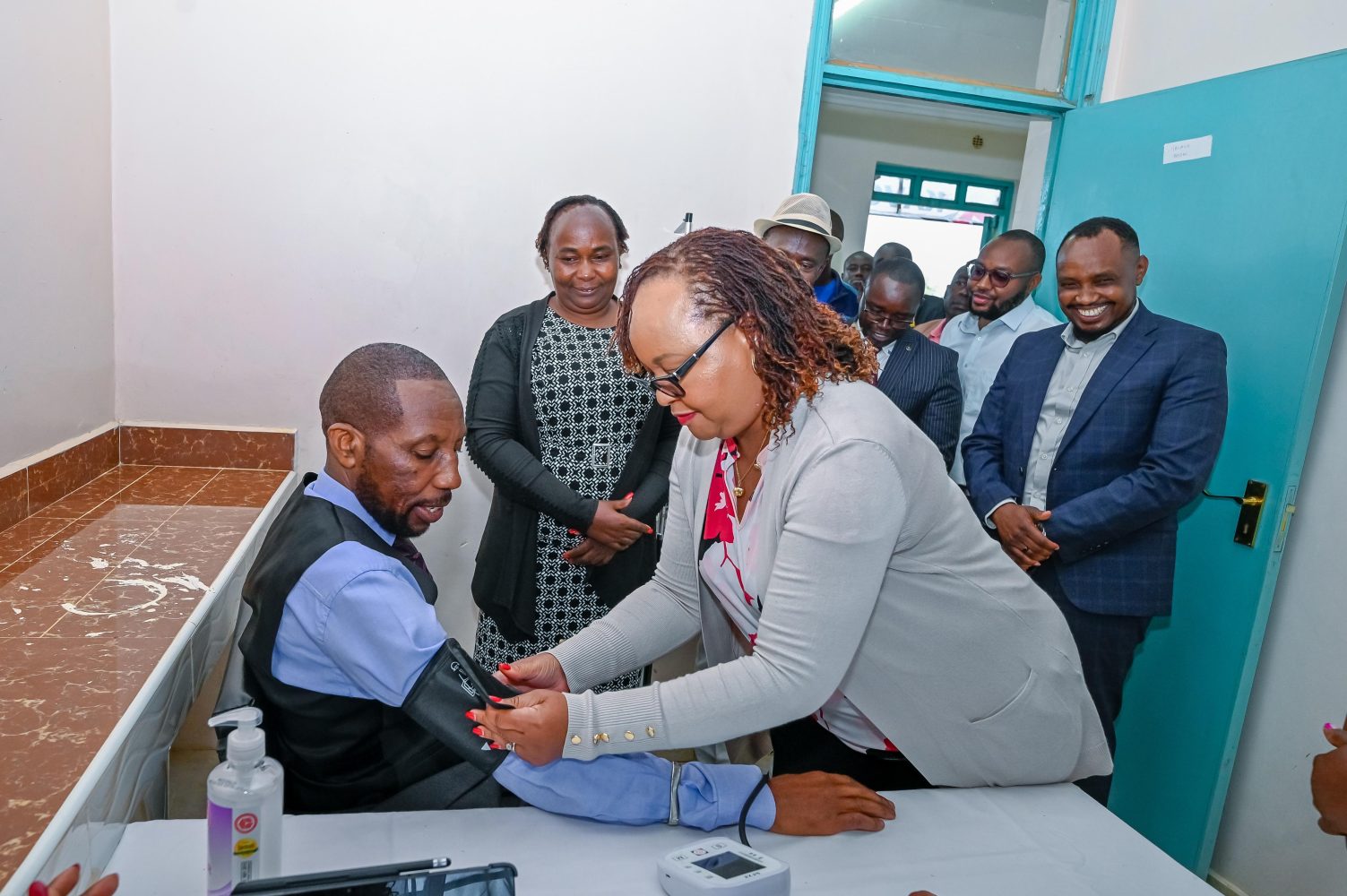
While delivering her State-of-the-County address earlier in the month, Governor Anne Waiguru said her administration was strengthening community-based healthcare to ensure residents receive essential health education, early diagnosis and treatment closer to their homes, particularly for non-communicable diseases (NCDs) such as diabetes and hypertension.
Through the deployment of 1,222 Community Health Promoters (CHPs), she noted that the county had expanded its preventive healthcare network, taking health education, disease prevention and basic healthcare services directly to households.
“The county’s interventions have seen Kirinyaga rank among the top five counties nationally in diabetes and hypertension screening and initiation of care, reflecting its growing focus on early detection and management of NCDs.” Waiguru stated.
The CECM confirmed that the county government had decentralized screening, diagnosis and treatment of NCDs to health facilities across the county, hence residents do not have to travel far distances for such services, calling on everyone to come forward for free screening services.
Among those who shared their experiences living with diabetes was Robert Ireri, County Coordinator of the Kenya Defeat Diabetes Association (KDDA), who disclosed that he had lived with diabetes for 32 years.
“Being diagnosed with diabetes does not mean that you have been handed a death sentence. Through the support of our hospitals and medical personnel at the county, sub-county and community levels, I have been able to manage the condition up to this day,” Ireri said.
He encouraged residents who had not been screened to visit health facilities and establish their status, while urging those diagnosed with the condition to seek treatment and education on how to manage it.
Another diabetes warrior, Simon Wambu, who has lived with the condition for 17 years, said that even though the disease had cost his leg, he has continued managing the ailment and urged the residents to take their health seriously by maintaining proper diets, attending regular medical check-ups, exercising and managing stress.
Wambu also expressed gratitude to Governor Waiguru’s administration and healthcare workers for supporting people living with diabetes, urging them to sustain the interventions.