Nairobi is on the brink of a major mobility upgrade as City Hall rolls out an ambitious plan to ease congestion through smart technology and strategic international partnerships.
In the coming months, the county is expected to replace outdated traffic lights and more than double the number of signalized junctions from the current 25 to 65, a move Governor Johnson Sakaja says will significantly improve traffic flow across the capital.
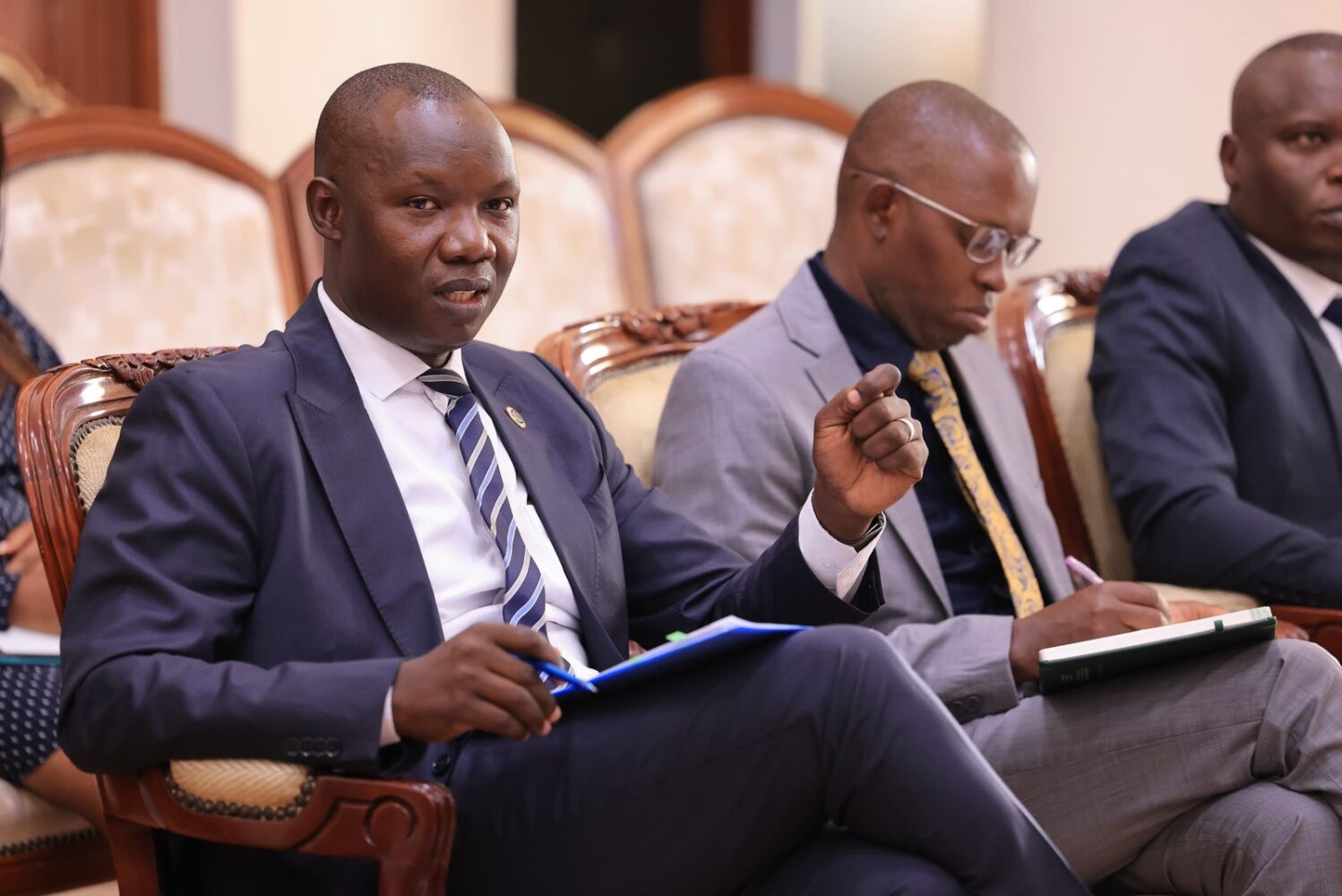
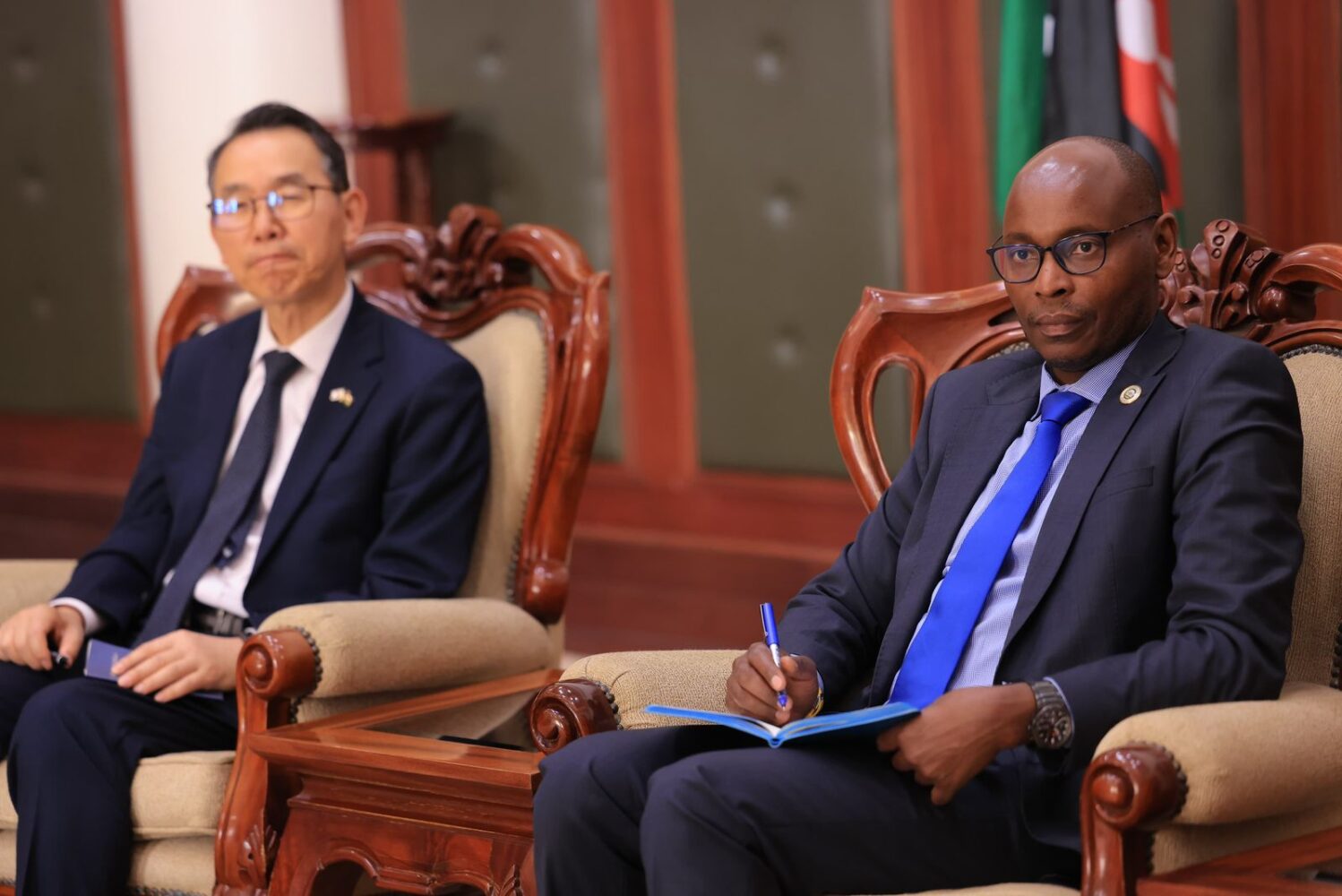
The transformation agenda gained fresh momentum following a courtesy call at City Hall by the Ambassador of the Republic of Korea to Kenya, Kang Hyung-shik, who was received by Finance CEC Charles Kerich and Mobility CEC Ibrahim Auma among others, to review progress of ongoing infrastructure projects.
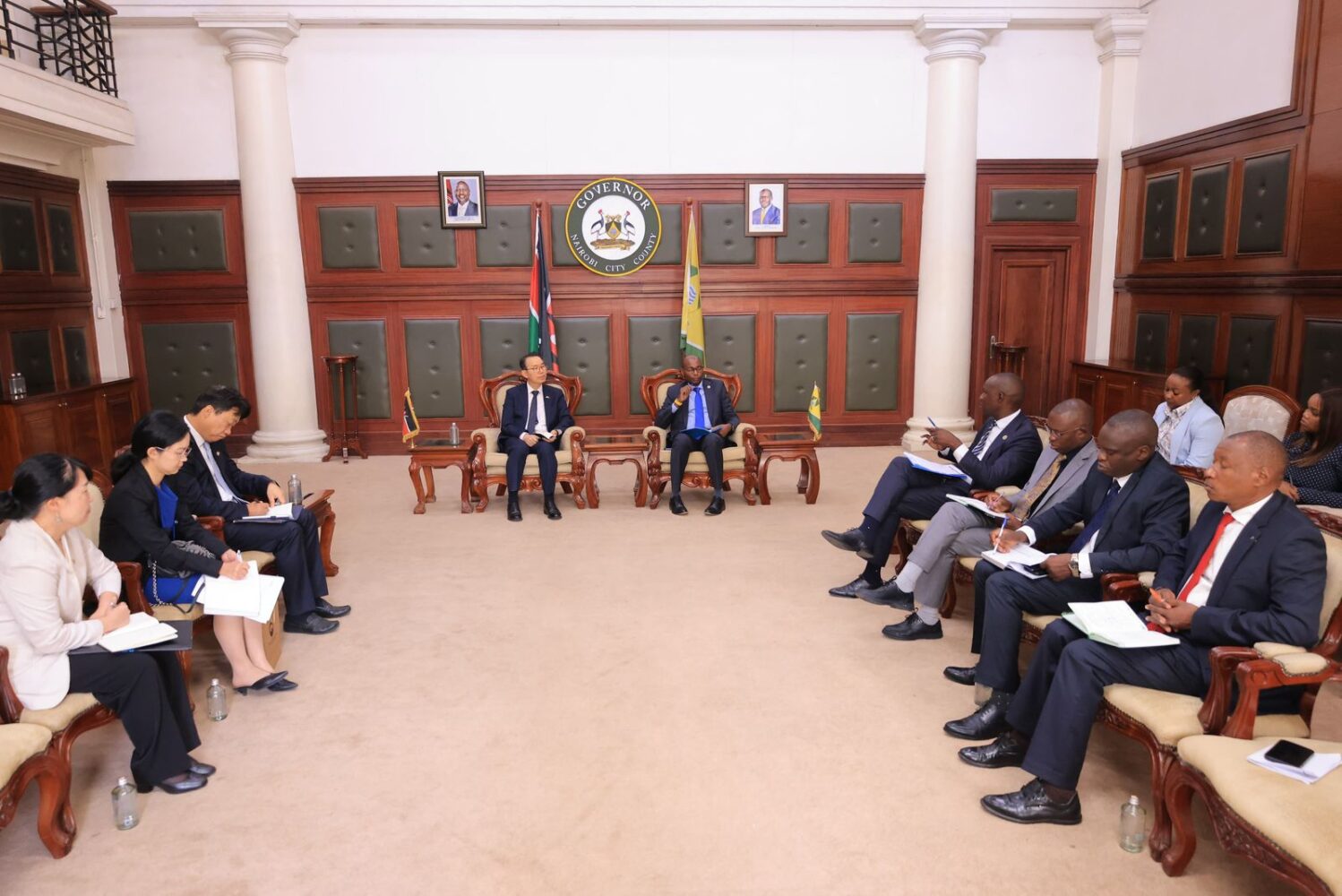
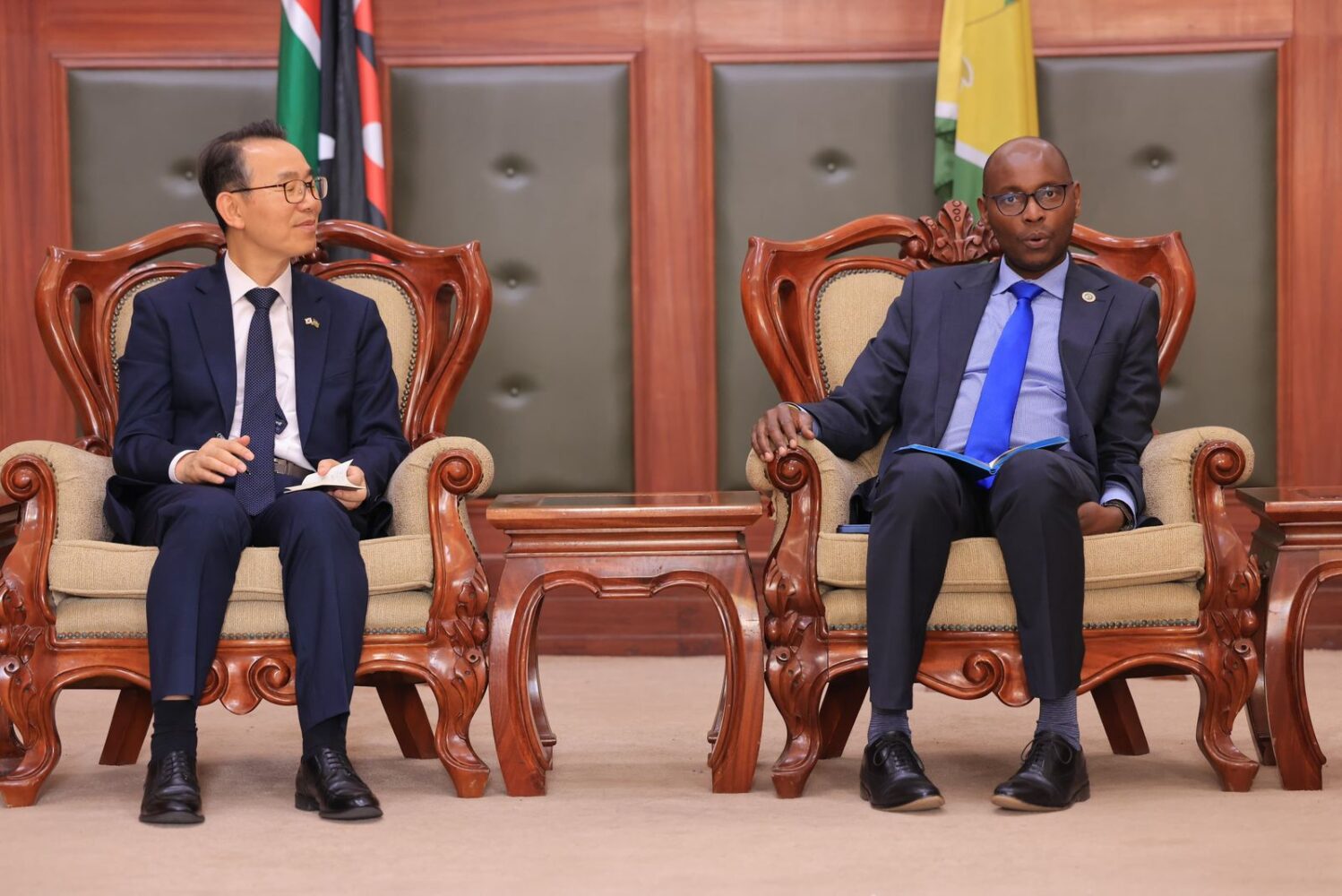
At the centre of the partnership is the construction of a state-of-the-art Traffic Management Centre and Integrated Transport System Headquarters, the nerve centre that will coordinate Nairobi’s transport network using live data and advanced technology. The facility will oversee traffic signal control, data collection, and the introduction of a smart parking management system designed to make parking easier for motorists while improving county revenue collection.
According to Mobility CEC Ibrahim Auma, the new system will shift Nairobi from manual and fragmented traffic control to a proactive, technology-driven model. Emergency vehicles such as ambulances, fire engines and police units will be granted automated “green corridors,” allowing traffic lights to turn green along their routes and potentially saving critical response time.
The system will also support detection of speeding, red-light violations and other dangerous driving patterns, strengthening road safety enforcement.
Beyond smart signals, South Korea is also backing the proposed construction of Bus Rapid Transit (BRT) Line 5, which will link Nairobi’s City Centre to Jomo Kenyatta International Airport. The project is currently at the final approval stage at the National Treasury and is expected to introduce a dedicated high-capacity public transport lane that bypasses heavy traffic.
Construction of BRT corridor will mean faster, more reliable and more affordable travel for residents, airport workers and visitors alike. It is also projected to reduce congestion along major routes such as Mombasa Road, lower daily transport costs, create jobs during both construction and operation, and stimulate tourism and business growth through easier airport access.
The growing cooperation between Nairobi and Seoul builds on a relationship that dates back to 1964, when South Korea opened its first Sub-Saharan diplomatic mission in the Kenyan capital. More than six decades later, Korea is preparing to establish a permanent mission in Nairobi’s Lavington area, a symbolic and strategic step that mirrors the deepening infrastructure collaboration now shaping the city’s transport future.