
Students pursuing International Relations and Diplomacy have been urged to develop independent perspectives on global affairs and critically examine narratives presented by mainstream media, particularly on conflicts and geopolitical tensions.
Iranian Ambassador to Kenya Dr Ali Gholampour said students should not rely solely on dominant international narratives when analysing wars and aggression in Iran, Gaza and other parts of the world.
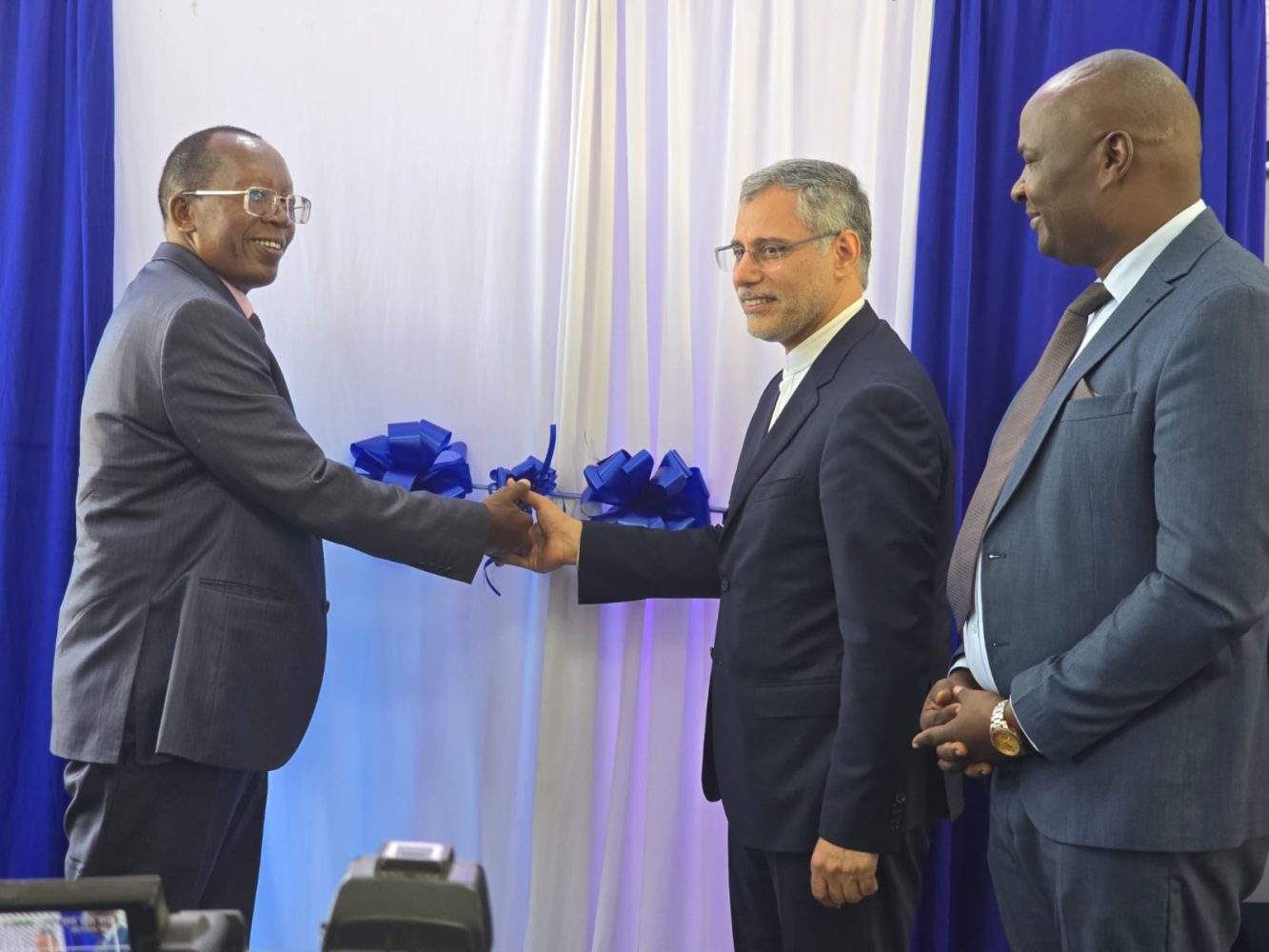
Speaking during the launch of postgraduate programmes in International Relations and Diplomacy at Zetech University on Thursday, Gholampour challenged students to question conventional theories of international politics, arguing that many had been shaped by Western perspectives.
“I requested the students to have their own way of thinking and not to rely only on the narratives that are made by mainstream media, especially in regards to wars and aggressions that happen, including in Iran, in Gaza and in the whole region,” he said.
The envoy said many international relations theories had been formulated by scholars in the United States and Europe, often reflecting the perspectives and interests of powerful nations.
He argued that such theories could be used to justify power politics and the actions of superpowers, including their military interventions and efforts to maintain global influence.
“The gap is to not be satisfied with the mainstream theories that have been formulated or built by scholars in the United States,” he said.
Gholampour cited conflicts in Africa, saying many civil wars on the continent were influenced by foreign powers and called on students to develop an independent understanding of international politics.
He also accused powerful nations of seeking to regain influence and control over countries such as Iran, Venezuela and Cuba, as well as parts of Africa.
The ambassador further criticised what he described as the continued influence of colonialism in modern international relations, arguing that some global powers were pursuing policies resembling colonial domination in a contemporary form.
He challenged students to go beyond established theories and develop analytical approaches that reflect the realities and interests of their own countries.
Meanwhile, Zetech University Vice-Chancellor Prof Njenga Munene said the institution was committed to producing diplomats who would advance Kenya’s economic interests and strengthen its international relations.
Munene said Kenya’s relationships with neighbouring countries, including Uganda, Tanzania, the Democratic Republic of Congo, Sudan, Ethiopia, Djibouti and Somalia, were critical to its economic and diplomatic stability.
He said the country needed diplomats who would negotiate beneficial trade agreements, promote technological transfer and support industrial development.
“We want to produce diplomats who are concerned about our economic welfare, who go to their countries to represent Kenya, not just for the pacts that are given to diplomats but they negotiate trade agreements that are positive for our country,” he said.
Munene added that the new postgraduate programmes would equip students with the skills to represent Kenya effectively on the international stage and contribute to the country’s economic independence.
He said diplomacy should go beyond political agreements and focus on securing opportunities that improve the livelihoods of Kenyans and strengthen the country’s industrial capacity.