The once-bustling Kapunia village in Masol, West Pokot County, has been reduced to a ghost village following the collapse of gold mining activities that once attracted thousands of pastoralist families to the area.
The gold discovery several years ago triggered a major migration into Kapunia, with pastoralist families moving with their livestock in search of the precious mineral. For years, miners flocked to the area, hoping to strike it rich from the gold deposits.
However, the gold deposits gradually diminished, forcing many residents to abandon the village and return to their original homes. Others moved to areas such as Romos, Kambi Karaya and Katikomor, where they continue searching for gold.
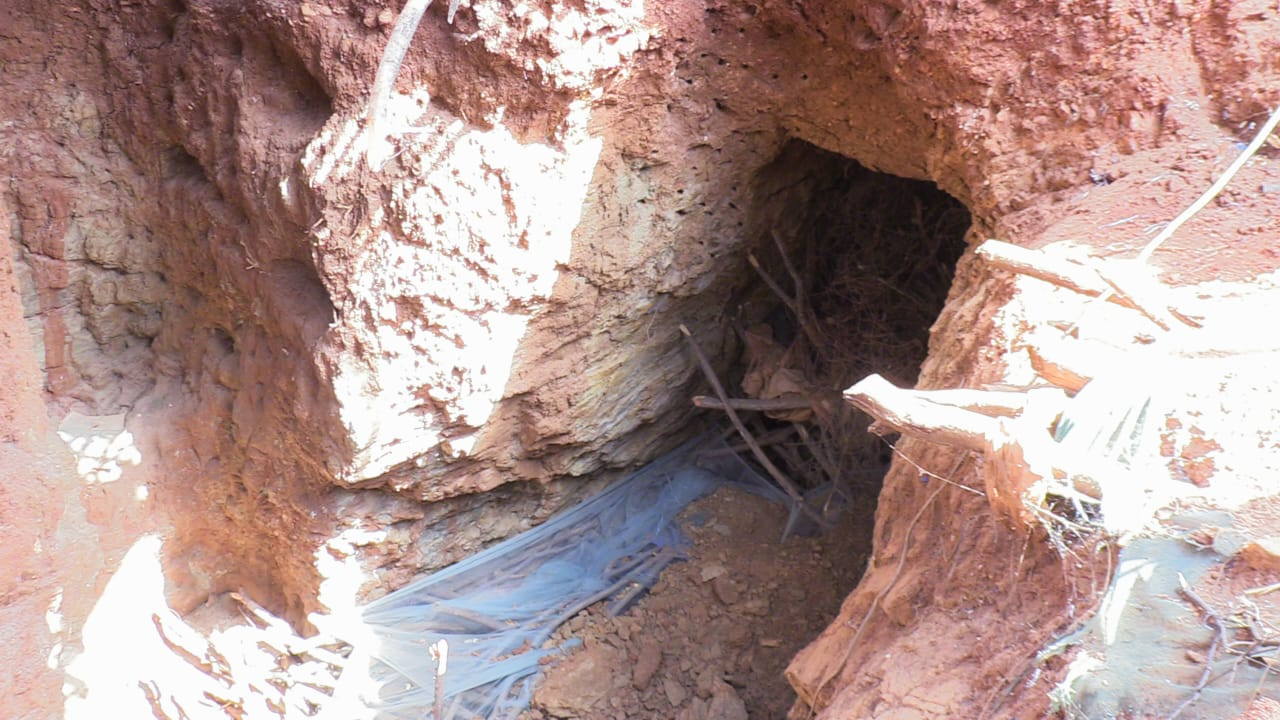
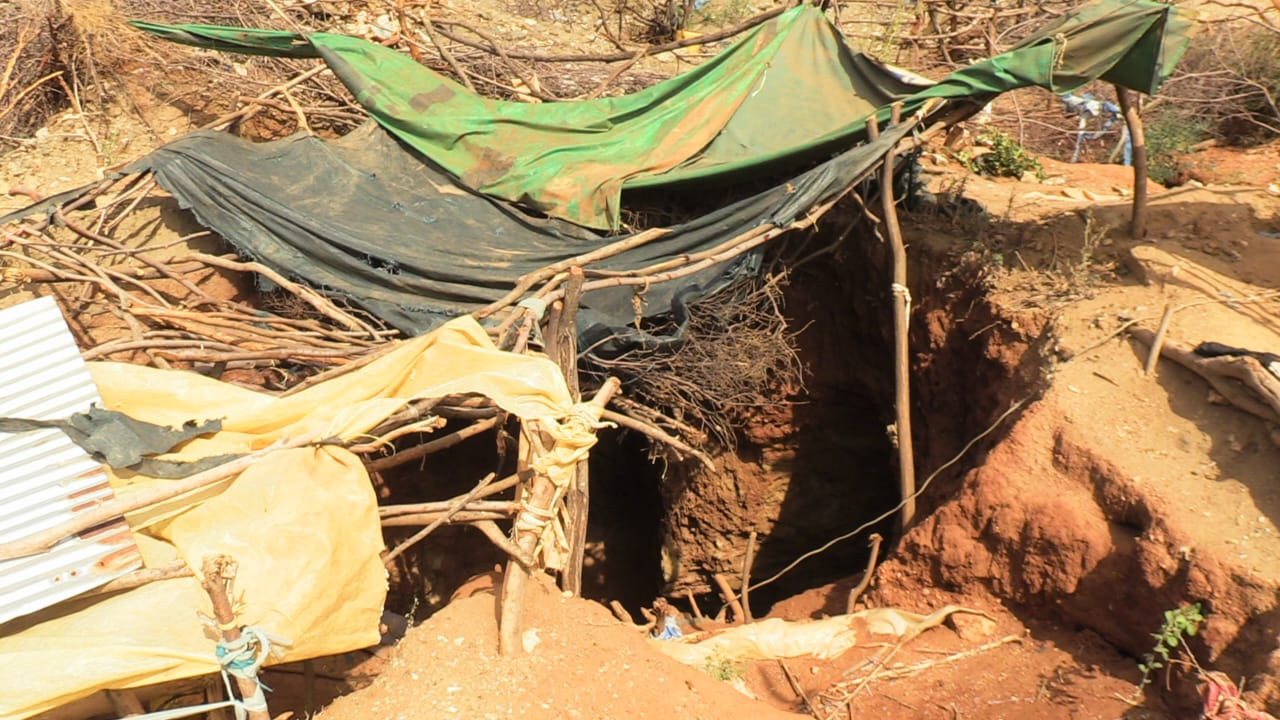
Today, Kapunia presents a different picture. The village is largely deserted, with dry and barren surroundings and numerous abandoned mining sites scattered across the area. Deep, uncovered pits left behind by miners have become a major concern for the local community.
The abandoned pits are not only contributing to environmental degradation but are also posing a serious danger to livestock. Last week, a camel reportedly fell into one of the deep ditches while grazing, sparking fresh concern among residents over the dangers posed by the abandoned mining sites.
Residents are now calling on the government to move with speed and ensure that the abandoned pits are properly covered or secured to prevent further accidents. They fear that without urgent intervention, more livestock could fall into the holes, affecting the livelihoods of pastoralist families.
The community is also raising concern over the expected El Niño rains, warning that heavy rainfall could worsen the situation. They say water may fill the deep pits, making them difficult to identify and increasing the risk to both livestock and people.
As Kapunia continues to grapple with the aftermath of the gold rush, residents want the government and relevant authorities to assess the abandoned mining sites, restore the degraded environment and take urgent measures to protect the community and its livestock from further danger.