Governor says decades-old transport blueprint is finally moving from paper to implementation after county approval and President Ruto’s endorsement
September 4, 2026
Nairobi’s nearly 80-year-old dream of having an underground mass transit system is finally moving from successive master plans to implementation, Governor Johnson Sakaja has said.
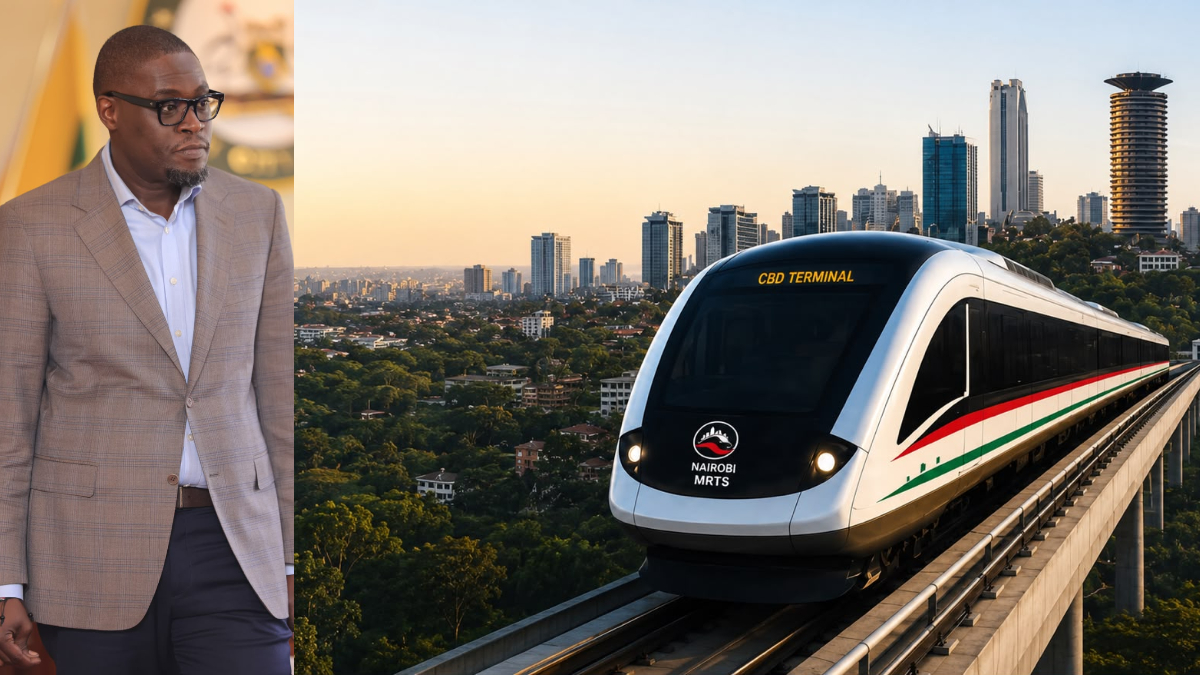
Sakaja says the Nairobi Metropolitan Mass Rapid Transit System (NMMRTS), which places an underground metro at the centre of the capital’s future transport network, will provide the infrastructure needed to tackle persistent traffic congestion and transform how residents move around the city.
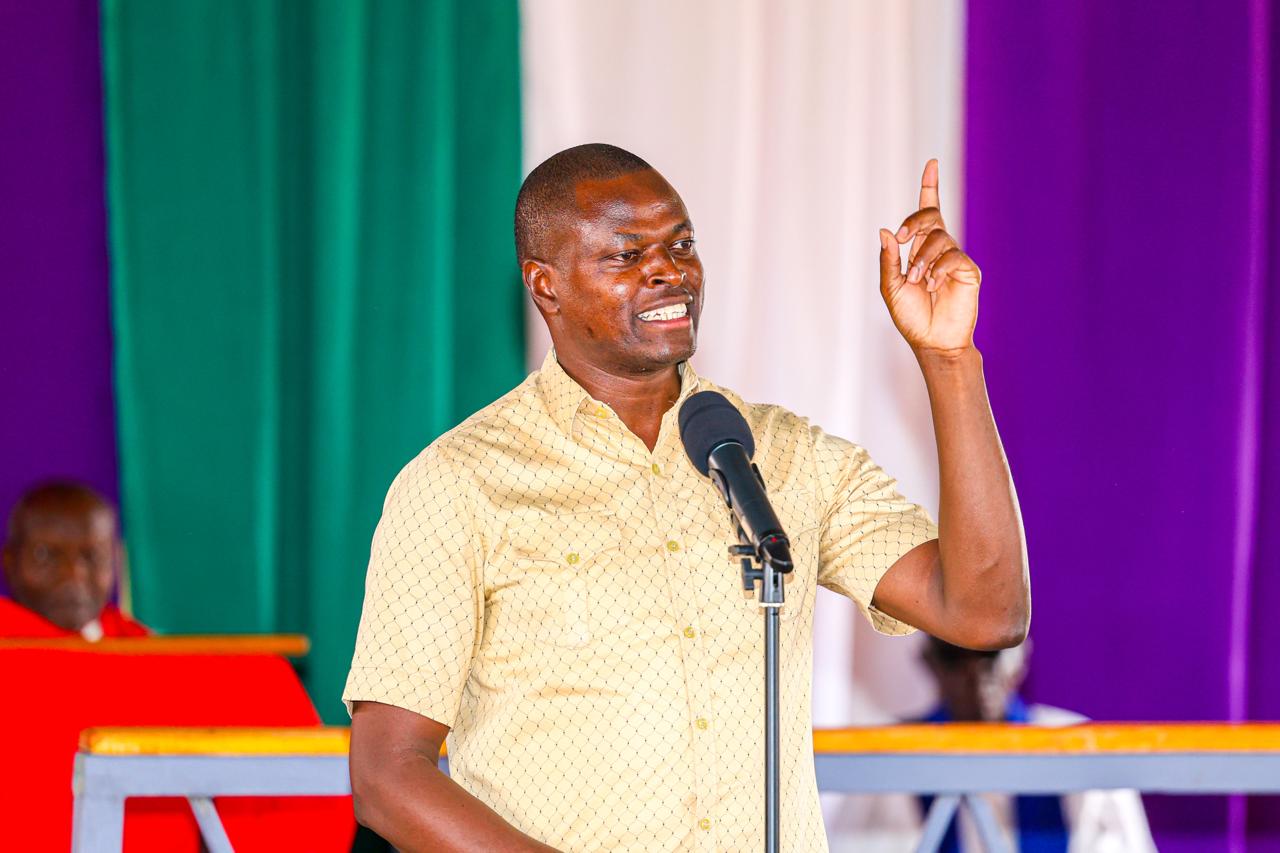
Speaking during the launch of his digital baraza podcast, Nairobi, Let’s Talk, the Governor said the project had moved beyond the planning stage after receiving approval from the Nairobi City County Executive Committee and endorsement by President William Ruto.
He said the project was no longer another transport proposal destined to remain on paper, but a plan with political backing, a defined financing framework and an implementation structure.
“Traffic congestion in any city requires an infrastructure injection that has never been done over the years. A mass transit system that is underground and a subway is the way it was in the 1948 master plan for Nairobi, the 1972 plan for Nairobi, and also in the 2014 city plan,” Sakaja said.
“Now we have moved it from a plan to being passed in the Nairobi City Cabinet, and now endorsed and embraced by the national government. The funding model is clear.”
President Ruto endorsed the Nairobi metro plan in July following a presentation at State House by Sakaja, Transport officials and other senior government officials.
The endorsement came days after the Nairobi City County Executive Committee approved the project, paving the way for closer collaboration between the two levels of government on its financing and implementation.
An 80-year-old transport dream
Sakaja says Nairobi’s current traffic crisis is partly the result of successive governments failing to implement long-term transport plans developed over decades.
The first major proposals for an integrated rail-based transport system date back to the 1948 Nairobi master plan, which included proposals for a ring railway and rail connections around the Central Business District.
In 1972, the Nairobi City Study Group again recommended an integrated mass transit system incorporating rail, Bus Rapid Transit (BRT) and non-motorised transport.
Similar recommendations were contained in the 2014 Nairobi Integrated Urban Development Master Plan.
Despite the proposals, Nairobi has continued to rely heavily on road-based public transport and private vehicles, contributing to worsening congestion as the city’s population and economic activity expanded.
Sakaja now says Nairobi has an opportunity to finally turn the long-standing vision into reality.
“This system is 80 years overdue,” he has previously told the Senate.
Underground backbone
The first phase of the NMMRTS will involve a 30-kilometre underground railway line connecting Eastlands to the Central Business District through 25 stations.
The underground metro will form the backbone of a broader multi-modal transport network integrating metro rail, commuter rail, BRT and non-motorised transport.
The objective is to create a seamless system where commuters can transfer between different modes of transport instead of relying on private cars or fragmented public transport services.
Sakaja said Nairobi must develop a public transport system good enough to persuade motorists to leave their vehicles at home.
“In cities that have grown to first world, such metro transit works and people barely use their vehicles because the public transport system is the best. That is our goal,” he said.
The system is expected to serve nearly five million residents, who collectively make more than 12 million trips across Nairobi every day.
The 20-minute city
At the centre of Sakaja’s vision is the transformation of Nairobi into a “20-minute city”, where residents can reach key destinations within about 20 minutes through an efficient and integrated transport network.
The Governor says reducing travel times will not only ease the burden on commuters but also improve productivity and strengthen Nairobi’s position as a regional business and investment hub.
“We cannot continue welcoming international investors and visitors only for them to spend two hours stuck in traffic. We will turn Nairobi into a 20-minute city, where you can get anywhere within 20 minutes,” he said.
The plan is also expected to reshape development around metro stations through Transit-Oriented Development (TOD), with residential, commercial and public facilities concentrated around transport hubs.
$7.78 billion investment
The full NMMRTS programme is estimated at $7.78 billion, with the proposed financing model combining government funding, pension funds and Transit-Oriented Development investments.
Sakaja has said key feasibility studies have been completed with support from the Japan International Cooperation Agency (JICA) and Chinese experts.
The county is also establishing a Project Management Unit to coordinate and oversee implementation.
The Governor has previously said the locations of the proposed stations have been identified and that a legislative framework has been developed to define the respective responsibilities of the Nairobi County Government, National Government and private investors.
Under the TOD model, investment around metro stations is expected to generate new commercial and residential developments, increase land values and create additional economic activity while supporting the financing of the transport system.
Expanding the network
Phase One will establish the initial backbone of the system, connecting Eastlands to the CBD and providing underground connections towards major commercial and employment centres, including Westlands and Upper Hill.
A second phase is expected to extend the network along Ngong Road and Lang’ata Road, creating a wider rapid transit system covering some of Nairobi’s busiest corridors.
Sakaja says the project is ultimately about more than easing traffic.
An efficient mass transit network, he argues, will reduce travel times, improve productivity, unlock investment around transport stations, raise land values and enhance Nairobi’s competitiveness as a regional economic hub.
For a city whose transport master plans have repeatedly remained on paper, the next test will be converting political endorsement, completed studies and financing proposals into actual construction.
Sakaja says that journey has already begun.
“The funding model is clear. Now this is a plan that will change the city and make it a 20-minute city,” he said.