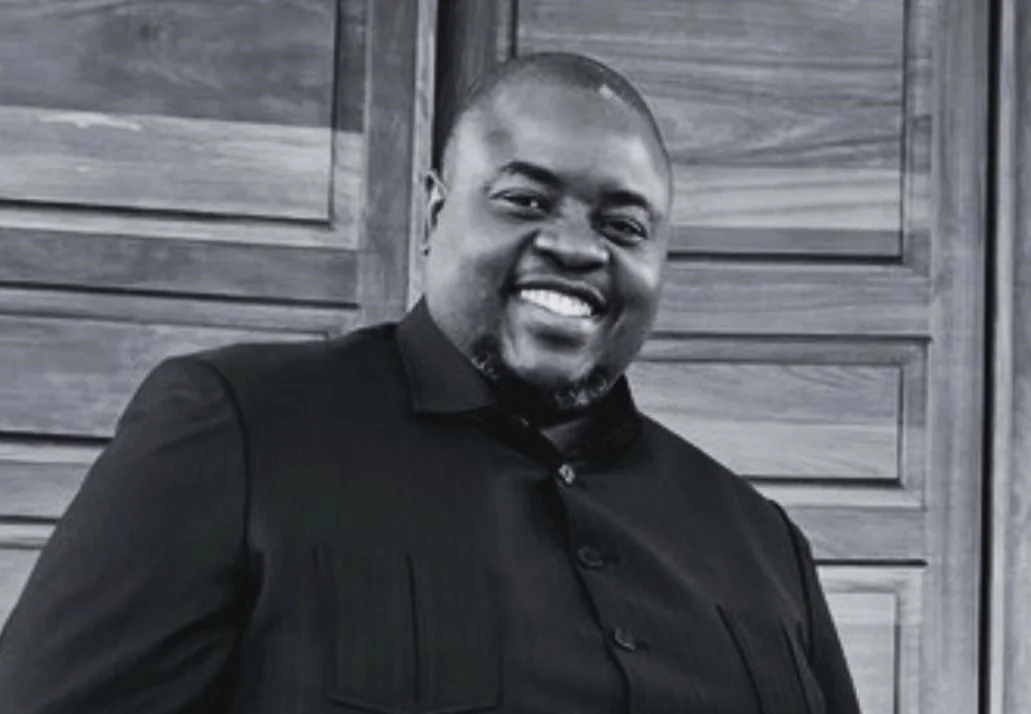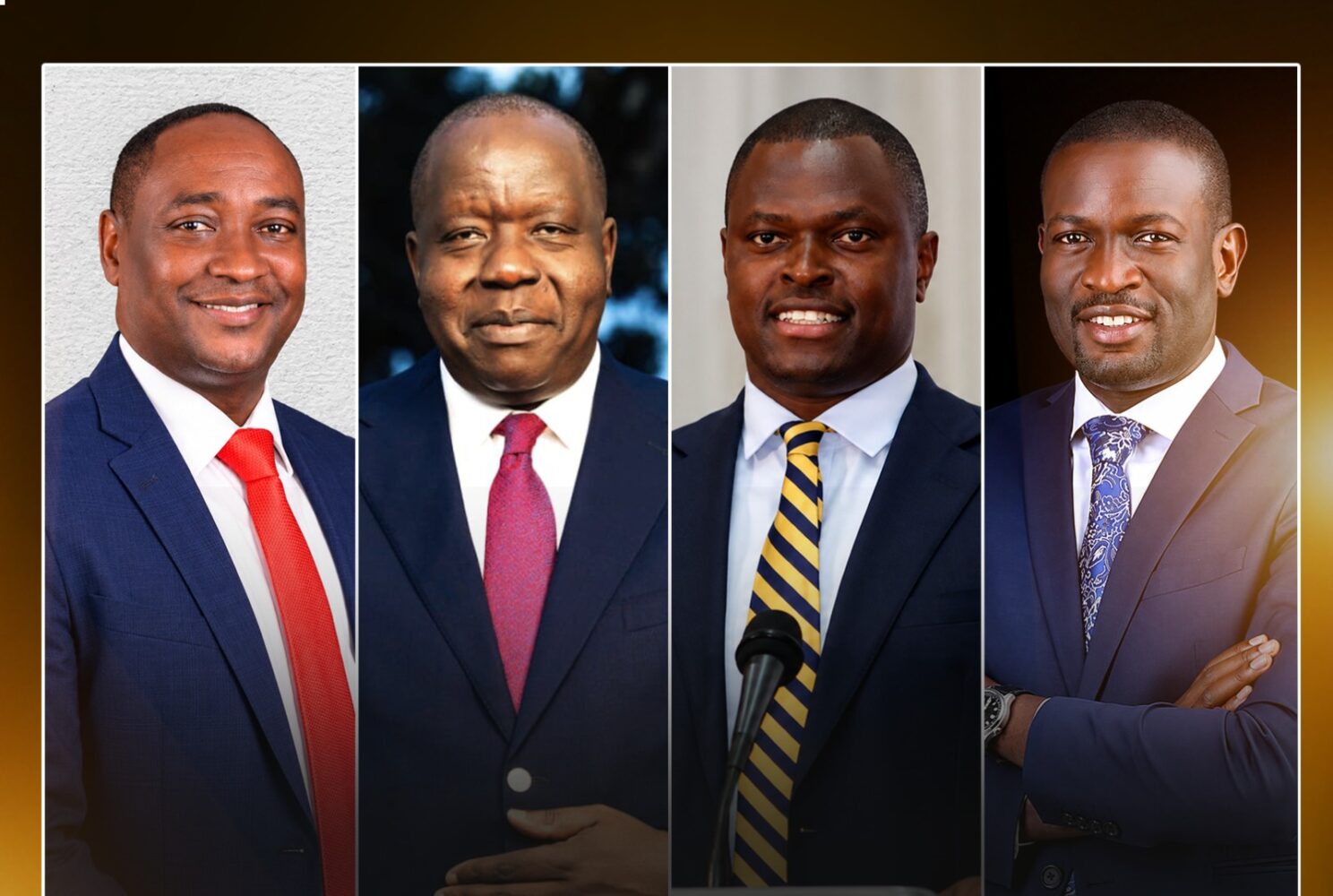
As the 2027 political contest begins to take shape, a new question is emerging in Ukambani: can Augustus Kyalo Muli build the kind of regional political insurgency associated with Edwin Sifuna and Ndindi Nyoro?
As the 2027 race takes shape, two names have increasingly featured in discussions about a new generation of political leaders: Edwin Sifuna, through the Linda Mwananchi movement after leaving ODM, and Ndindi Nyoro, who on August 17, 2026 formally ditched UDA to become party leader of the People’s Party of Kenya (PPK).
Sifuna has positioned himself as a voice of generational change, particularly among younger voters. Nyoro is positioned himself as the young, technocratic and investor-friendly alternative in Mt Kenya, seeking to reincarnate the Kibaki economic model.
Their approaches are different, but the underlying political formula is similar: generational contrast, own party vehicle, regional identity and national bargaining power.
The question now being asked in political circles is whether Dr Augustus Kyalo Muli can reproduce that formula in Ukambani through the National Liberal Party (NLP).
On paper, the parallels are striking.
In Mt Kenya, Rigathi Gachagua’s political hold is being challenged from several directions. Critics including Justin Muturi, Peter Munya and Lenny Kivuti have questioned efforts to consolidate regional parties under the Democratic Congress Party (DCP), while Deputy President Kithure Kindiki has emerged as a counterweight. Nyoro’s move to lead PPK, rather than folding into DCP or staying in UDA, adds another layer to the fragmentation.
In Ukambani, Wiper leader Kalonzo Musyoka, who has dominated Kamba politics for two decades, is facing what appears to be one of the more structured challenges to his regional influence in recent years.
This time, the challenge is not coming primarily from outside Ukambani’s political establishment. It is coming from within, through Muli’s NLP.
NLP Secretary-General Omondi K’Oyoo says the party has more than 200,000 registered members in Ukambani, including about 130,000 in Kitui County, and close to half a million nationally.
Those figures are party claims and would require independent verification. But the more immediate political signal came on August 13, when Muli addressed a large gathering at Kitui Stadium. Party officials put the attendance at more than 6,000.
That matters because, even though Wiper had brought in Edwin Sifuna of Linda Mwananchi as a guest to boost its own meeting at the same venue days earlier, sources say Muli’s crowd dwarfed Wiper’s.
More significant, however, is Muli’s message.
The politician, who intends to contest the Kitui Central parliamentary seat in 2027, has increasingly presented himself as an independent alternative to both President William Ruto’s administration and Kalonzo Musyoka’s Wiper establishment.
His slogan captures the strategy:
“I am not Ruto’s proxy. I am not Kalonzo’s spanner boy.”
It is a deliberate rejection of the traditional Kenyan political model in which emerging regional politicians are expected to operate under an established kingpin.
Muli instead describes himself as “Ukambani’s insurance policy”—a politician who wants the region to negotiate nationally from a position of collective strength rather than dependence on a particular coalition or presidential candidate.
In an open letter to Kalonzo, Muli argued that Ukambani’s roughly two million voters have repeatedly been used as bargaining currency during national elections without securing commensurate political returns.
His proposed Ukambani Unity Pact 2027 takes that argument a step further: regional unity should come before decisions about which national coalition to support.
That is where his strategy begins to resemble the political approaches of Sifuna and Nyoro.
All three – Sifuna with Linda Mwananchi, Nyoro with PPK, and Muli with NLP – have chosen to build their own vehicles rather than be absorbed by the regional big parties. All three are trying to turn regional and generational identity into national bargaining power.
Muli is attempting something similar in Ukambani, but with one important distinction.
He is trying to establish his political identity before attaching himself to either side of the national divide.
“NLP will work with either Opposition or Government. But we are not going to beg. We are going to bargain,” he has said.
That positioning could become one of his biggest assets—or one of his biggest vulnerabilities.
Nyoro, for example, must now defend his decision to break with his long-time mentor Ruto and prove that PPK can become a national platform. Muli does not carry the same baggage.
But what Muli lacks in institutional machinery, he makes up for in clan machinery. While Nyoro has the Budget Committee pedigree and Sifuna has the Senate floor, Muli has the Anzauni Clan — and in Ukambani, clan is the original political party.
The broader opposition landscape provides an additional opening.
The opposition is currently displaying competing political currents, with Gachagua, Kalonzo, Eugene Wamalwa and Justin Muturi appearing together on some platforms, while figures such as Fred Matiang’i, Martha Karua and Peter Munya have pursued other political engagements, and Nyoro has now aligned his PPK with the opposition.
With several possible coalition and power-sharing arrangements being discussed but no settled national formula, regional politicians with their own parties have considerable room to negotiate.
That uncertainty is precisely where emerging political movements can thrive.
For Muli, the next major test could come on October 3 during the Anzauni Cultural Festival and his planned coronation as Chief of the Anzauni Chiefdom in Kitui.
Organisers expect a large turnout from across Kenya and the diaspora. Politically, however, the event is likely to be watched for another reason: whether Muli can translate organisational claims into sustained mass mobilisation.
In Ukambani, numbers matter.
So, can Muli pull a Sifuna-Nyoro in Ukambani?
Perhaps the more important question is whether he can turn the emerging appetite for generational change into a durable political organisation built around NLP, just as Sifuna has with Linda Mwananchi and Nyoro now with PPK.
A year ago, the prospect might have seemed remote.
Today, the fact that Muli’s mobilisation is being compared with the established political networks of Kalonzo Musyoka suggests that something has changed.
Whether that change amounts to a political realignment—or simply another short-lived Kenyan political movement—will be decided at the ballot box in 2027.
By Omondi K’oyoo