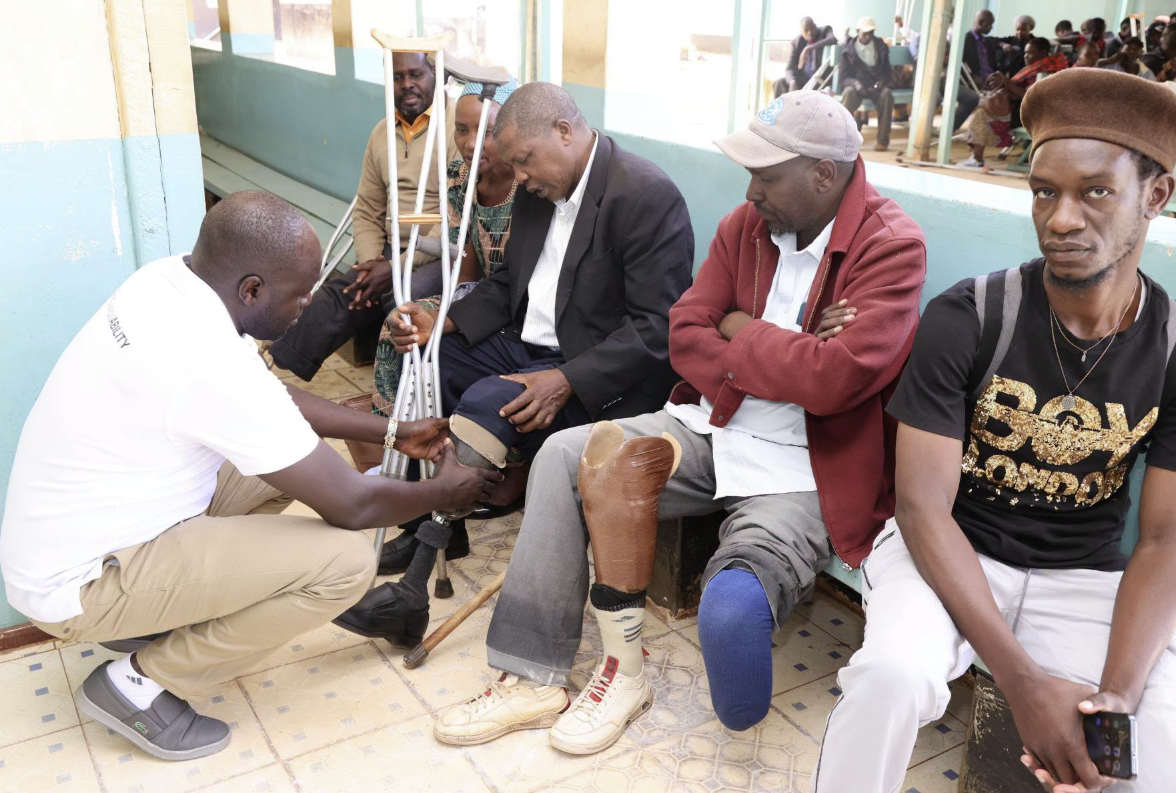
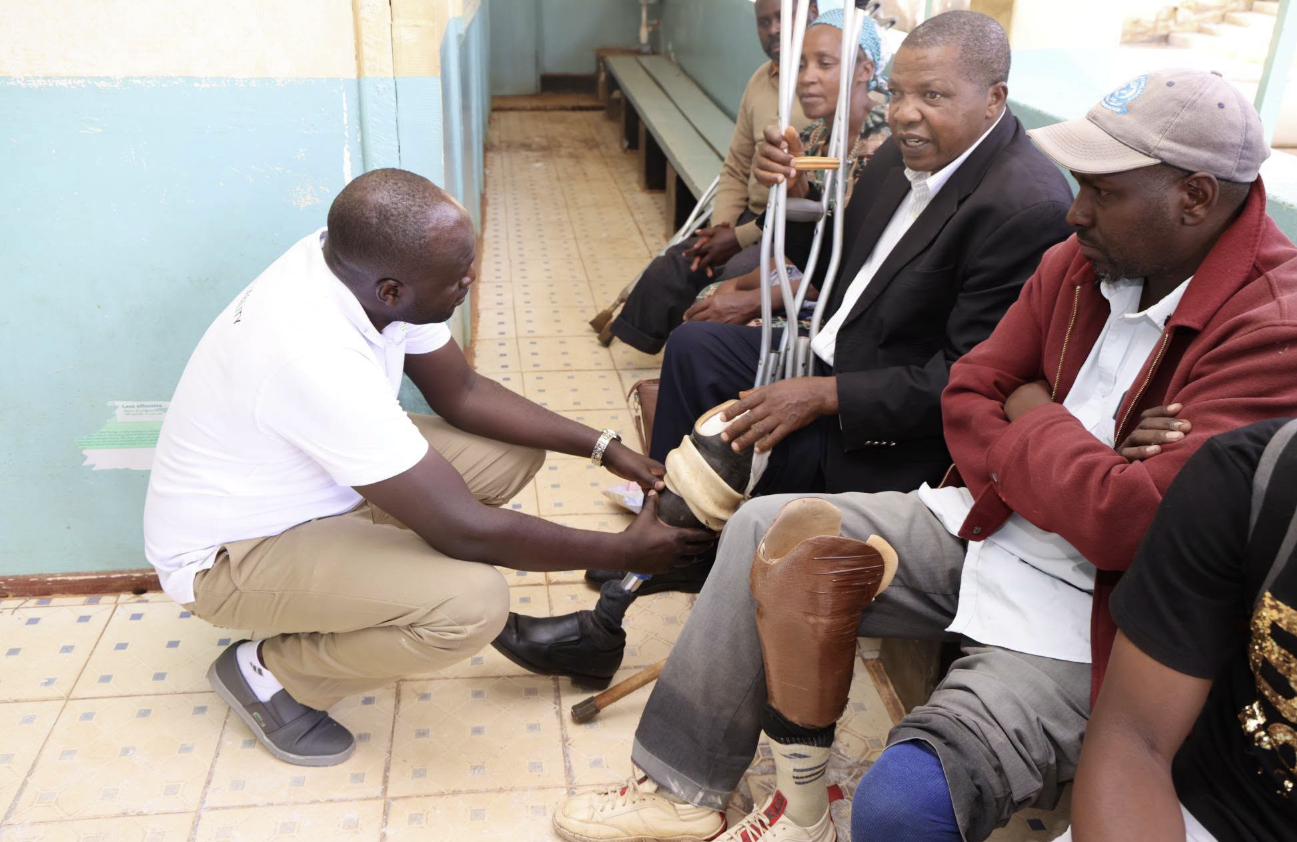
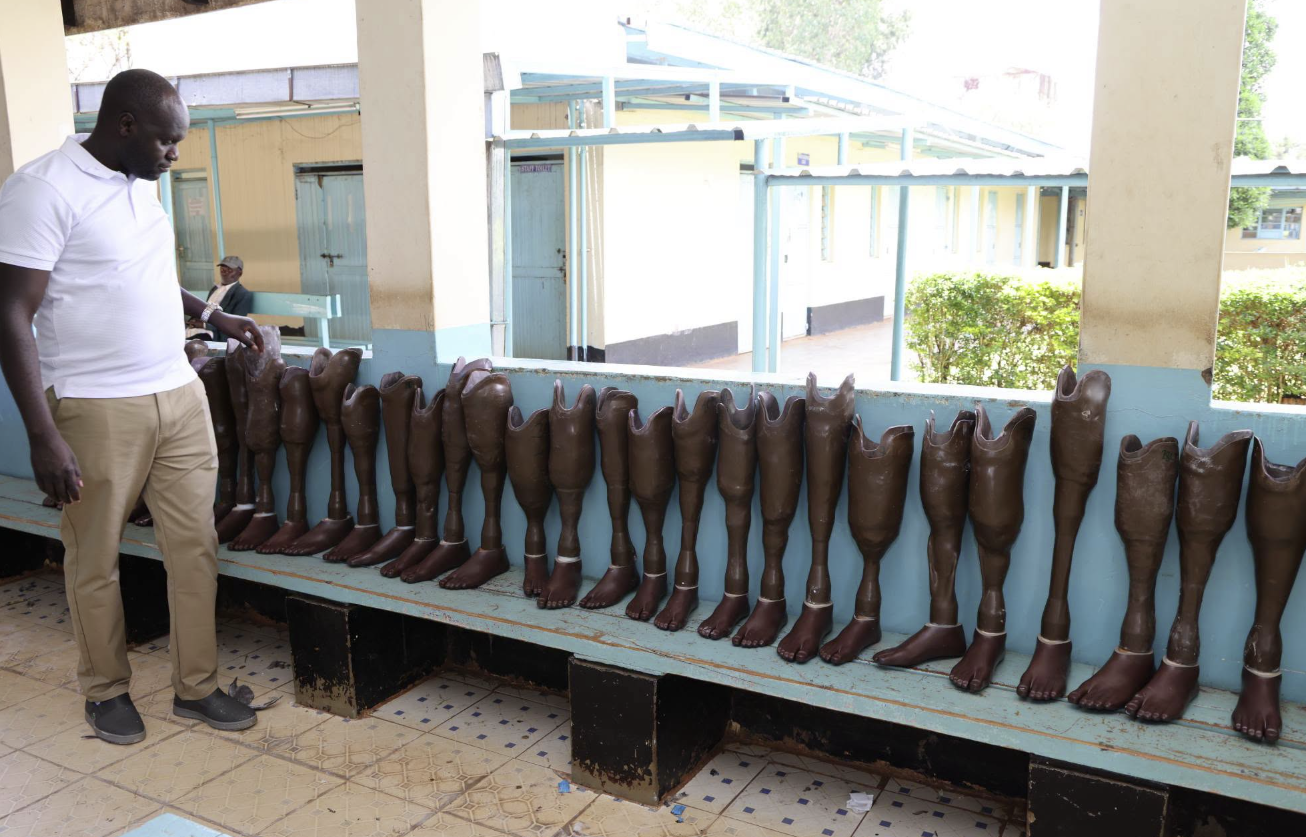
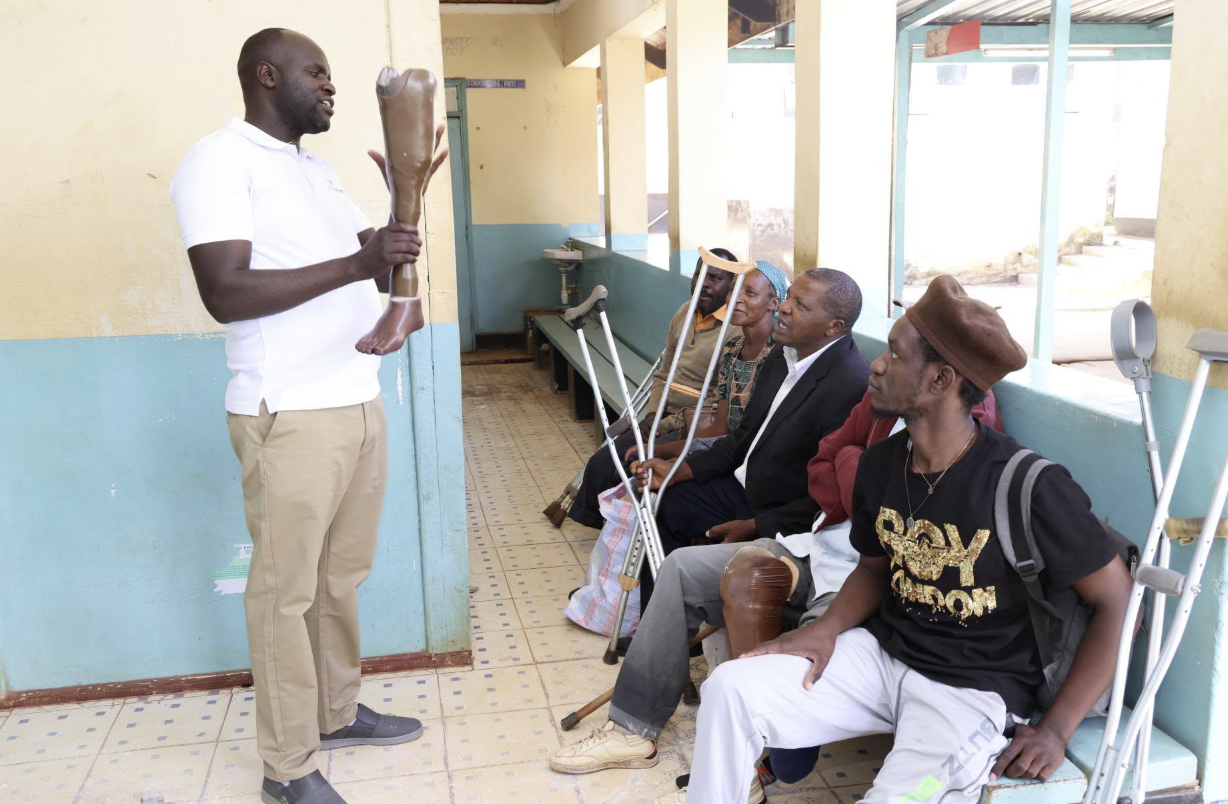
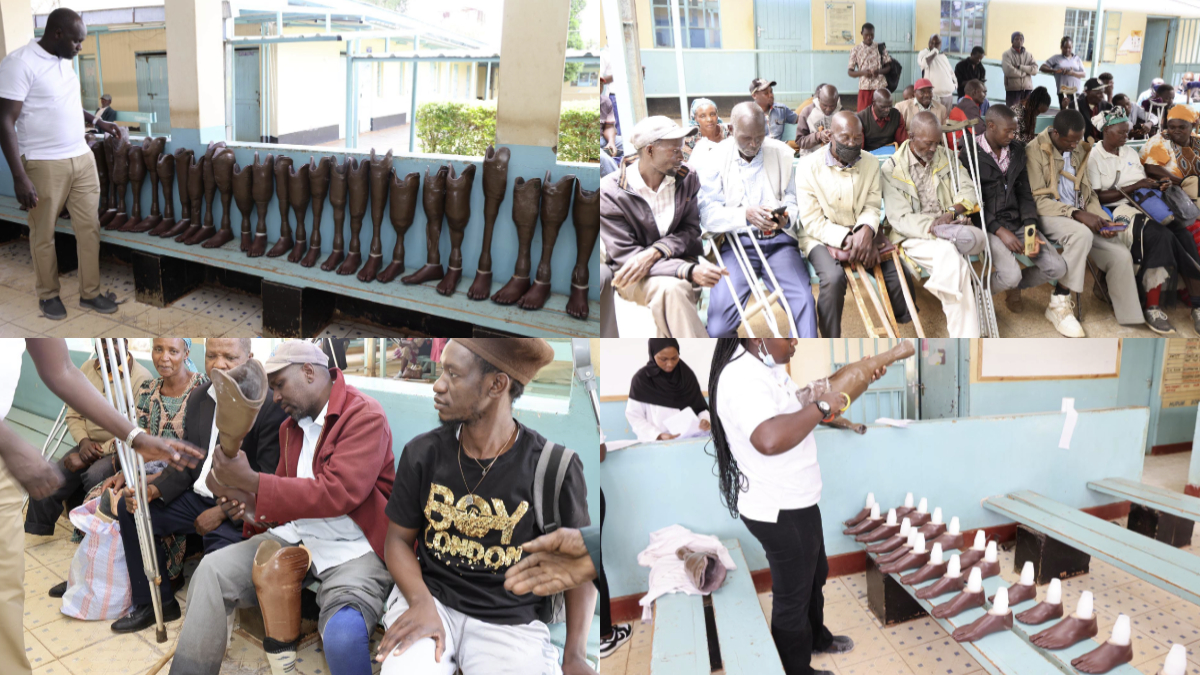
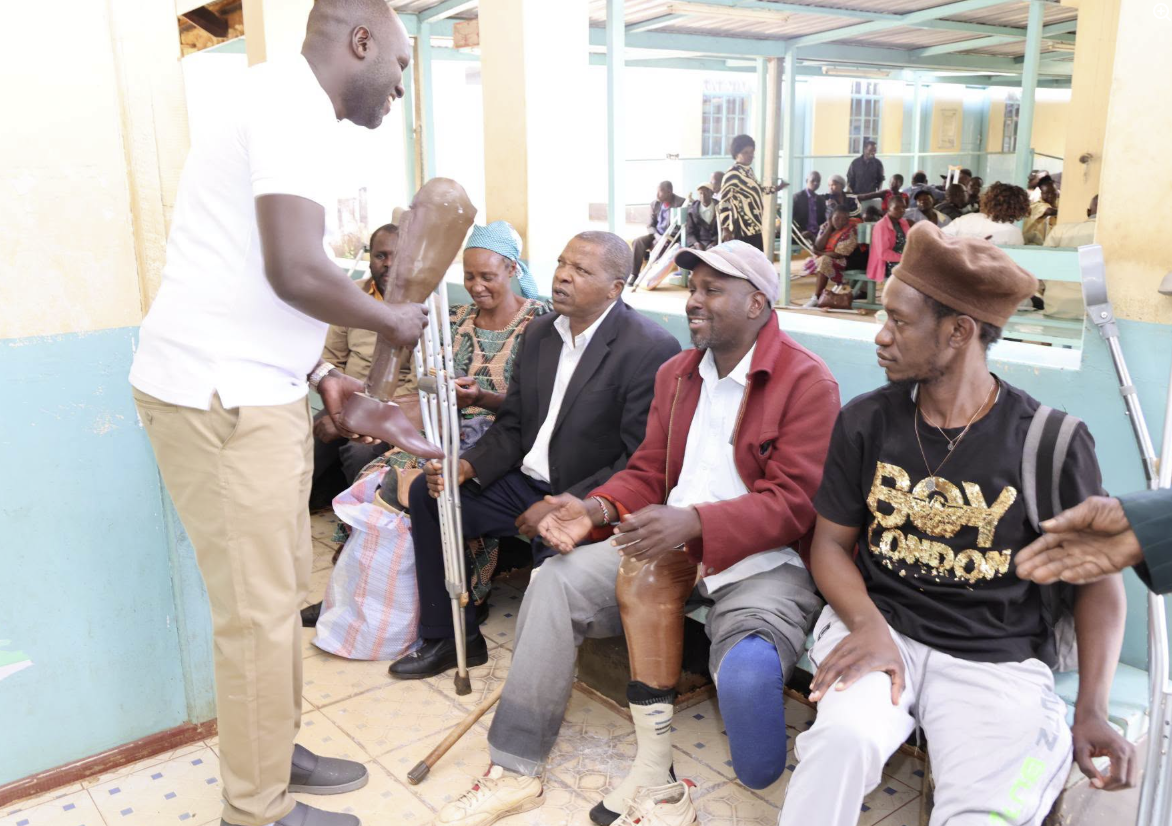
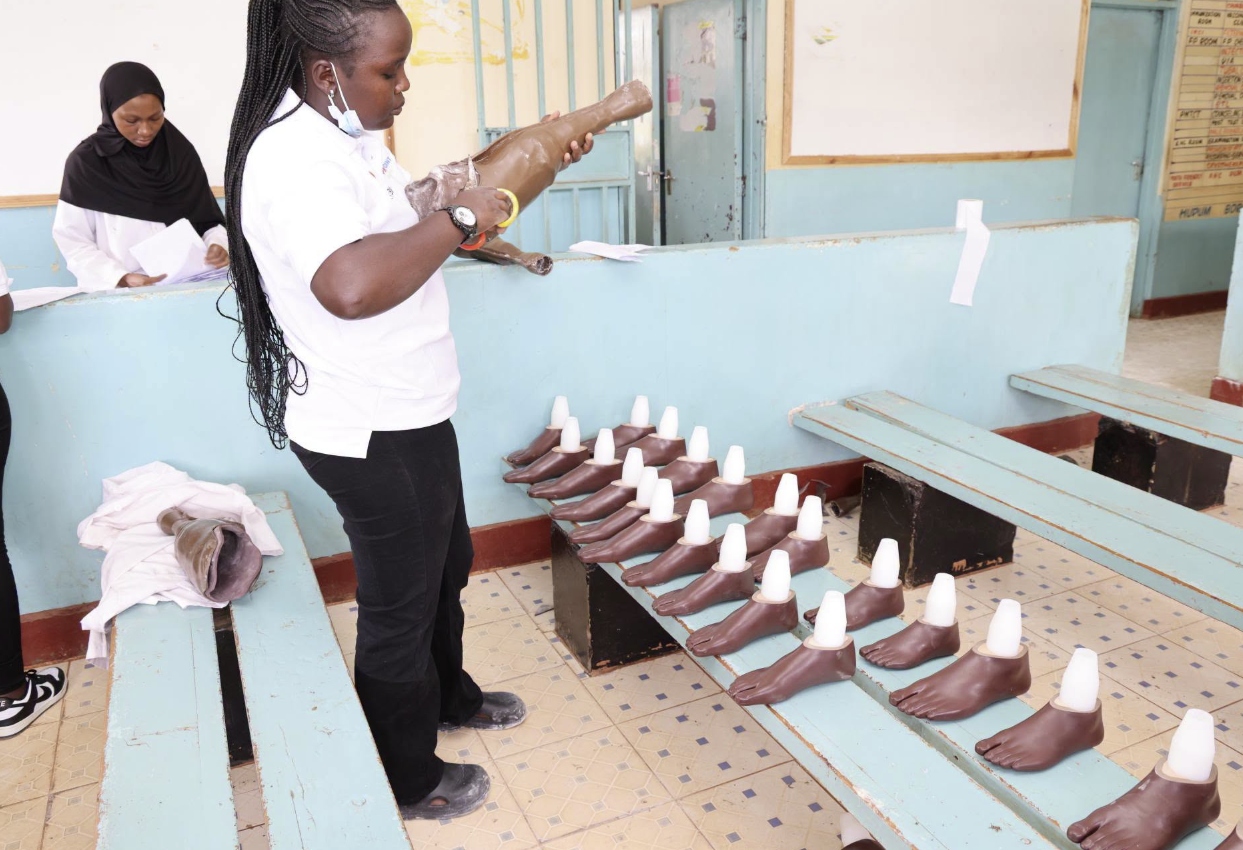
More than 100 amputees from Trans Nzoia and neighbouring counties have received artificial limbs after an eight-day outreach at the Trans Nzoia County Refferal hospital, double the target of 50 set by the organisers.
The programme, which is run by Swissability Kenya (VisAbility) with the collaboration with the Catholic Diocese of Kitale and the Trans Nzoia County Government departments of health, saw 70 of the devices handed over by Tuesday, September 29 and the remaining 30 given out on Friday, October 2.
Demand was heavy from the start. More than 150 people turned up on the first day, and patients travelled from Turkana, West Pokot, Kisumu, Uasin Gishu and Nakuru.
Trans Nzoia County Executive Committee Member for Health and Sanitation Christopher Kerio Lorot thanked the partners, saying the county government “highly appreciates” the investment in local expertise. A week-long training for rehabilitation staff was held alongside the fittings. He said the county would keep the partnership going and invited the organisations to continue working in Trans Nzoia.
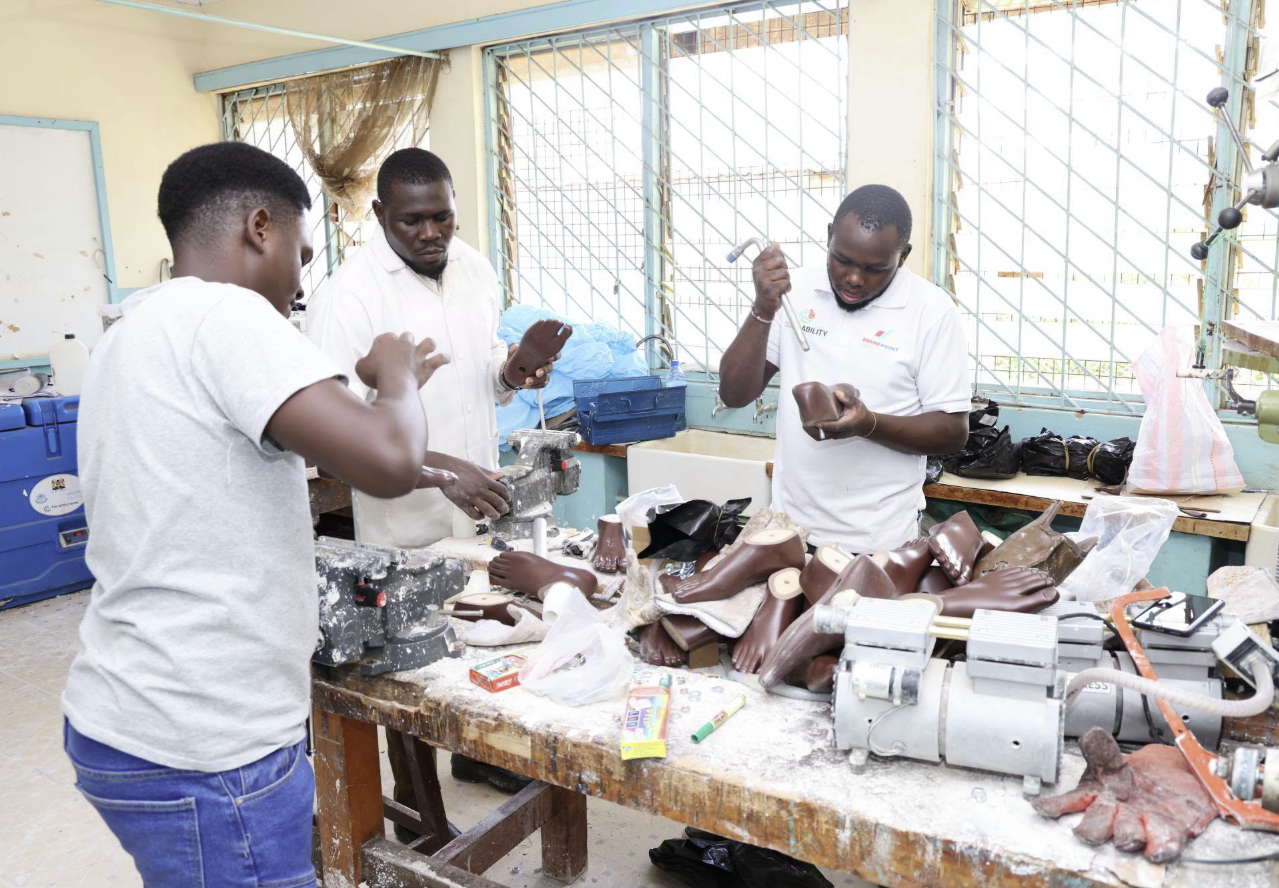
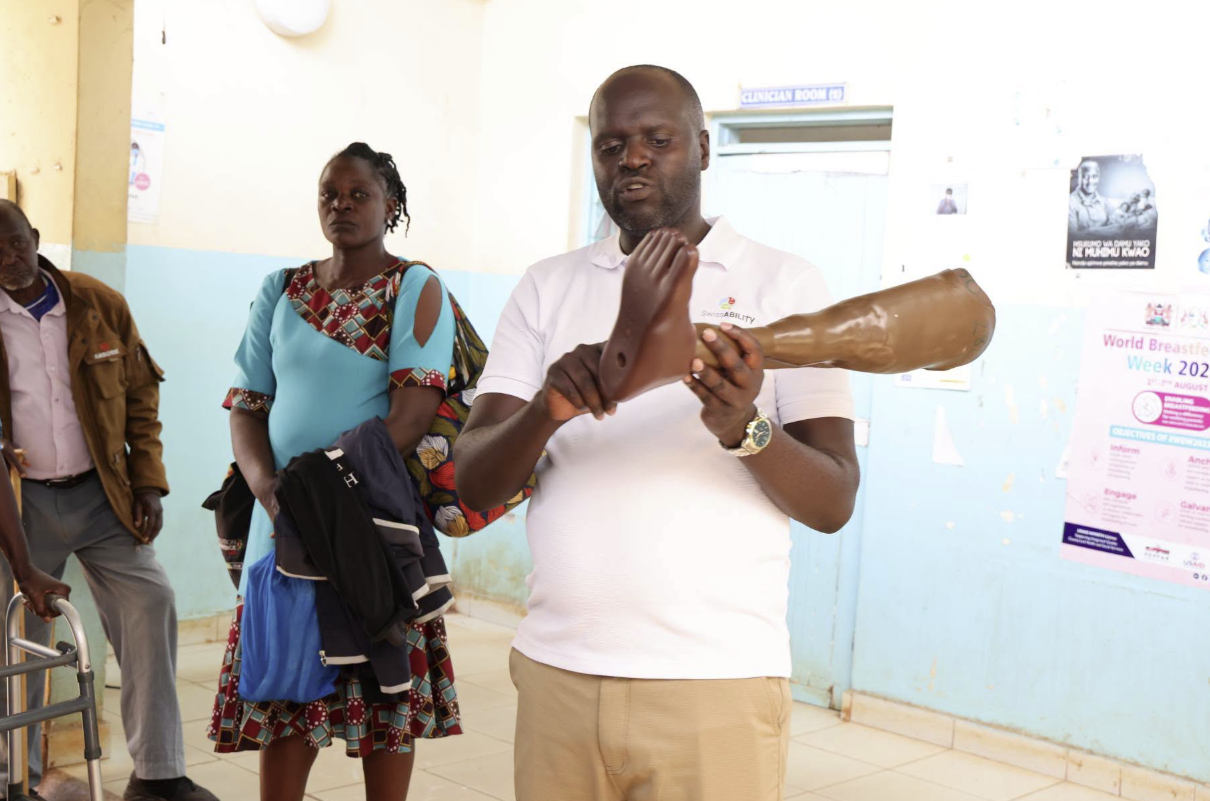
Kenneth Kipyego Melly, national chairman of the Association of Orthopaedic and Prosthetic Technologists and a Swissability representative, said it was the most successful outreach the group had held. The team used the “Monolimb”, a light Swiss-designed limb that is cheap and quick to put together. This let a small team of volunteers and officers fit many patients in a short time.
Mr Melly said Trans Nzoia already has seven orthopaedic technologists, a good base to build on, but needs more equipment to run a full workshop. He estimated that each county has between 1,200 and 2,000 amputees.
“The Monolimb has shown it can work and last,” he said, adding that the next step is to formalise the partnership between VisAbility and the county government.
He said the long-term aim is to restore “mobility, independence and dignity” to amputees so they can contribute to their communities and the economy.
Trans Nzoia County Referral Hospital Medical Superintendent Dr. Vyntine Mukhwana said the hospital, through the Department of Health Services and Sanitation, will make prosthetic services a permanent part of its work, including repairs, maintenance and making new limbs.
She said many patients previously travelled to Nairobi or Kisumu for costly care. “The turnout shows how badly these services are needed close to home,” she said, adding that patients had expressed great joy and relief at walking again. The hospital plans to expand the service and seek more resources.
Bernard Masioge, the Trans Nzoia County representative of the National Council for persons with disability, welcomed the distribution of “Bandea” shoes to those in need. He said mobility is a basic right and that such support is “affordable” and “possible”. He said the model should be copied in every county and appealed for help for people who need above-the-knee limbs, whose needs remain largely unmet. He also thanked the hospital management and staff for providing the facilities.
For the beneficiaries, the difference is personal. Julius Macharia from Kesogon in Cherangany Sub-County, Everlyne Ambia Serebwa from Kiminini and John Oroto Mbaye from Lodwar said the limbs would let them return to their daily activities as they did before their injuries.
They asked the national and county governments to set aside budgetary allocation through the health department to make prosthetics easier to get. They also asked the government to review the high cost of the devices, which they said keeps many amputees in the country immobile.