
The construction of the new Nithi Bridge and upgrading of key feeder roads in Embu are set to transform connectivity across the eastern region, opening agricultural areas to markets while improving the movement of people, goods and services.
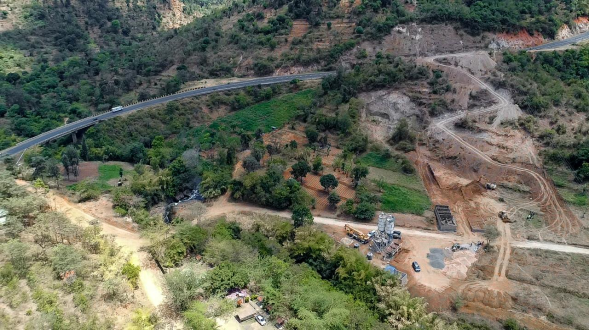
The Sh7 billion Nithi Bridge project, backed by the Government of President William Ruto, will replace the challenging existing crossing with a bridge rising about 100 metres above the valley floor. The bridge and its approach roads will cover approximately 2.7 kilometres.
Government planning documents describe the project as part of efforts to improve connectivity along the busy Embu-Meru corridor and address the long-standing safety challenges at the existing Nithi section.
For residents living around Nithi, the project is also a visible sign that a long-discussed infrastructure intervention is moving towards implementation.
Dominic Njagi, a resident of the Nithi area, said the progress had changed perceptions among locals who had previously doubted whether the new bridge would become a reality.
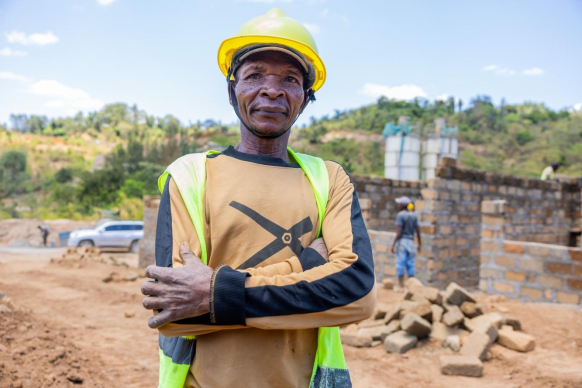
“We are happy because what we had only been hearing about is now something we can see on the ground. The work is taking shape, and this gives us confidence that the bridge will be built.”
Njagi said the benefits of the project would extend beyond Tharaka Nithi because the Nithi corridor serves travellers and businesses moving between different parts of the country.
“People from different parts of the country pass through here. This is not only about Tharaka Nithi. We are all going to benefit from a better and safer connection.”
The wider infrastructure push is being complemented by road investments on feeder routes, including the Kararitiri-Rukuriri-Kathageri-Kanyuambora and the Kivwe-Kevote corridor in Embu County.
The roads serve a predominantly agricultural area where residents engage in tea, coffee, dairy, maize farming, livestock keeping and small-scale trade. Improved road access is expected to reduce the difficulty of moving agricultural produce from farms to collection centres, markets and processing facilities.
The road projects therefore complement the Nithi Bridge investment by improving the network that feeds into major transport corridors.
At Nithi, the new bridge is expected to provide a more direct connection across the valley while addressing the difficult curves, steep gradients and safety concerns associated with the existing route.
Together, the investments illustrate how major infrastructure and rural road connectivity can work as one transport network: the bridge improves movement along the regional corridor, while feeder roads bring farmers, traders and communities into that corridor.
For residents, the significance is ultimately measured not only by the size of the structures being built, but by the opportunities they can create.