
African leaders, scientists and policymakers have called for increased investment in research and stronger links between science and policymaking to accelerate development across the continent at Nairobi Summit.
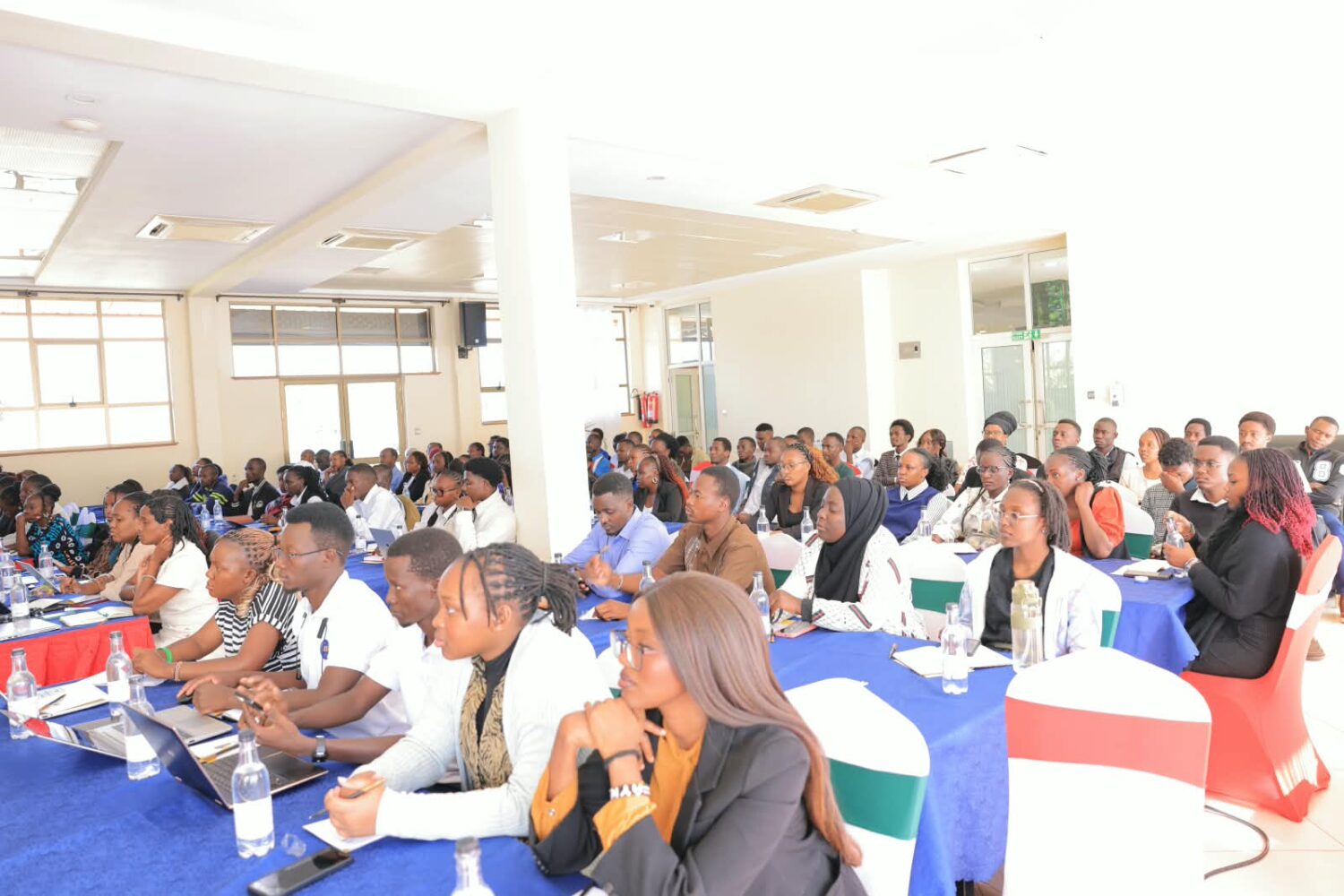
The call was made during the first Science Summit in Nairobi, where participants urged governments, research institutions and development partners to ensure scientific evidence informs public policy, government spending and investment decisions.
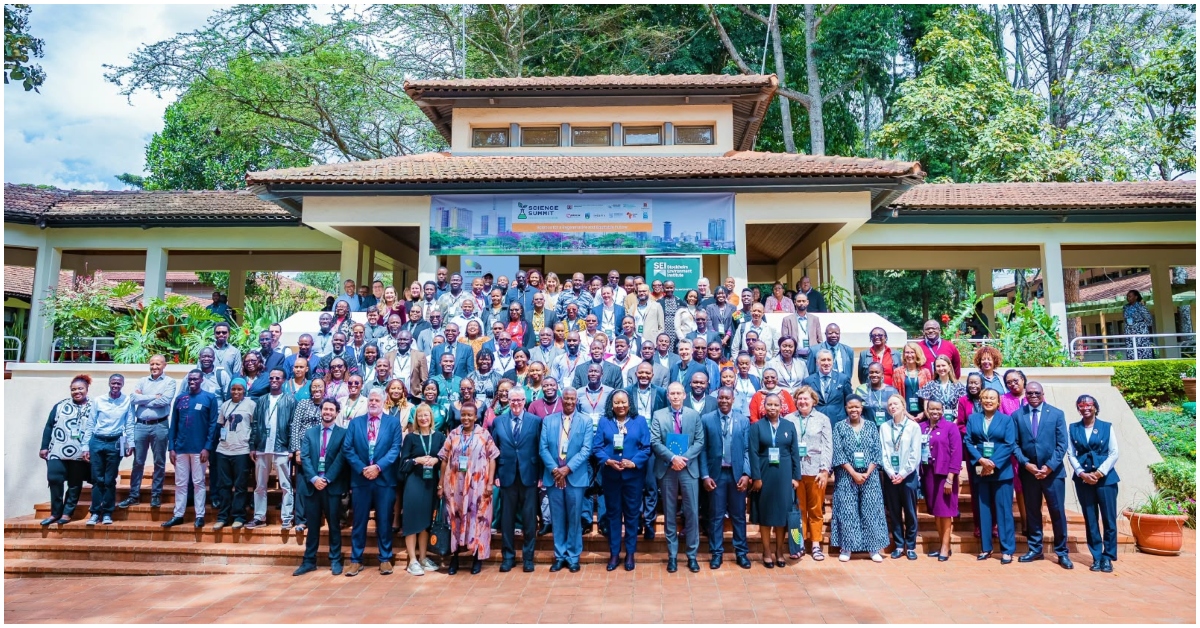
The two-day meeting brought together scientists, policymakers, development partners and other stakeholders to discuss Africa’s research priorities and the continent’s role in global science and sustainable development.
Dr Philip Osano, Chief Operating Officer at Landscape Alliance, formerly CIFOR-ICRAF, said Africa must move beyond generating scientific knowledge to applying research findings to address pressing development challenges.
“Science must inform Africa’s development decisions, ensuring that evidence guides investments and solutions to the continent’s development challenges,” Osano said.
He identified food security, climate change and environmental sustainability as key areas where research could deliver practical solutions, including improved agricultural productivity, landscape restoration and climate-resilient infrastructure.
Osano also called for closer collaboration between scientists and decision-makers, particularly legislators, to ensure research findings influence legislation, public expenditure and development planning.
Bridging the Gap Between Science and Policy
Participants said scientific research could have a greater impact if research institutions strengthened their engagement with governments, legislators and other actors responsible for translating evidence into policy and investment.
Nick Biketi, Secretary in the State Department of Parliamentary Affairs in the Office of the Prime Cabinet Secretary and Ministry of Foreign and Diaspora Affairs, said the summit provided an important platform for African scientists, institutions and innovators to contribute to global development discussions.
Biketi highlighted science diplomacy as an important tool for strengthening cooperation between the Global North and Global South. He also underscored the value of indigenous knowledge in developing solutions that respond to local realities.
He called for stronger partnerships among scientists, policymakers and legislators, alongside increased private-sector participation and public-private partnerships to translate research into practical outcomes.
Calls for Increased Research Funding
The need for sustained research financing and stronger scientific institutions also featured prominently at the summit.
Speakers urged governments to align research funding with national development priorities and strengthen collaboration across African countries to address shared challenges.
Dr Caroline Munyiri, Assistant Director at Kenya’s State Department of Science, Research and Innovation, said research financing should reflect national science, technology and innovation priorities while responding to the socioeconomic needs of communities.
She advocated for integrated research systems, stronger continental collaboration and inclusive innovation processes that allow communities to participate in decisions affecting them.
“Science dialogues should translate into actionable outcomes, including policy reforms, sustained cross-border research collaboration and more open and equitable participation in science,” Munyiri said.
Munyiri further emphasised the importance of community ownership and ensuring research benefits extend beyond individual projects and funding cycles.
She said inclusive approaches to research and innovation could help strengthen public confidence in science and ensure that scientific investments deliver lasting benefits.
Africa Seeks a Stronger Voice in Global Science
The summit also focused on Africa’s participation in international scientific cooperation, with delegates calling for partnerships that give researchers and institutions from the continent a greater role in shaping global priorities.
Dr Declan Kirrane, Managing Director of Science Summit New York City and Nairobi 2026, said meaningful participation by African scientists and other voices from the Global South was essential to international science cooperation.
He called for lasting partnerships that recognize diverse perspectives and strengthen Africa’s contribution to global scientific discussions.
The Science Summit 2026 programme began in New York alongside the United Nations General Assembly before extending to Nairobi for the first time.
The Nairobi meeting provided an opportunity for African researchers and institutions to engage in international discussions on science, technology, innovation and sustainable development.
Participants said the success of the discussions would ultimately depend on translating commitments into action through sustained research funding, stronger partnerships and policies that support scientific innovation.
They emphasised that governments, legislators, research institutions, development partners and the private sector must work together to create an enabling environment in which scientific evidence informs development decisions and delivers practical benefits to communities across Africa.
By: Wanji Sostine