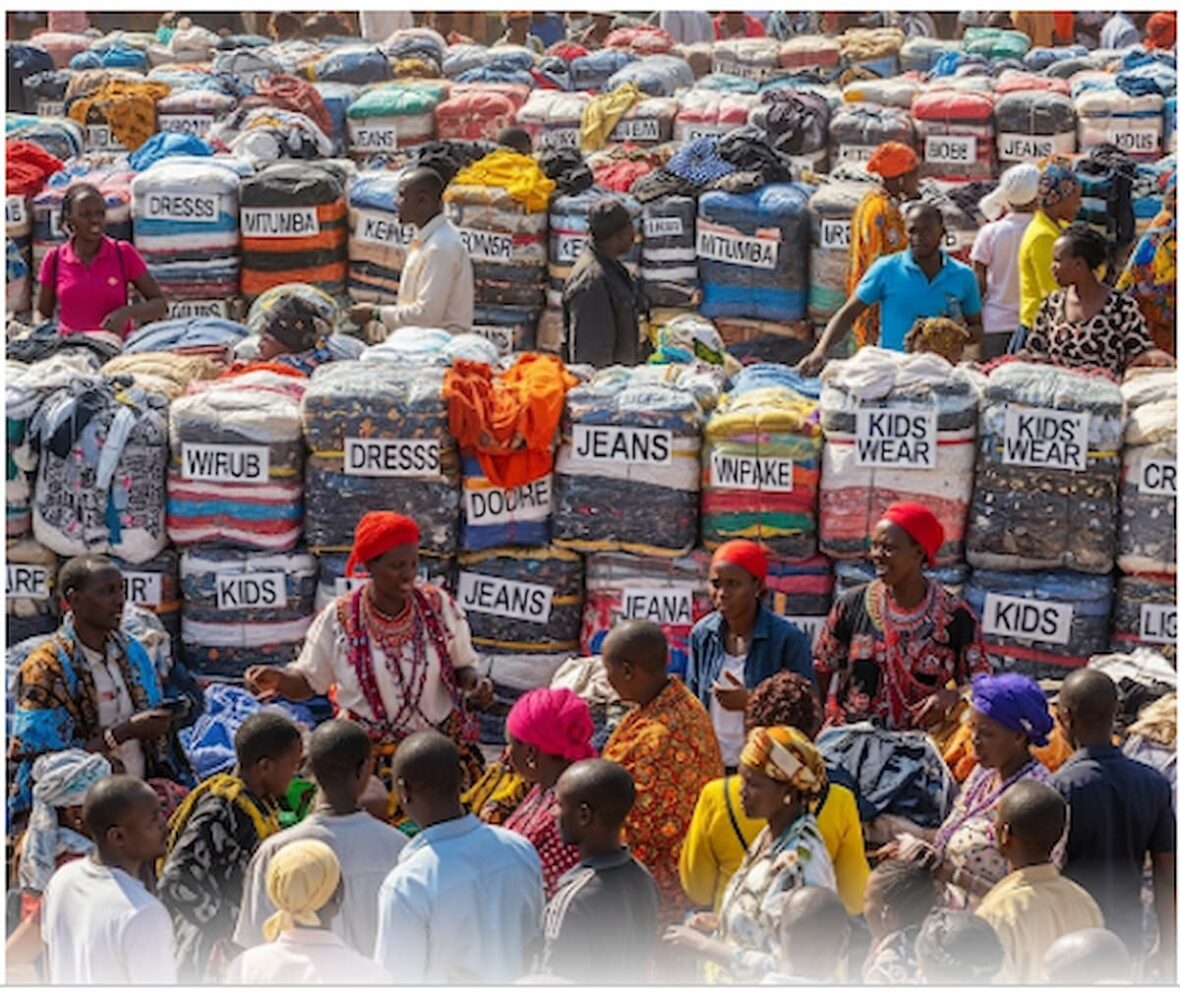
Claims that the Finance Bill 2026 introduces a new tax on mitumba clothing have sparked heated debate, prompting Kenya Kwanza leaders to come out and explain what the proposed law actually says. At the centre of the debate is Clause 31(a)(ix)(169), which deals with the Value Added Tax (VAT) treatment of worn clothing, commonly known as mitumba, sold within the country. According to the clause, the Finance Bill proposes to simplify the VAT treatment of the mitumba sector by ensuring that VAT is charged only at the point of importation, while domestic sales of the same goods are exempt from further VAT. In effect, VAT will be paid once when second-hand clothes enter Kenya. After that, traders selling the clothes in local markets will not be required to charge VAT on their sales. The proposal is intended to reduce the compliance burden on traders by ensuring that VAT is collected at a clear and verifiable point. It also removes the possibility of double taxation, making business easier for traders while reducing paperwork and helping them retain more of their earnings. For consumers, the proposal means there will be no additional VAT charged by local mitumba traders when purchasing clothes in markets. Despite the wording of the clause, claims emerged during parliamentary debate that the Finance Bill was introducing new taxes on mitumba clothing. The claims prompted a spirited defence of the Bill by Kenya Kwanza House leadership, led by National Assembly Majority Leader Kimani Ichung’wah, who dismissed suggestions that the proposed law contains punitive taxes targeting Kenyans. The leaders emerged from Parliament armed with details of the Bill, seeking to counter concerns that it would burden Kenyans with additional taxes. On his part, the National Assembly Finance Committee Chairperson and Molo MP, Kuria Kimani, was categorical that the Bill does not introduce a new tax on mitumba. “There is no taxation on mitumba. Ignore any propaganda on the increase of taxes on mitumba,” he stated. Speaking in Parliament on June 17, 2026, the Molo MP said extensive public participation had been conducted and that reports claiming increased taxation on second-hand clothing were inaccurate. “On the issue of mitumba, we have had extensive public participation and want to guarantee the members of the family that there is no imposed taxation on mitumba. So ignore all the propaganda and all the misinformation and disinformation that there is added taxation on mitumba. There is not, in our reports, any increase in taxation for mitumba,” Kimani said. Government leaders specifically accused opposition MPs, including Kathiani MP Robert Mbui, of spreading misinformation by claiming that the Finance Bill proposed new taxes on mitumba. Kimani further challenged critics of the Bill to identify the specific provision they were referring to, arguing that none had been able to point to a clause introducing additional taxation on second-hand clothing. “And even our members of the opposition, who are trying, and you saw that yesterday in the debate when we challenged them to tell us, to show us that clause in the bill that you are referring to, none of them were able to tell us which clause they were referring to,” he said. Ichung’wah echoed the position, maintaining that the Finance Bill 2026 does not introduce harmful taxes on Kenyans. “This Bill is not imposing any taxation that may be harmful to Kenyans,” Ichung’wah stated. Based on Clause 31(a)(ix) (169), the proposal does not introduce a new VAT charge on mitumba sold in local markets. Instead, it provides that VAT will be collected at importation while domestic sales of worn clothing remain exempt from further VAT.
Read More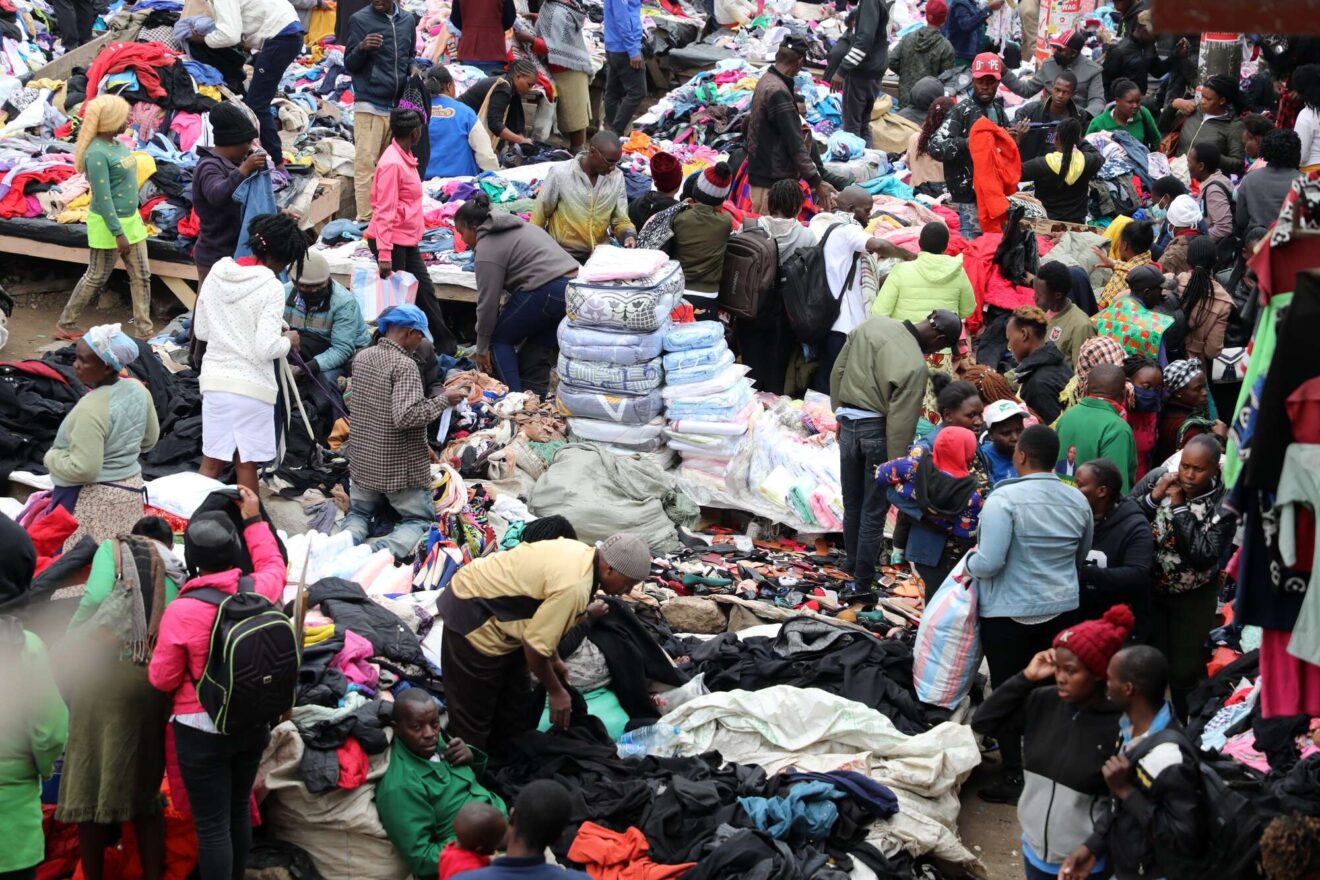
The Mitumba Consortium Association of Kenya (MCAK) on Thursday, May 15 launched an economic report revealing that Kenya spends more…
Read More Opinion