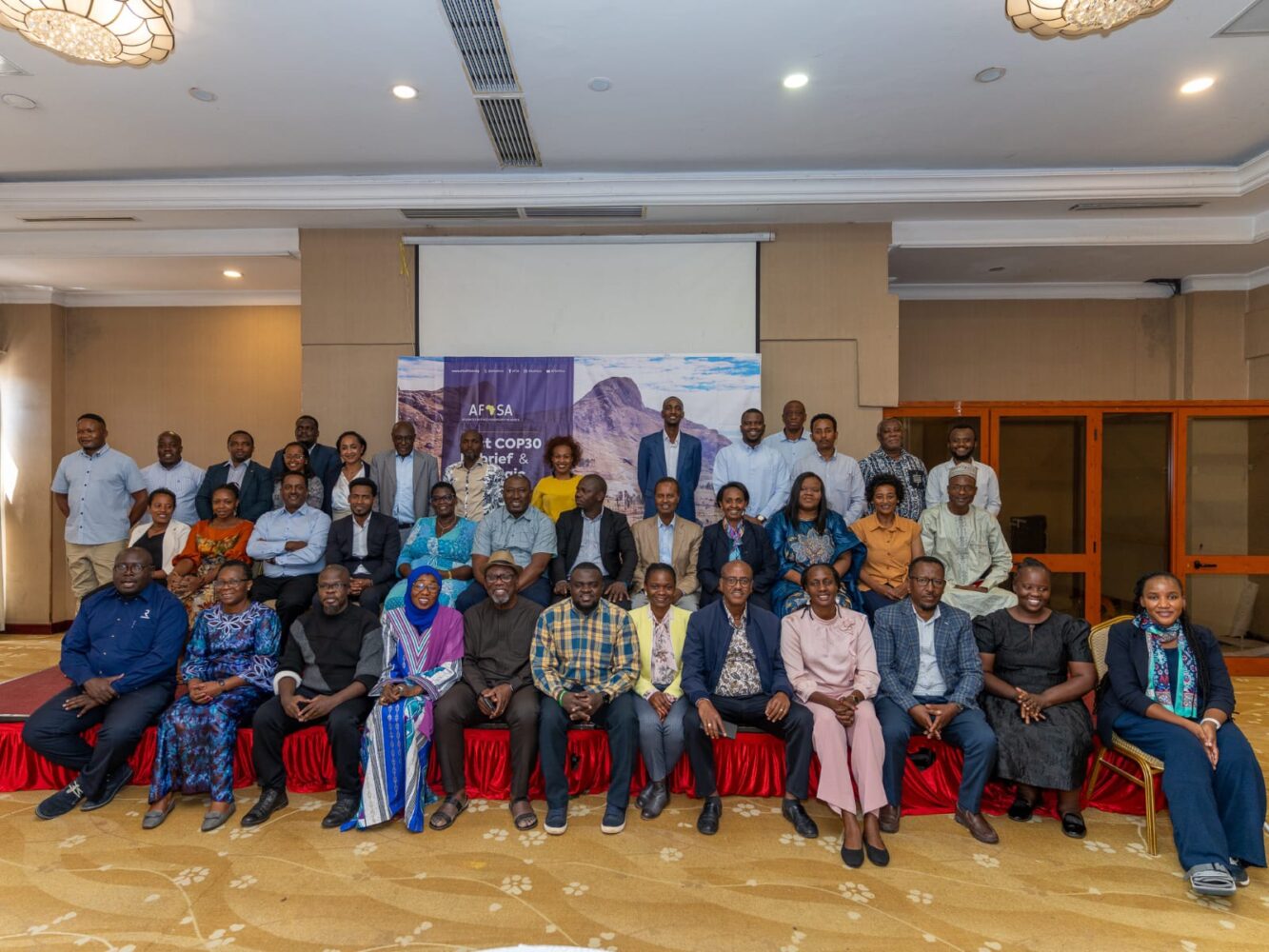


546 delegates convene in Cape Town to examine the future of cross-border payments, financial infrastructure, regulation and digital currencies across Africa.
The second edition of the Africa Stablecoin Summit, held on 12–13 November 2026 at the Baxter Theatre Centre in Cape Town, brought together 546 delegates from across Africa and beyond for two days of discussions on the growing role of stablecoins in Africa’s financial system.
Organized by Chasing Mavericks under the theme “Stablecoins at Scale: Institutional Adoption & Financial Infrastructure,” the Summit convened central banks, financial regulators, commercial banks, payment service providers,stablecoin issuers, fintech companies, investors and policymakers to examine what it will take to move stablecoins from emerging financial instruments into trusted, scalable financial infrastructure.
The gathering reflected a significant shift in industry conversations. Rather than focusing solely on the potential of stablecoins, discussions centred on their practical deployment within existing financial systems, including cross-border settlement, corporate treasury, local-currency payments, regulatory oversight and institutional risk management.
The Summit also marked the culmination of Chasing Mavericks’ 2026 Africa Stablecoin Series, which facilitated industry engagement across East, West and Francophone Africa.
Africa’s Stablecoin Opportunity Comes Into Focus
The conversations unfolded against a backdrop of rapid growth in global stablecoin adoption. According to figures referenced from DefiLlama, the global stablecoin market has expanded from approximately USD 5 billion in 2020 to around USD 290 billion, with US dollar-denominated stablecoins accounting for approximately 99% of the market.
For Africa, US dollar-denominated stablecoins (mainly USDT by Tether, the largest company in the digital asset industry) have emerged as an important tool for cross-border payments, access to dollar liquidity and international trade. As adoption expands, discussions are increasingly exploring how these solutions can complement emerging local-currency stablecoins, integrate with existing payment networks and support more efficient, accessible and interconnected financial systems across the continent.
Despite Africa’s extensive mobile-money infrastructure, cross-border transactions remain constrained by fragmented payment systems, reliance on offshore clearing arrangements, foreign-exchange inefficiencies and uneven regulatory frameworks. Throughout the Summit, participants explored how stablecoins could address some of these challenges while recognising that widespread institutional adoption will depend on regulatory clarity, reliable liquidity, strong governance, interoperability and consumer protection.
Key Developments and Discussions
Local-Currency Stablecoins and African Financial Infrastructure
In his opening keynote, “The Dollar Was Just the Beginning,” Gideon Greaves, Managing Director of Supercoin, examined the potential of African-currency stablecoins to support domestic and regional financial activity.
He announced developments involving the South African rand stablecoin ZARsc and the introduction of Supercoin Mint, which enables businesses to mint and redeem ZARsc against rand deposits. He also disclosed that Supercoin had submitted a licence application in Kenya as part of plans to introduce a Kenyan shilling stablecoin.
These developments contributed to wider discussions about the role of local-currency stablecoins in African payment systems and the regulatory and commercial requirements for their adoption.
Connecting Stablecoins to Africa’s Existing Payment Networks
Nikolai Barnwell, CEO of PawaPay, delivered a keynote titled “Beyond Settlement,” examining the gap between blockchain-based settlement and the payment infrastructure through which African consumers and businesses transact.
Drawing on PawaPay’s connections to more than 50 mobile-money operators across 23 markets, he highlighted the importance of interoperability between stablecoins, mobile money and domestic payment systems.
The discussion reinforced a recurring theme: blockchain settlement alone does not solve the challenges of cross-border payments without dependable local payment access, liquidity and integration with existing financial networks.
Banks, Institutions and the Future of Cross-Border Settlement
Banking and financial services executives examined how stablecoins could complement existing correspondent banking arrangements, improve settlement efficiency and support corporate treasury operations.
Sessions addressed the commercial realities of institutional adoption, including liquidity management, counterparty exposure, operational resilience, custody arrangements and the integration of digital assets into established banking processes.
Regulation, Compliance and Cross-Border Coordination
A closed-door Regulators Policy Roundtable provided a platform for engagement on licensing, supervision, regulatory coordination and the treatment of stablecoin activities across African jurisdictions.
Broader discussions explored AML/CFT obligations, financial crime prevention, taxation and the need for regulatory frameworks that support innovation without compromising financial stability or market integrity.
Building Institutional Trust and Accountability
Sessions on reserve assurance, financial reporting, custody and risk management examined the controls required before financial institutions and corporates can confidently hold or transact in stablecoins.
Participants also explored tokenisation and capital markets, particularly the potential role of stablecoins as settlement instruments for tokenised financial assets.