

- Kenya polls 136 votes, the highest of any African country, to keep its seat on the UN telecommunications agency’s governing council for 2027–2030.
DOHA, Qatar, 16th November, 2026 – Kenya has been re-elected to the Council of the International Telecommunication Union (ITU), one of the key policymaking organs of the United Nations specialized agency for digital technologies and telecommunications.
The win came in a highly competitive contest, with 19 African countries vying for the region’s 13 Council seats under Region D to the 48-member Council, which runs the affairs of the ITU in between the Plenipotentiary Conferences.
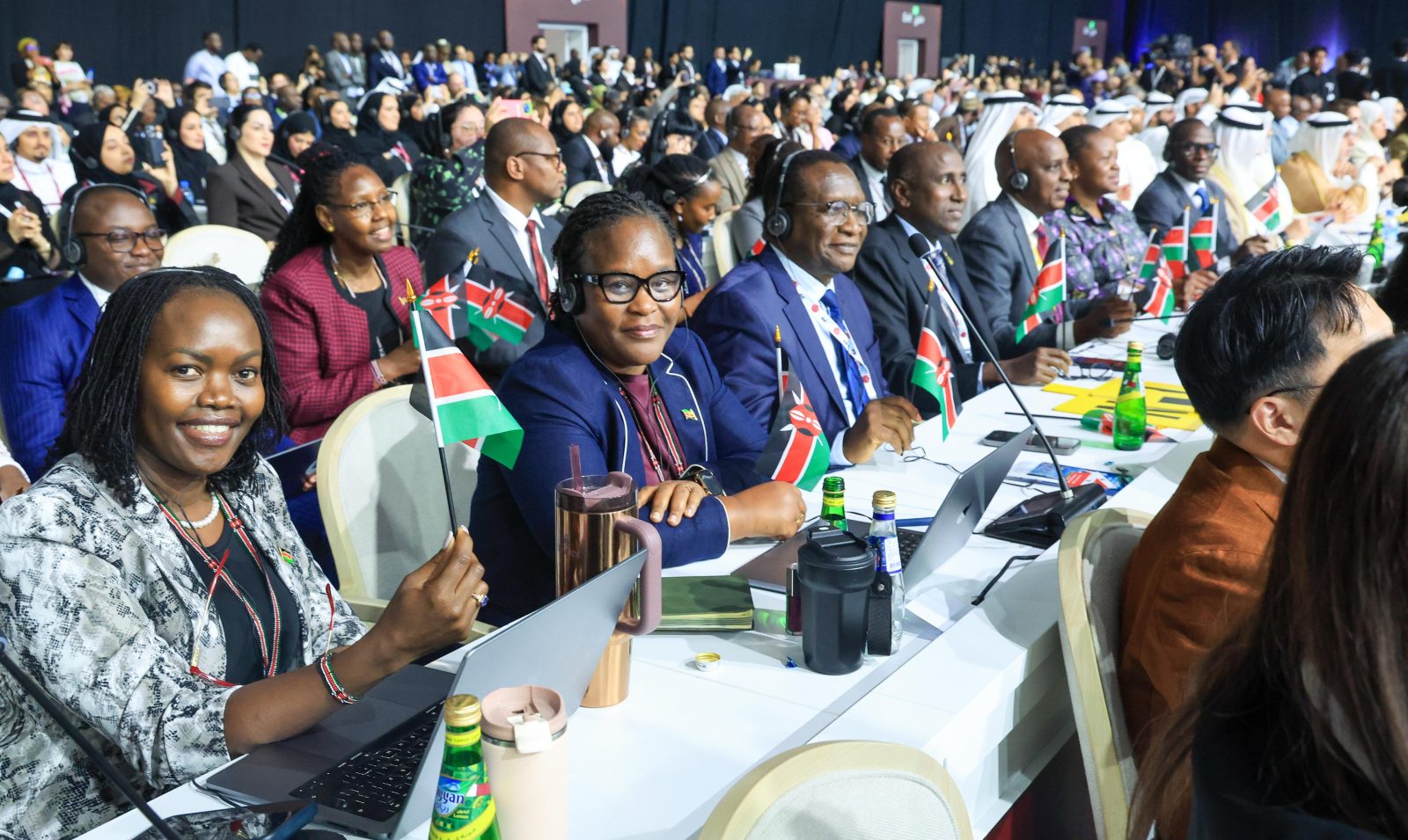
Kenya garnered 136 out of a possible 173 votes in the election held at the ITU Plenipotentiary Conference (PP-26) currently underway in Doha, the highest number recorded by any African country.
Kenya’s campaign was led by the Cabinet Secretary for Information, Communications and the Digital Economy, Hon. William Kabogo Gitau EGH, who delivered Kenya’s policy statement at the opening ceremony, and led the country’s engagement with member states during the campaign on the sidelines of the conference, which opened on 9 November and runs until 27 November.
The ITU Council guides the implementation of the ITU’s strategy, oversees its budget and shapes priorities ahead of the next conference.
Membership gives Kenya a direct voice in decisions on spectrum, satellite orbits, standards and development assistance, which ultimately affect the cost of mobile data, the reliability of internet services and the pace of 5G expansion.
The Doha result continues a strong run for Kenya at the ITU, and reflects sustained progress at home and leadership abroad.
In its policy statement, Kenya set out the priorities it will now carry into the Council:
- Meaningful and affordable access: Greater focus on last-mile connectivity, affordable devices.
- Resilient infrastructure: Stronger regional planning for undersea cables and cross-border fibre to reduce disruptions, building on Kenya’s leadership of the Connected Africa Secretariat.
- African AI capacity: Investment in regional data centres, AI models that understand African languages, and data governance that protects African interests.
- Fair access to spectrum and satellite resources: Equitable access to orbits and frequencies, and greater spectrum harmonization across Africa.
- Implementation over declarations: Translating WSIS+20 and Global Digital Compact commitments into practical outcomes.
For ordinary Kenyans, this re-election has practical implications for everyday life. Kenya’s voice in regional spectrum allocation can help make devices more affordable and accelerate 4G and 5G rollout.
Stronger cooperation on undersea cables can reduce internet disruptions affecting mobile money, eCitizen and everyday browsing. Kenya’s push for inclusive AI also seeks to ensure that emerging digital tools work in Kiswahili and other African languages.
For Kenyan businesses and the ICT industry, continued representation gives operators, internet service providers and startups early insight into emerging global standards and regulations, helping them plan investments with greater confidence.
It also strengthens Kenya’s standing as a regional digital hub, reinforces investor confidence and creates opportunities for Kenyan engineers and experts to contribute to international ICT standards development.
With the seat secured, attention now turns to translating this influence into tangible outcomes, particularly ensuring Kenya’s proposals are reflected in the ITU’s strategic and financial plans when PP-26 concludes on 27 November.
Kenya will build on this momentum when it hosts the Internet Governance Forum in Nairobi from 14 to 18 December 2026, where it will champion regional action on undersea cable resilience, AI capacity and inclusive digital governance.