

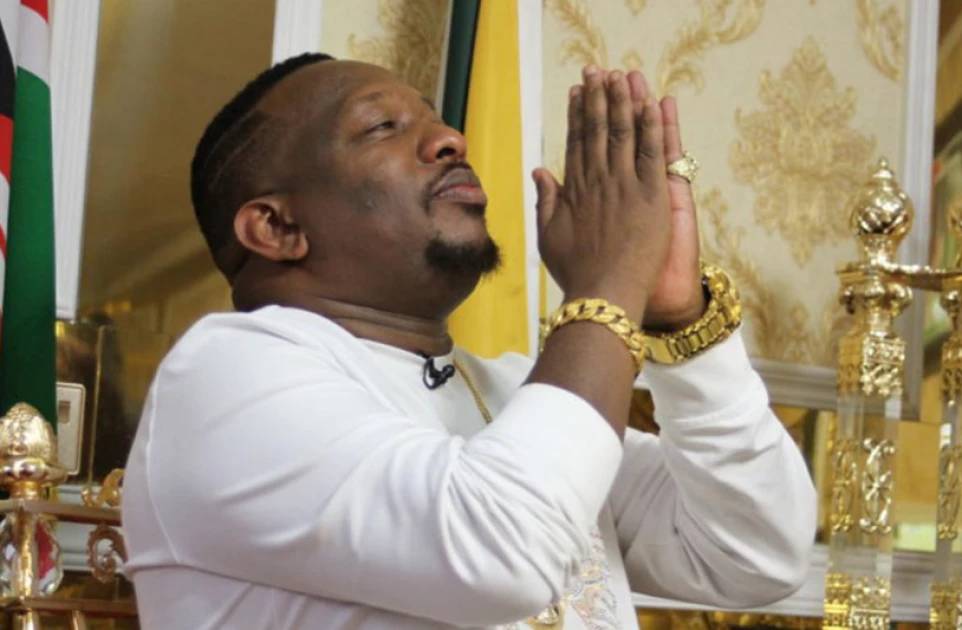
Former Nairobi Governor Mike Sonko has secured a significant legal reprieve after the Tax Appeals Tribunal ordered the Kenya Revenue Authority (KRA) to unfreeze his bank accounts, marking a dramatic turn in a week marked by court orders and regulatory scrutiny.
In orders issued on Friday, April 17, the Tribunal directed KRA to lift agency notices that had frozen multiple accounts held at Equity Bank Kenya Limited, granting Sonko access to his funds pending the hearing and determination of his tax appeal.
The decision, reached by consent of both parties, follows earlier interim orders issued on April 14 that had temporarily barred KRA from enforcing the same agency notices. At the time, the Tribunal had certified the matter as urgent, halting any enforcement action including account freezes until an inter partes hearing scheduled for April 17.
Friday’s ruling now cements that temporary relief, allowing Sonko breathing room as the substantive tax dispute proceeds.
The developments come just a day after the Central Bank of Kenya (CBK) opened a probe into Equity Bank over allegations that it failed to comply with a High Court order to lift restrictions on accounts linked to the former governor.
In a letter dated April 16, CBK confirmed it had received a formal complaint accusing the bank of defying a directive issued by the High Court’s Anti-Corruption and Economic Crimes Division and Court of appeal in a case involving the Asset Recovery Agency and Sonko.
The regulator said it had sought clarification from the bank and would provide a comprehensive response once investigations are complete.
The sequence of events underscores the complexity of Sonko’s legal battles, which now span tax disputes, court enforcement orders, and regulatory oversight of financial institutions.
While the Tribunal’s latest decision offers immediate relief, the broader case remains unresolved, with the final determination expected to address the legality of KRA’s tax claims and enforcement actions.
Meanwhile, the CBK probe into Equity Bank adds another layer of scrutiny, potentially shaping how banks respond to court orders in high-profile financial disputes.