Four years ago, David Chacha was running errands in Nairobi while his expectant wife was in Migori town when he received a phone call informing him that she had given birth.
Overwhelmed with excitement, Chacha’s first question was simple: Was it a boy or a girl?
But the response he received left him shocked.
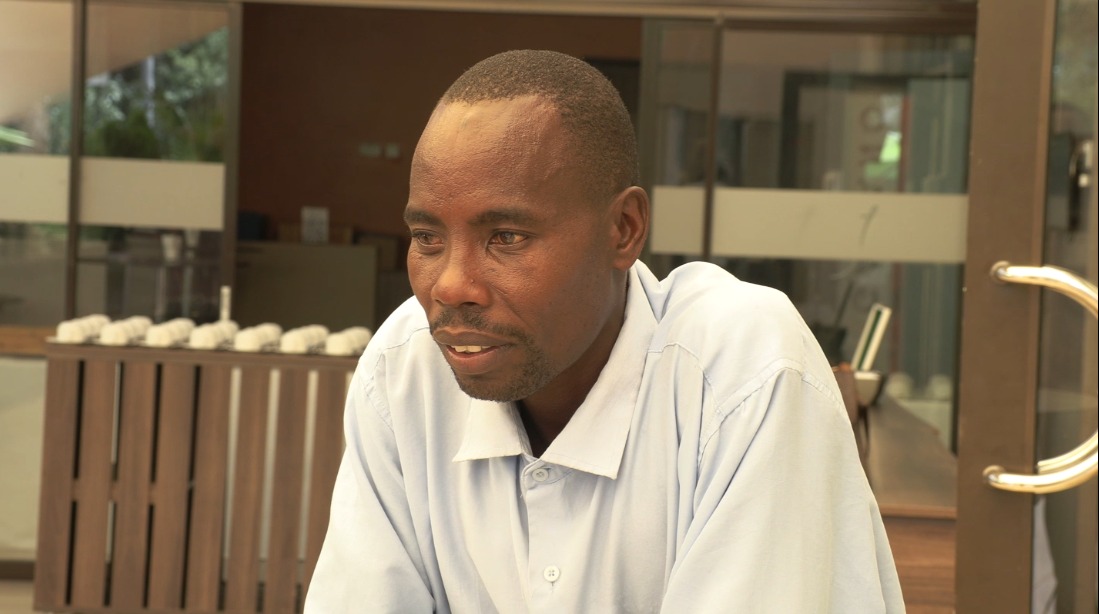
“The health providers informed me that my wife had successfully delivered, but they could not tell whether my baby was a boy or a girl. They told me they were optimistic that perhaps the gender would become clear as the child grew older. One month later, I rushed home to understand what was going on, and that is when I saw my child had two reproductive organs,” recalls Chacha, the father of an intersex child.
The child, Elisha, only began walking at the age of three.
Initially, Chacha considered having Elisha undergo surgery but later changed his mind, partly because of financial constraints and also to give the child an opportunity to grow up and make decisions about their gender.
“Previously, my child experienced pain whenever he went to the washroom, but with time, that pain became less severe,” says Chacha.
His experience reflects some of the difficult decisions families with intersex children face, particularly when it comes to medical interventions and allowing children the freedom to make decisions about their bodies.
“We are trying to push for amendments to the Children’s Act on surgical procedures involving intersex persons. We also want the Government to take it a notch higher and provide guidelines on how intersex children can access emergency healthcare procedurally within Kenya,” says Matiko Magera, an Advocate of the High Court.
A struggle for identity and acceptance
(Singing: Nchi zingine, hazitutambui, nchi zingine zinatubagua… Nchi zingine zinatutenga…)
The song captures a cry for inclusivity, justice and recognition. It reflects the struggles of people whose identities are often misunderstood and whose experiences expose the difficulties of living in a society that largely recognises only male and female identities.
For some parents, the journey towards understanding their children’s identities begins with confusion, followed by difficult decisions about their upbringing.
“When Frank was born, he looked perfectly okay. I was certain that he was a boy. I even bought him trousers and shirts that matched what I believed was his gender. However, as he grew up, we noticed something was different. He used to stand while urinating. The mother was certain Frank was a boy, but little did she know that Frank was, in fact, a girl,” says David Odongo, a parent of an intersex child.
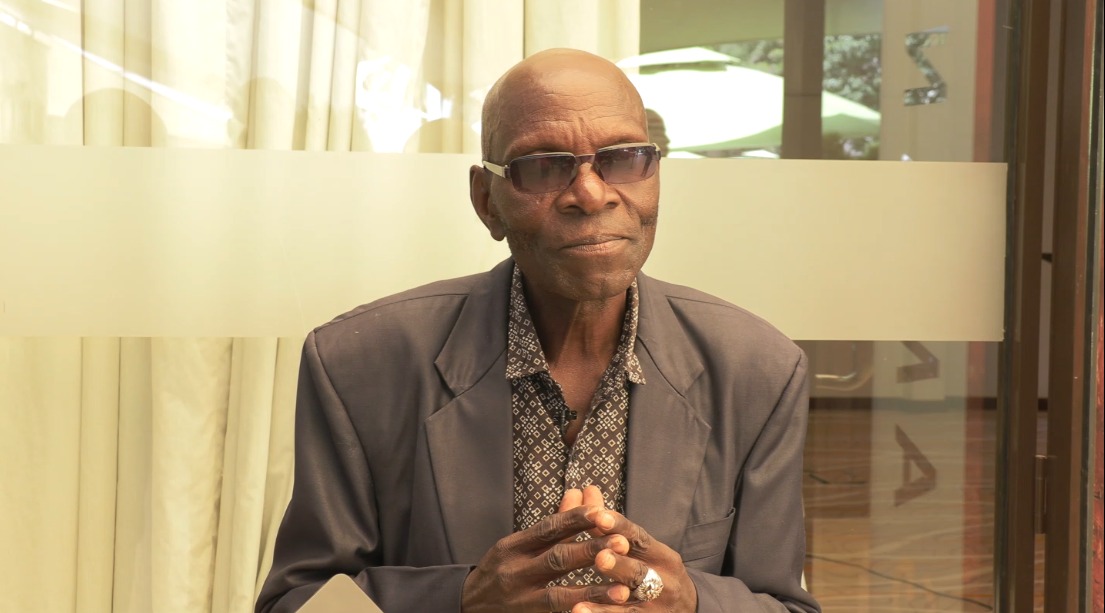
Odongo, a father of eight, says Frank had embraced his masculinity, making the family’s subsequent decisions about gender and identity particularly challenging.
“When we wanted to change Frank’s dress code to female clothing, Frank was not comfortable with the idea. We now want Frank’s name changed to Fleshia. Frank is slowly but surely accepting her new gender, female,” says Odongo.
Healthcare challenges and discrimination
Beyond the struggles surrounding identity and acceptance, intersex people in Kenya continue to face stigma and discrimination in different aspects of their lives.
Finding employment can be difficult, with prejudice often becoming an obstacle for those seeking opportunities. Accessing appropriate healthcare is another major challenge, with some intersex people struggling to receive accurate diagnoses and treatment.
Mary, not her real name, recounts losing a friend to cervical cancer after difficulties in diagnosing the condition.
“Years back, I lost my friend to cervical cancer. She was an intersex person just like me. This was a challenge because no medical professional could quickly diagnose the disease. My friend was born with two reproductive organs, both male and female, but it was the female organ that was bleeding,” she explains.
Her account highlights the need for healthcare providers to understand variations in sex characteristics and offer medical services that respond to the individual needs of intersex patients.
What research says about intersex healthcare
The challenges experienced by intersex people are also reflected in international research examining how healthcare systems respond to variations in sex characteristics.
A June 2023 study by researchers at Boston University Chobanian & Avedisian School of Medicine highlighted the need for a fundamental shift in how healthcare providers understand and approach intersex variations.
The study raised concerns about the historical treatment of intersex infants and children, particularly non-consensual genital surgeries intended to make their bodies conform to conventional male or female characteristics.
“This is a community that has been greatly harmed by the healthcare system and the false ideas that sex and gender exist as a strict binary. One such example is how many intersex infants and children are subject to non-consensual ‘normalizing’ genital surgeries, which have been shown to cause both physiological and psychological harm,” explained Kimberly Zayhowski, the study’s corresponding author and an assistant professor of obstetrics and gynecology.
Researchers conducted and analysed 15 interviews with members of the intersex community, examining their experiences with healthcare providers and their recommendations for improving medical care.
The findings identified areas where intersex people had experienced medical trauma and emphasised the importance of adopting trauma-informed approaches to healthcare.
Participants also called for greater acceptance of intersex variations and the inclusion of comprehensive lessons on intersex history and medical care in medical training curricula. Such changes, the researchers noted, would reduce the burden placed on patients to become their own medical experts and advocates.
The researchers also highlighted concerns surrounding the terminology used in medical settings.
“Sometimes physicians will use the term ‘disorders of sex development’ (DSD) to describe intersex variations, but the intersex community has largely rejected this language because it is pathologising,” said Darius Haghighat, the study’s first author and an assistant professor of obstetrics and gynecology at the school.
Understanding intersex variations
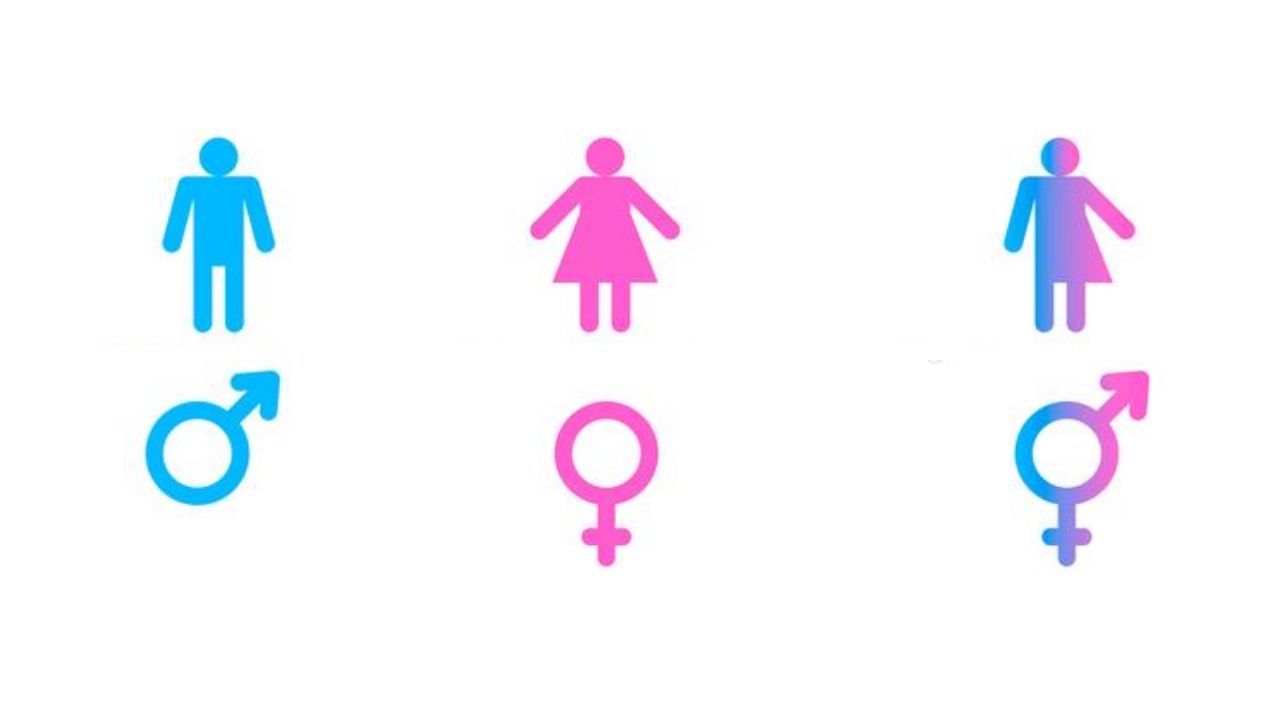
Intersex people are born with sex characteristics, including reproductive organs, genitals, chromosomes or hormone patterns, that do not fit typical definitions of male or female bodies.
Intersex variations can occur naturally and may be identified at birth, during puberty or later in life. Some may also remain undiscovered.
Estimates commonly suggest that approximately 1.7 per cent of the global population has intersex traits, although the figure varies depending on the definition and characteristics used.
According to the Cleveland Clinic, some variations can be associated with genetic changes, including those affecting androgen hormone receptors. Others may result from hormone exposure during embryonic development or genetic conditions that affect hormone levels involved in genital development.
Legal gaps and the struggle for recognition
In Kenya, the challenges facing intersex people extend beyond healthcare and social acceptance to include gaps in the justice system, particularly within correctional facilities.
Although stakeholders acknowledge progress in addressing these concerns, questions surrounding the placement and treatment of intersex people in detention facilities remain significant.
Cyrus Maweo of the Kenya National Commission on Human Rights (KNCHR) recalls a case in which an intersex inmate was denied admission to Lang’ata Women’s Prison because officers were uncertain about whether the individual should be placed in a male or female correctional facility.
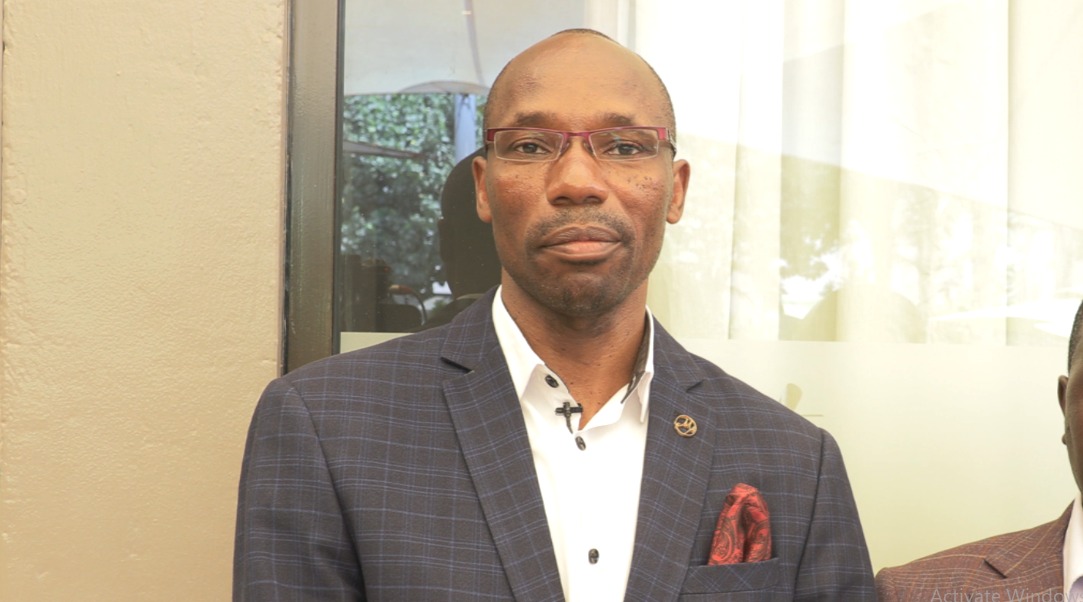
“We have one case in mind where an inmate was denied entry to Lang’ata Women’s Prison. They had to be taken back to Kilimani Police Station, where they were being held at the report office, because the officers did not know whether to hold the inmate at the male or female prison. Fortunately, the matter was resolved through an alternative justice system,” says Maweo.
Efforts are, however, being made to improve the situation.
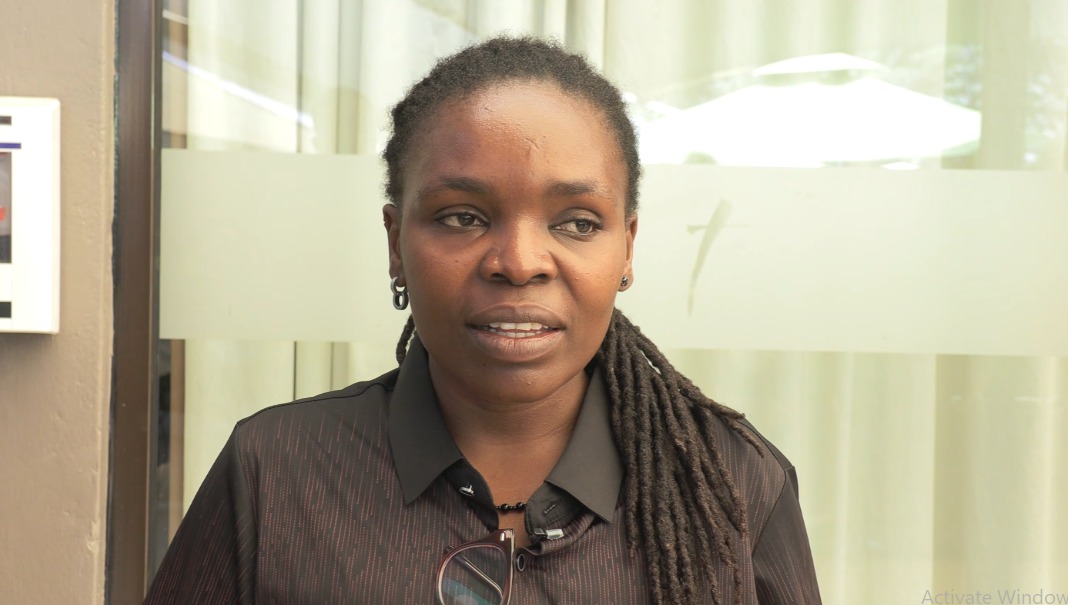
Mwese Kibebe of the World Post Changers Network says assessments have been conducted to establish whether police stations have facilities that accommodate intersex persons.
“We were mandated to visit police stations within Homa Bay County to confirm whether inclusive cells were available. Instead of having two cells, there are now four categories: male, female, children and intersex,” says Kibebe.
According to the 2019 Kenya Population and Housing Census, the country had 1,524 people identified as intersex.
While the census marked an important step towards recognising this population, stakeholders say acknowledgement alone is not enough without policies and legal protections that guarantee their rights.
One of the proposed interventions is the National Intersex Persons Bill, 2023, which is currently before the Office of the Attorney General.
The proposed legislation seeks to provide for the recognition, protection and safeguarding of the human rights of intersex persons in Kenya. However, it is yet to be enacted into law.
Maweo says public participation will be important in shaping legislation that addresses the needs and concerns of intersex people.
“But I believe that in a country that believes in public participation, one of the key things is that when these laws are being enacted, they should be presented to the people so that they can have an input and a say on what needs to be provided for in that Bill,” says Maweo.
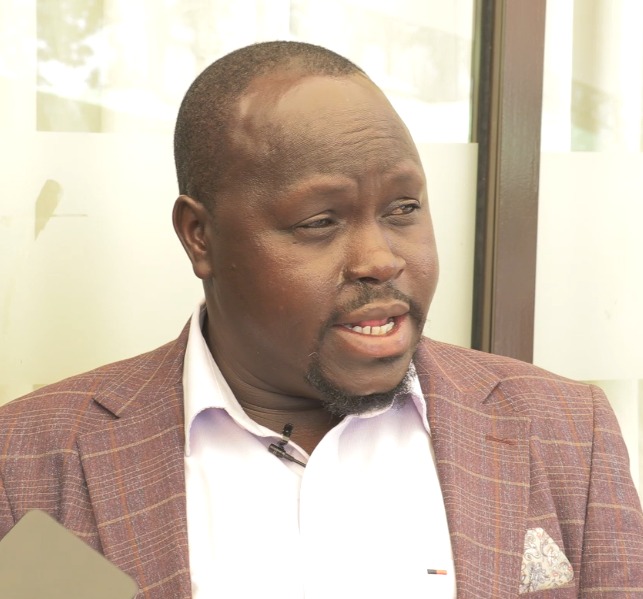
KNCHR Deputy Director Laban Cheruiyot says the Commission has already engaged Parliament in efforts to advance the proposed legislation.
“The Commission has already met with the Parliamentary Committee on Justice and Legal Affairs in a bid to get their buy-in so that we can see this Bill see the light of day,” says Cheruiyot.
Despite the outstanding legal and social challenges, Kenya has made some progress in recognising and protecting intersex people.
The Children’s Act, 2022, provides for the rights of intersex children, including the right to be treated with dignity and to receive appropriate medical treatment, special care, education and inclusion in social protection programmes.
However, stakeholders argue that more needs to be done to translate these protections into practical safeguards, particularly regarding medical procedures, access to healthcare, education and protection from discrimination.
For parents such as Chacha and Odongo, the struggle is not simply about identifying whether a child is male or female. It is also about ensuring that their children grow up in an environment where they are accepted, protected and allowed to make decisions about their own identities.
Until that happens, the calls for recognition, dignity and inclusion will remain central to the experiences of intersex people in Kenya.