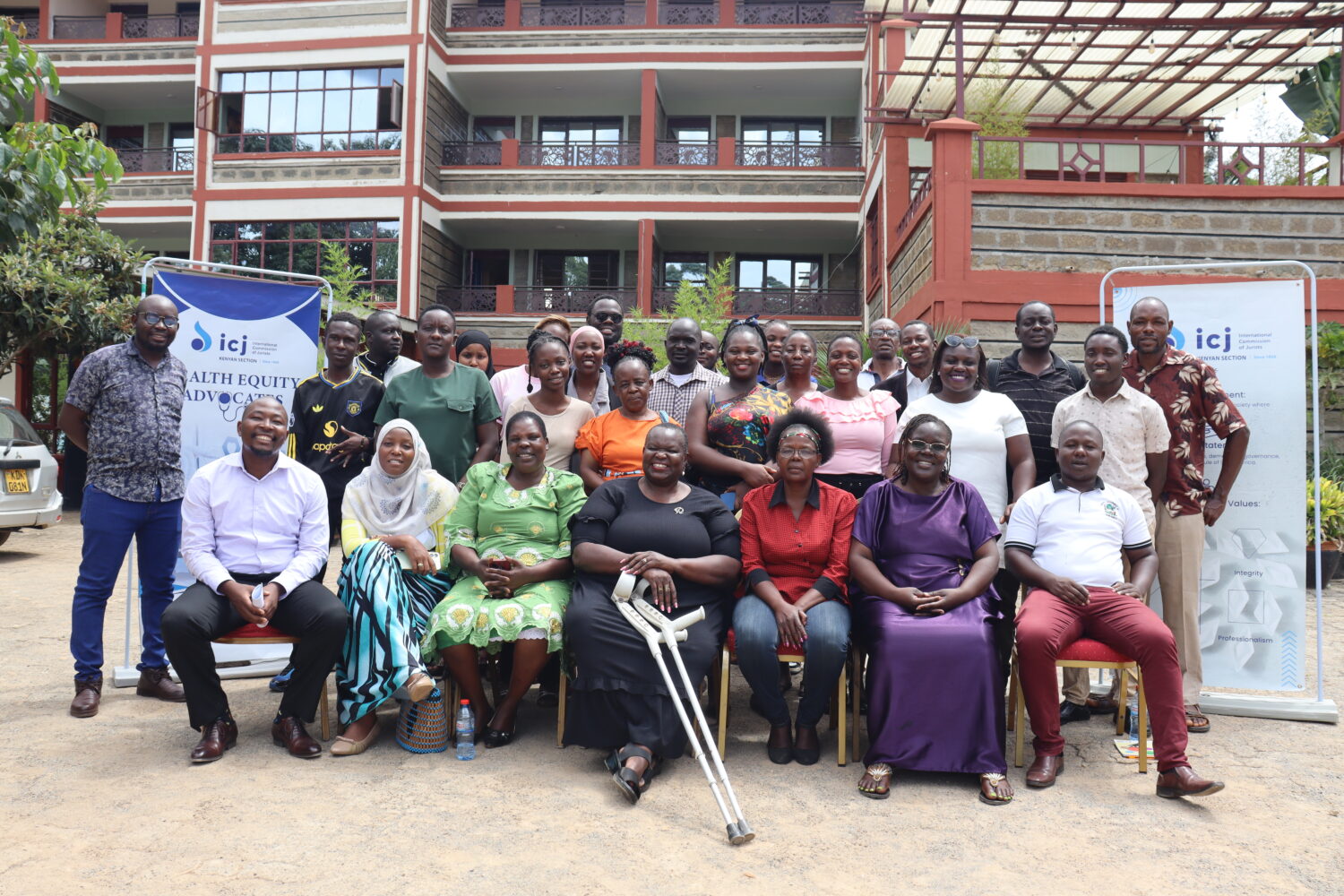
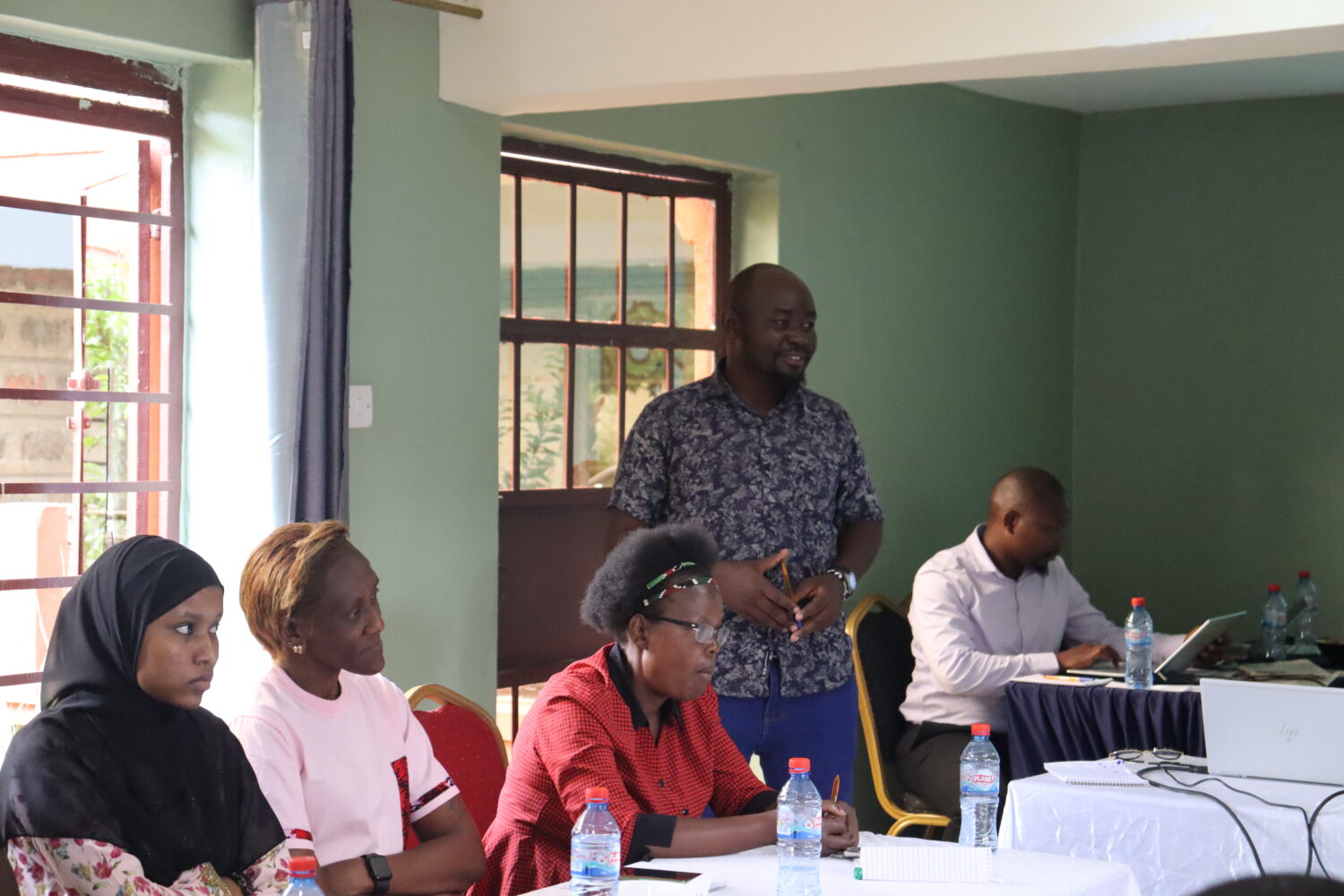
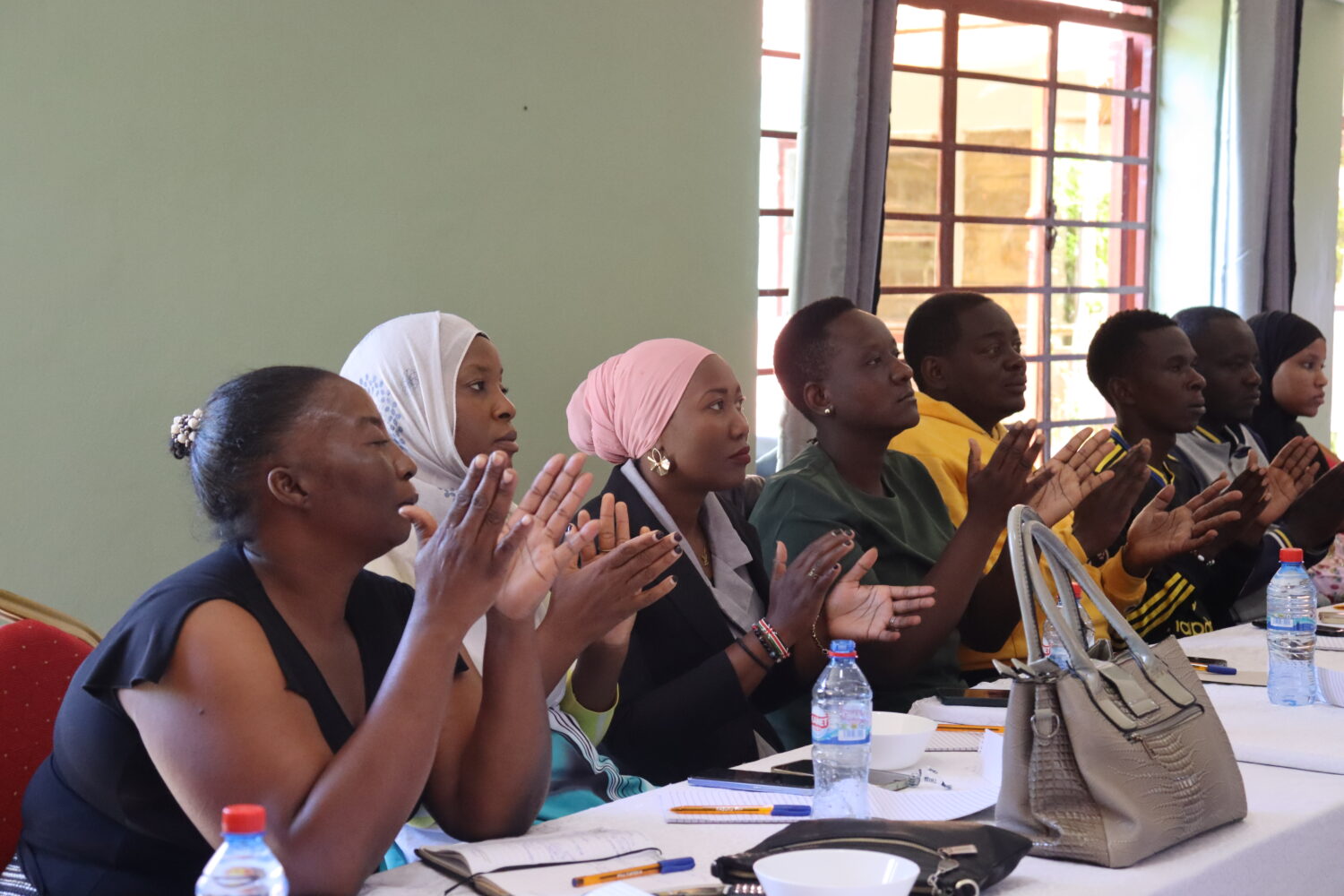
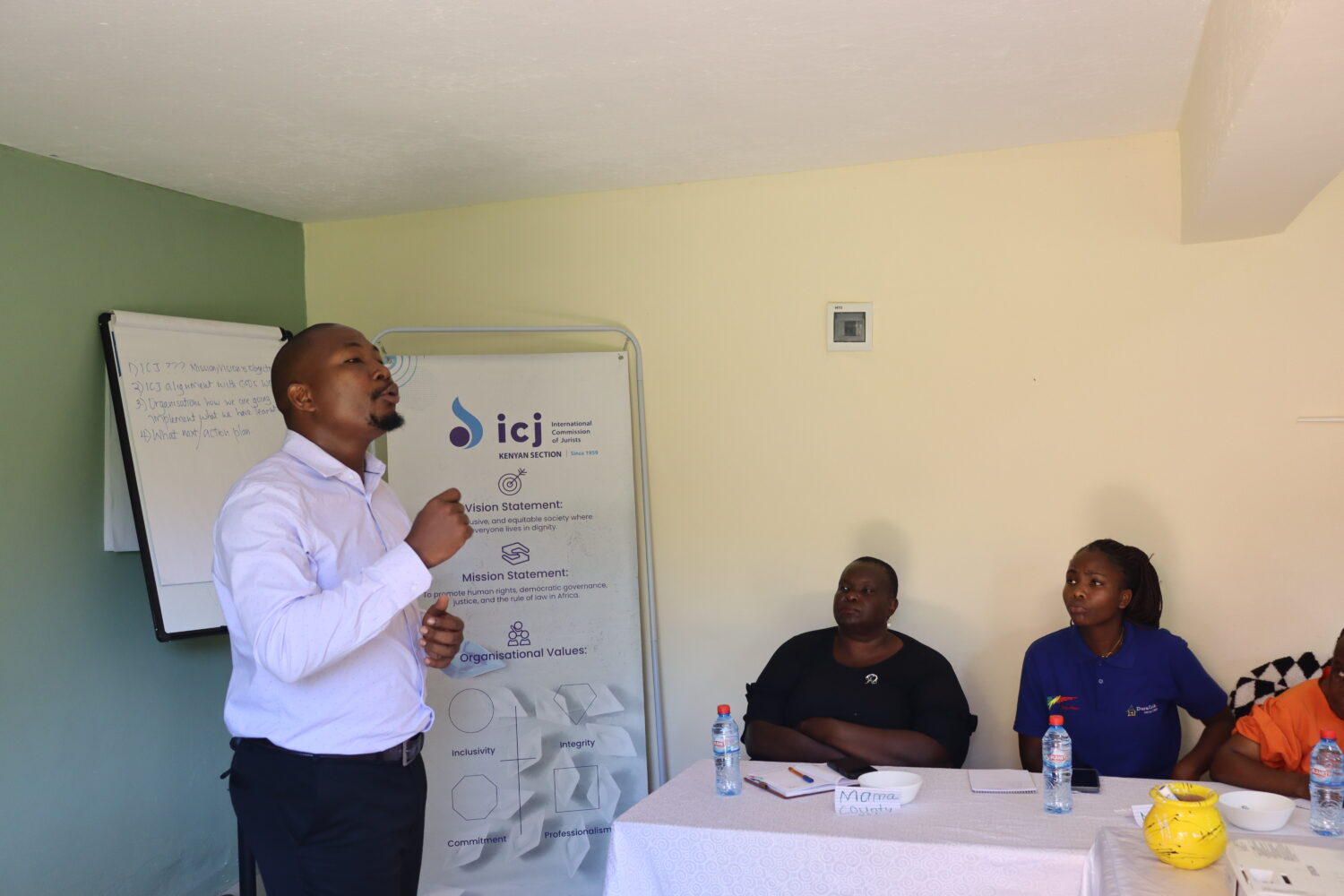
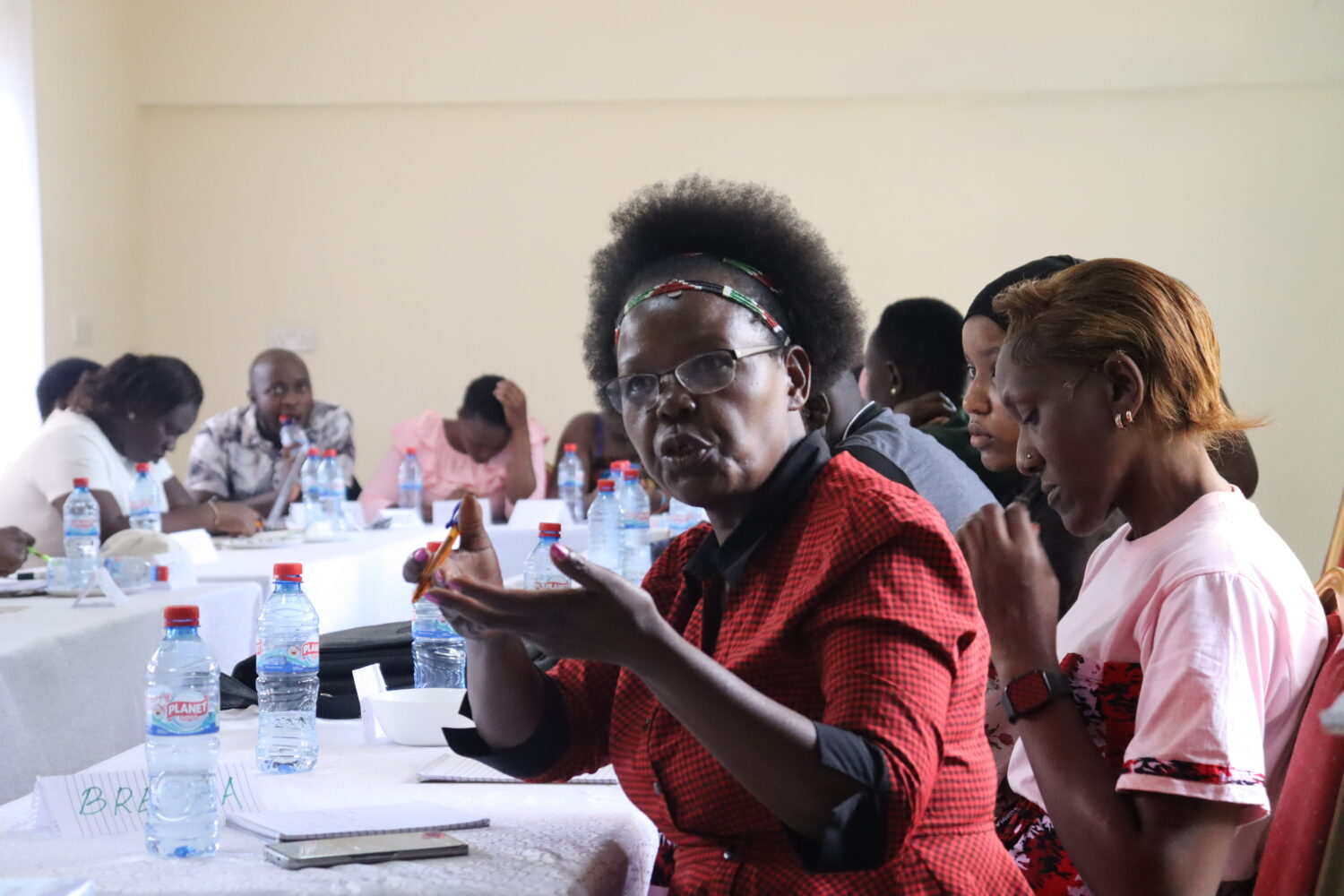
Civil society Organisations (CSOs) have been urged to take a more active and informed role in shaping Kenya’s health sector reforms, following a high-level capacity-building engagement held in Kakamega County from April 22–24, 2026.
The engagement, convened by the International Commission of Jurists (ICJ Kenya), brought together representatives from CSOs, health advocacy groups, and legal aid actors to strengthen their capacity for policy advocacy, promote accountability, and enhance public participation in healthcare decision-making.
This comes at a critical time as Kenya implements key health sector reforms to advance Universal Health Coverage (UHC), including the Social Health Insurance Act, the Primary Health Care Act, the Digital Health Act, and the Facility Improvement Financing Act.
While these reforms have been a major step towards strengthening healthcare systems, the stakeholders noted that there are still several challenges in public participation, weak accountability mechanisms and minimal coordination at both the national and county levels.
“Public participation in health governance is not a favour. It is a constitutional imperative”, said ICJ Kenya programme officer, Mr Geoffrey Odhiambo.
“Civil society organisations play a crucial role in ensuring that health policies translate into real benefits for citizens,” participants noted. “However, many organisations still face capacity gaps in legislative engagement and evidence-based advocacy.”
During the two-day engagement, the representatives from the CSOs discussed different ways and practical skills focused on public participation processes and oversight mechanisms, and the use of data and lived experiences to influence policy.
Public participation is essential in a devolved system like Kenya’s, where counties play a critical role in healthcare delivery. They encouraged CSOs to actively engage in budget hearings, legislative processes, and community forums to ensure that health priorities reflect the needs of citizens.
“The public, and that includes us, should be alert and participate in these kinds of forums and discussions because it is what will change our country,” said one participant.
The two-day engagement culminated with a radio conversation at Lubao FM, aimed at further sensitization of community members.
This is part of ICJ Kenya’s efforts to promote the rule of law, champion democratic governance, and advance justice.
Moving forward, as Kenya continues to reform its health sector, stakeholders agree that empowering civil society organizations will be key to ensuring that these changes result in accessible, equitable, and quality healthcare for all.