
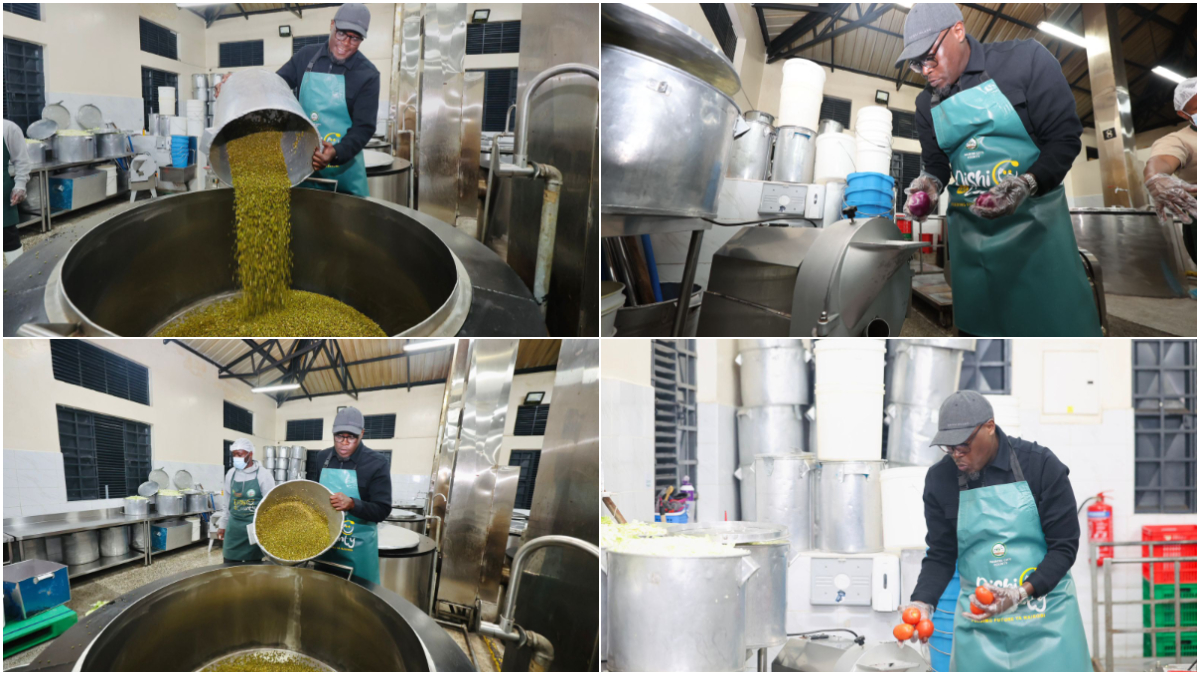
Three years after the launch of Dishi na County, Nairobi’s flagship school feeding programme is approaching a major milestone, with the 100 millionth meal expected to be served and celebrated this November.
So far, 85 million meals have been served to children across the capital, with more than 324,000 children receiving meals every school day across Nairobi’s 17 constituencies.
The programme has become one of the largest and most visible social interventions undertaken by the Nairobi City County Government.
The journey, however, has not been without challenges. Dishi na County has faced legal battles, questions over its implementation and attempts to halt the programme. But three years on, it has continued to expand and, for thousands of Nairobi families, has become part of the everyday school experience.
For many parents, particularly those juggling work and the rising cost of living, the programme has eased one of the most basic worries of the school day: whether their children will have something to eat.
Governor Sakaja Johnson says that reality informed the county’s decision to establish the programme in the first place.
“When we looked at Nairobi, we found that nearly one in every four learners was going to school without food or missing meals altogether. We could not accept a situation where hunger was standing between a child and their education.”
For Sakaja, the intervention was never simply about serving food. It was about giving children a fair chance to learn.
“We did not want hunger to be the reason a child could not concentrate in class, could not stay in school or had to learn on an empty stomach. Dishi na County was our commitment that every child deserves the dignity of a meal while pursuing their education.”
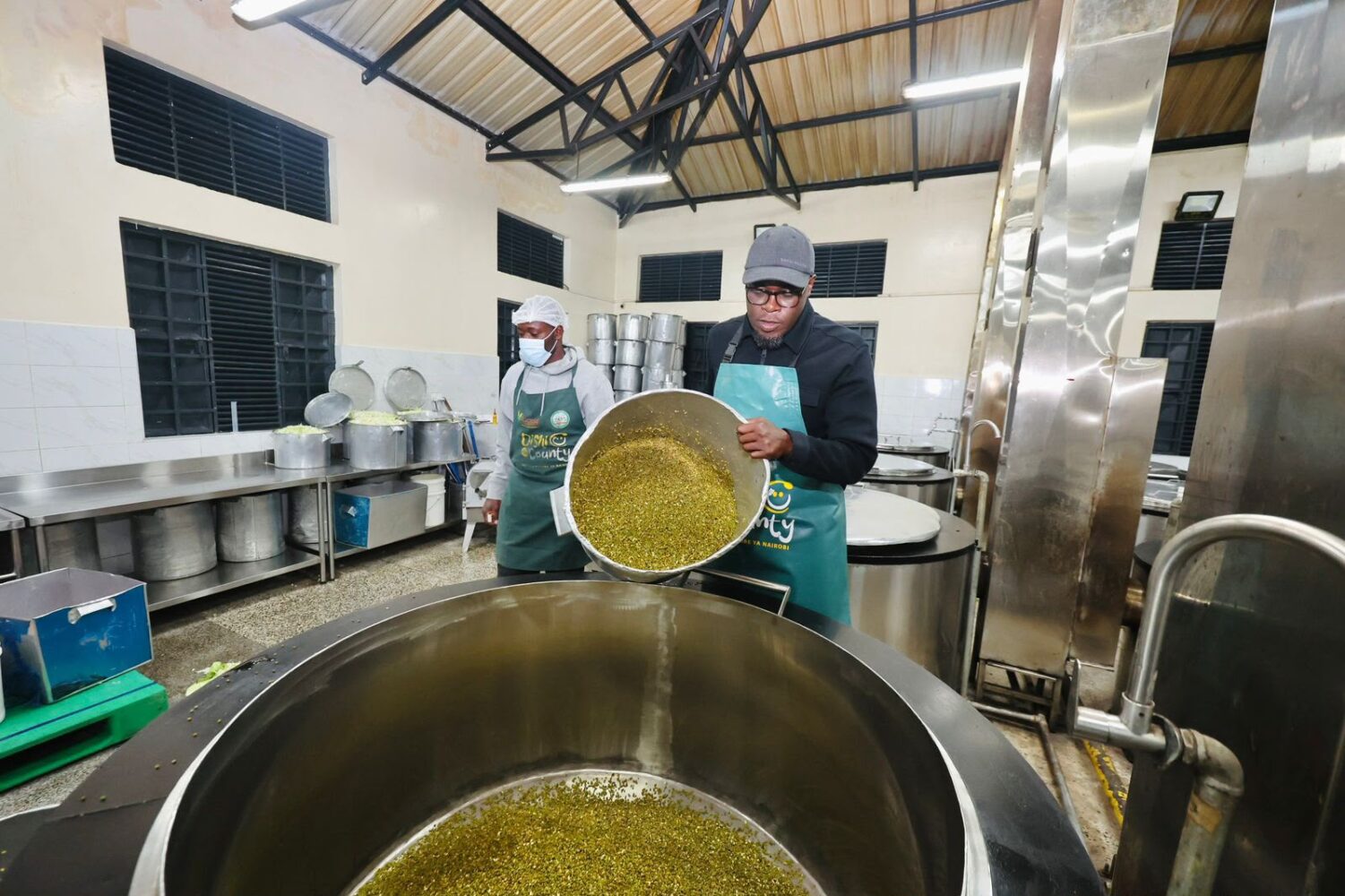
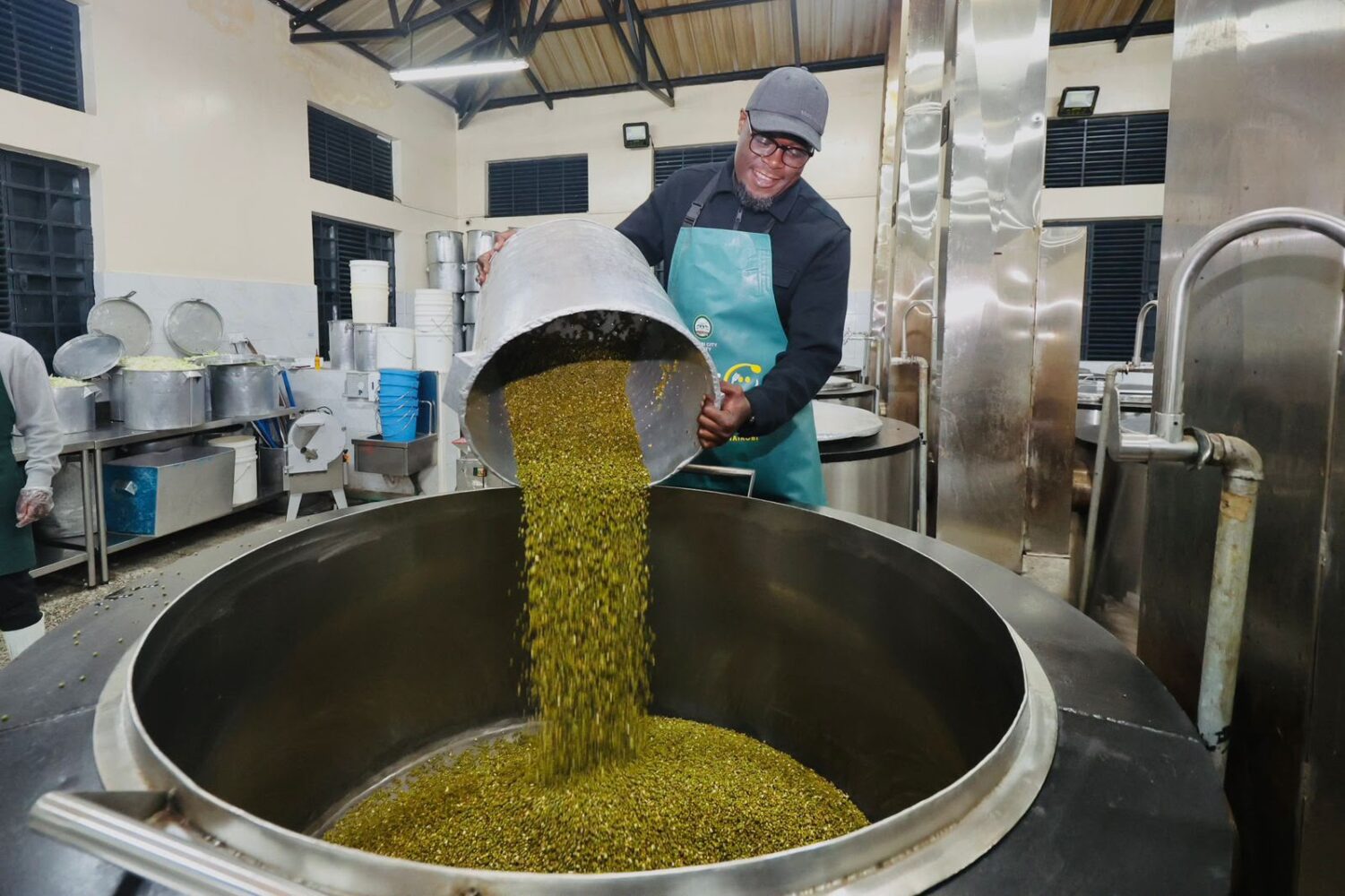
Through a network of 17 central kitchens serving the city’s 17 sub-counties, meals are prepared and distributed to public schools, reaching more than 324,000 children every school day.
The scale of the programme is perhaps best captured by its latest milestone.
“Eighty-five million meals later, and this November we shall celebrate 100 million meals. We can look back and see what collective action can achieve,” Governor Sakaja Johnson said. “Today, 324,000 children are being fed every school day across all 17 constituencies. But behind that number are individual children who can sit in class knowing that they will have a meal.”
Nairobi County Executive Committee Member for Health, Wellness and Nutrition Suzanne Silantoi says the impact extends beyond the classroom and into thousands of Nairobi households.
“With just Sh5, a school-going child is assured of a nutritious meal. For parents who are out working and providing for their families, that is one less thing to worry about during the day. They know that while their child is in school, they will eat,” Silantoi said.
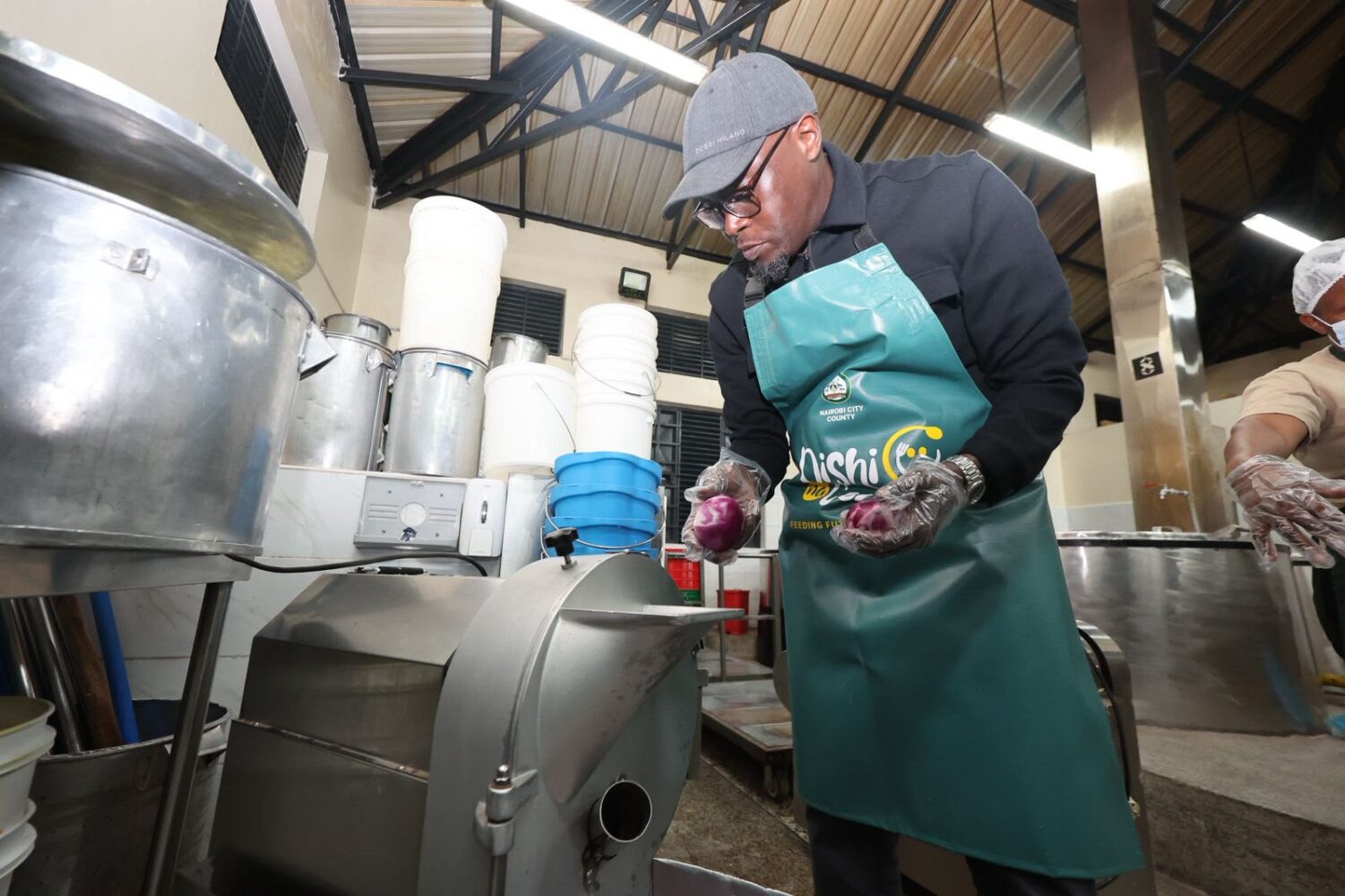
She says Dishi na County has also changed the way the city approaches school hunger—from viewing it solely as a challenge for individual households to recognising it as a wider social and development issue.
“When a child is hungry, it affects their ability to learn. It affects attendance, concentration and ultimately their opportunity to succeed. Feeding children is therefore not just a welfare intervention; it is an investment in Nairobi’s human capital.”
Next Phase: Taking Dishi na County to Day Secondary Schools
With the programme now firmly established in public primary schools, Sakaja says the county is preparing to take the next step by extending school feeding to public day secondary schools and other underserved learners across the city.
According to the Governor, the expansion is feasible because the cost of feeding a child in a public day secondary school is estimated at about 65 per cent of the cost of the current Dishi na County programme.
“The cost of day secondary school feeding is about 65 per cent of what we are currently spending on Dishi na County, so it is something we can achieve. We shall now put day secondary schools into the programme,” Sakaja said.
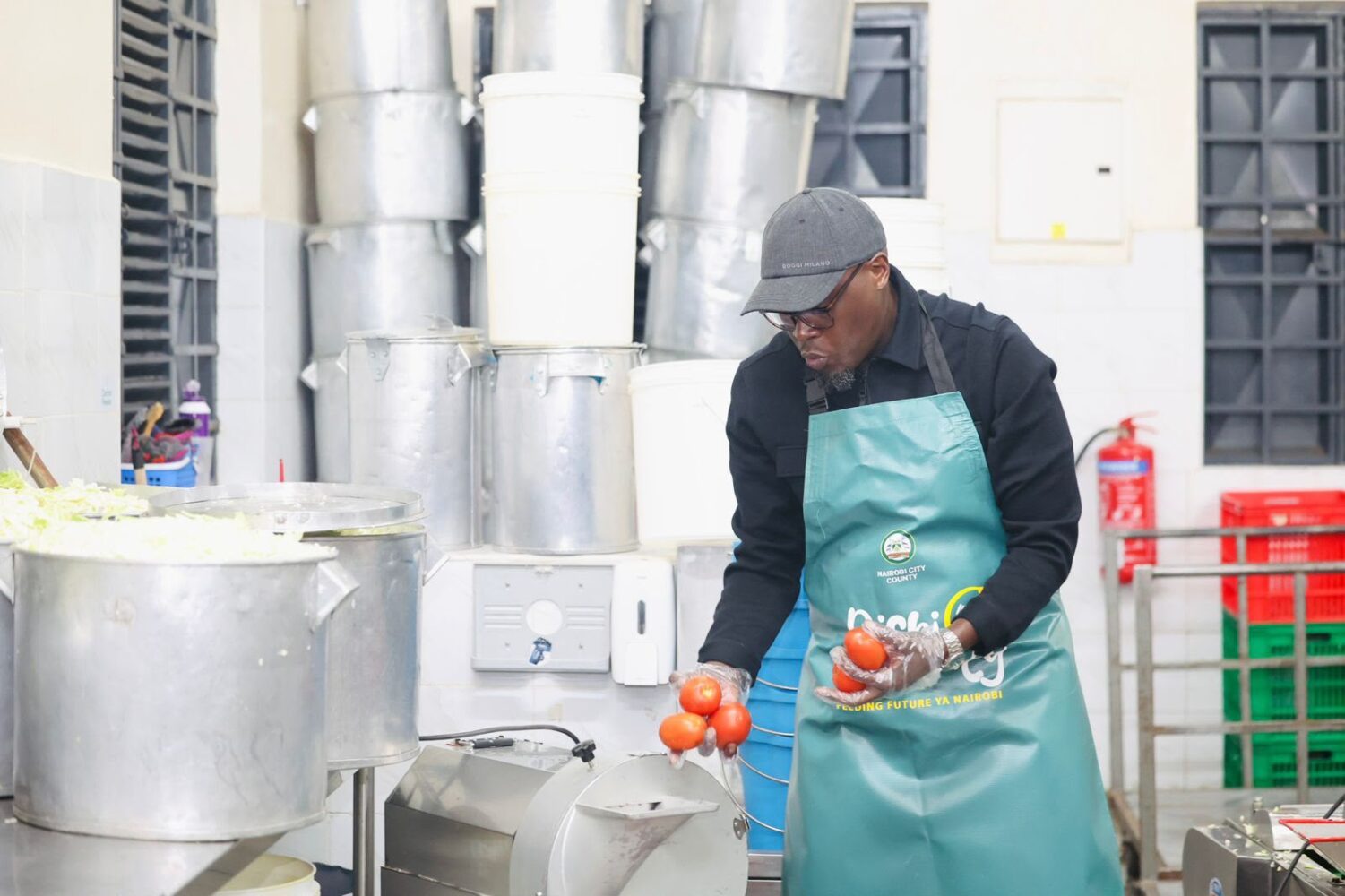
The proposed expansion would build on the infrastructure already established by the county, including the 17 central kitchens operating across all 17 sub-counties.
For the county government, the next phase is about ensuring that the gains made in tackling hunger among primary school pupils are extended to older learners who also face challenges accessing regular meals during the school day.
For Nairobi, however, the story of Dishi na County is ultimately bigger than the number on the meals counter.
Three years ago, the programme began with a simple proposition: a child should not have to choose between hunger and learning.
Eighty-five million meals later, that promise is being delivered every school day. And as Nairobi prepares to mark the 100 million-meal milestone, the county is already looking beyond the celebration to ensuring that even more children can sit in class with one less worry: where their next meal will come from.