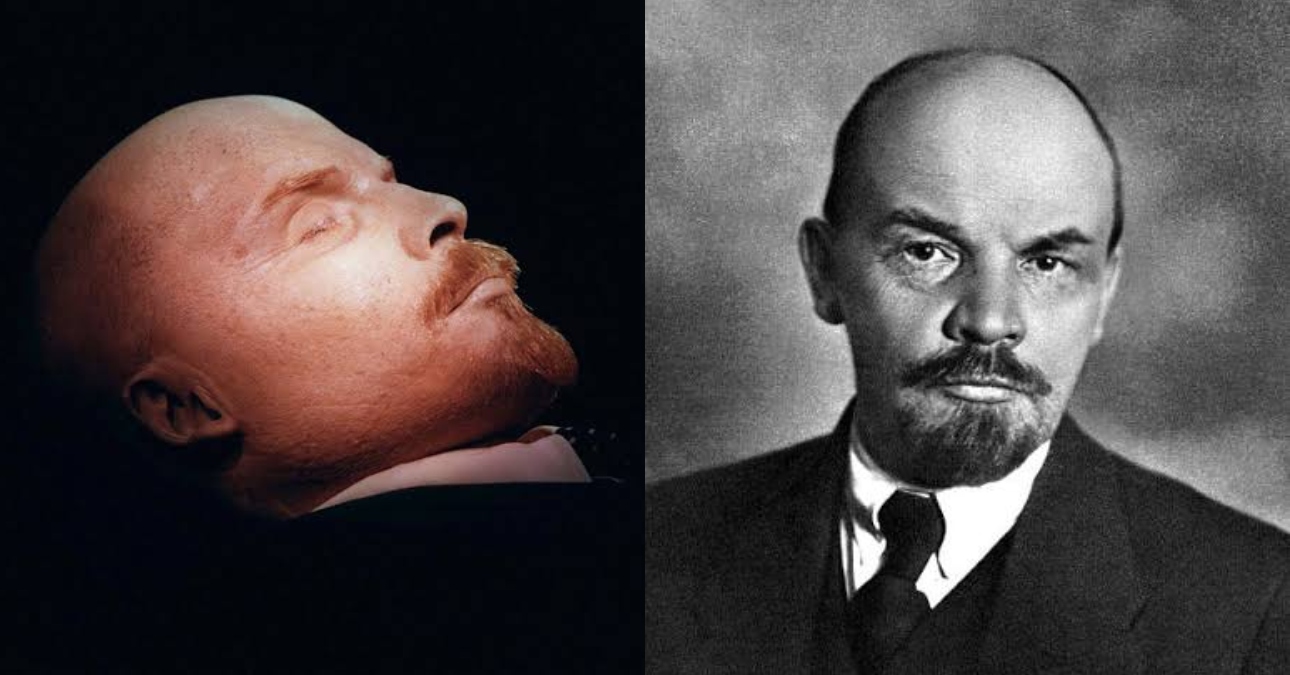
More than a century after his death, Russian scientists are still working to preserve the body of Vladimir Lenin, the revolutionary leader who helped establish the Soviet Union.
Lenin died on January 21, 1924, aged 53. Following his death, Soviet authorities decided against burying him, opting instead to preserve his remains and display them as a symbol of the revolution.
His death attracted thousands of mourners who queued to view his body. What was initially intended as a temporary display eventually became a long-term preservation project, leading to the construction of a mausoleum at Moscow’s Red Square, where his body remains on public display.
Scientists Boris Zbarsky and Vladimir Vorobyov were tasked with developing a technique that would prevent decomposition while maintaining Lenin’s physical appearance.
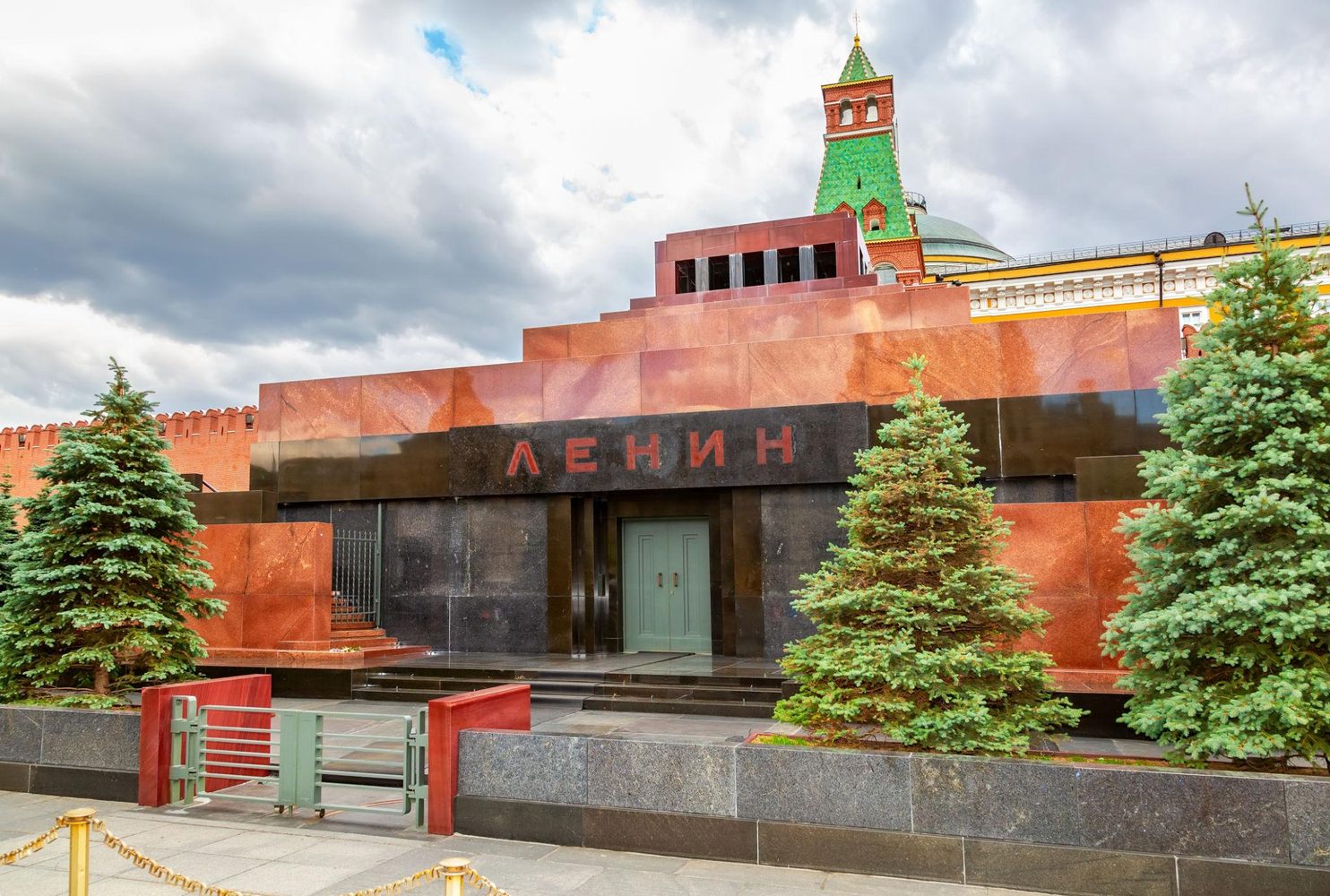
But keeping a body in this condition for more than 100 years requires far more than conventional embalming.
Specialists regularly inspect Lenin’s body for signs of deterioration, monitoring its skin colour, moisture and texture. Temperature and other environmental conditions inside the mausoleum are also carefully controlled to minimise damage.
Approximately every 18 months, the body undergoes an extensive preservation procedure that can last up to two months. During this process, specialists immerse it in specially prepared chemical solutions containing substances such as glycerol and potassium acetate.
Glycerol helps retain moisture in tissues, while other chemicals in the preservation mixture help maintain the body’s physical condition.
The process also goes beyond preventing decomposition. Scientists have developed techniques to maintain the body’s shape and appearance, including using artificial materials to replace or support deteriorating tissue.
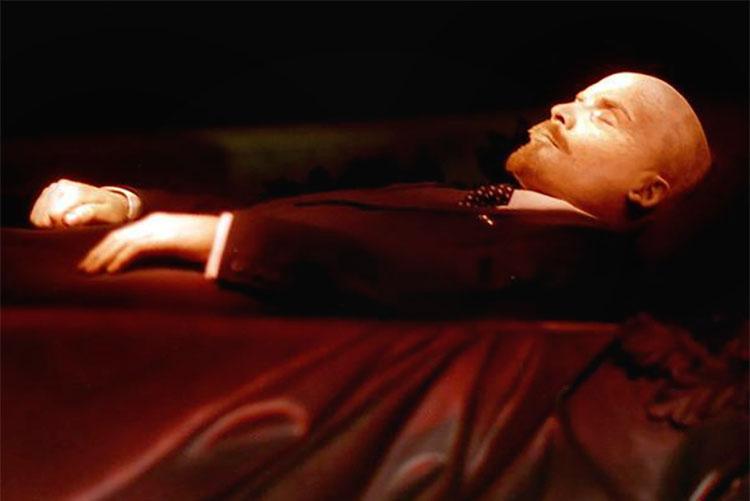
Research documented by the University of California, Berkeley, explains how preservation specialists have used substances including paraffin, glycerin and carotene to maintain Lenin’s physical appearance. Microscopic photographs are also used to identify changes that may require attention.
The preservation operation became so specialised that, at the height of the Soviet Union, the laboratory responsible reportedly employed around 200 specialists.
The expertise developed through the project was subsequently applied in preserving the bodies of other communist leaders, including Vietnam’s Ho Chi Minh and North Korea’s Kim Il-sung and Kim Jong-il.
However, Lenin’s continued display has remained a subject of public debate, with differing views over whether his body should remain in the mausoleum or finally be buried.
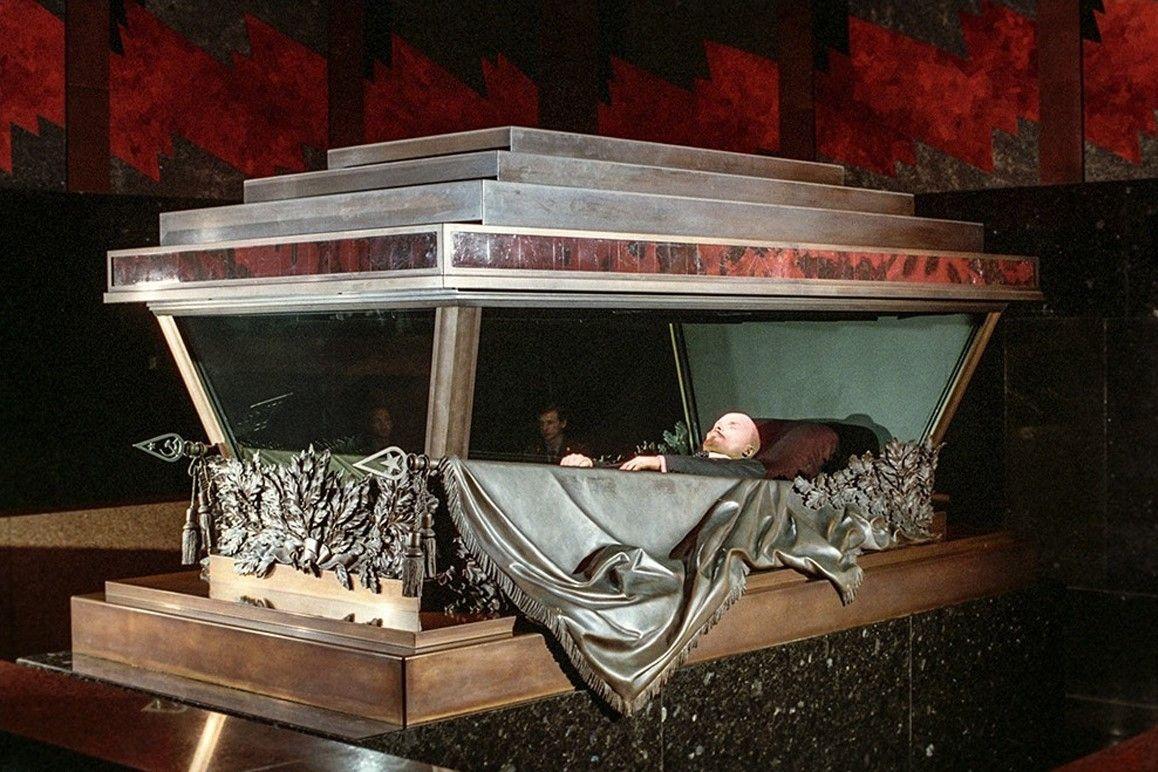
More than 100 years after his death, the scientific operation continues, making Lenin’s preservation one of the world’s most unusual and enduring examples of long-term human body preservation.
What began as a political decision to preserve a revolutionary leader has evolved into a specialised scientific undertaking that has continued across generations.