
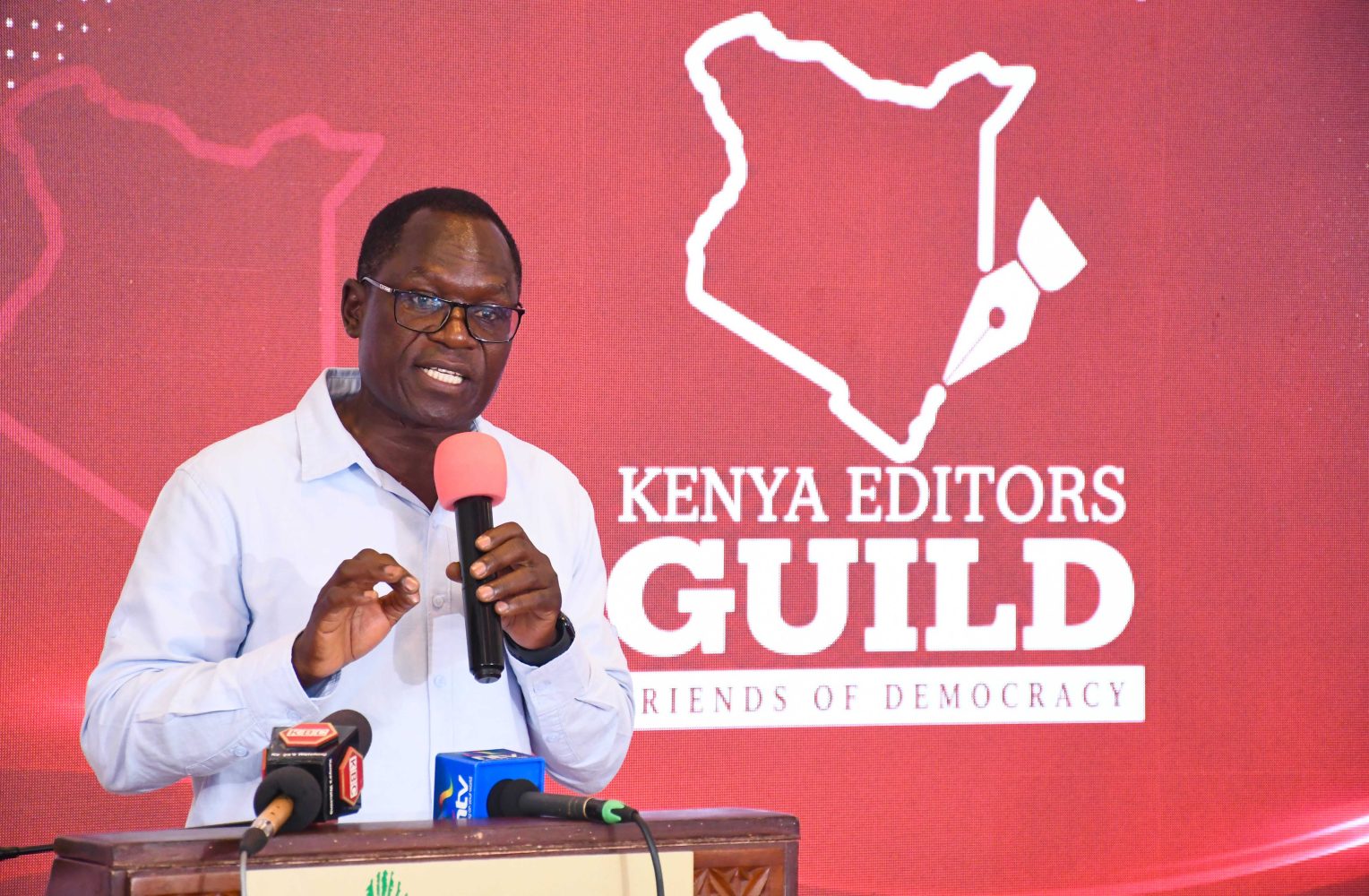
Media editors have been challenged to exercise greater professional responsibility in political reporting, counter misinformation and reject divisive rhetoric as Kenya prepares for the 2027 General Election, amid concerns that inflammatory political statements, ethnic mobilisation and emerging digital threats could undermine national cohesion and electoral credibility.
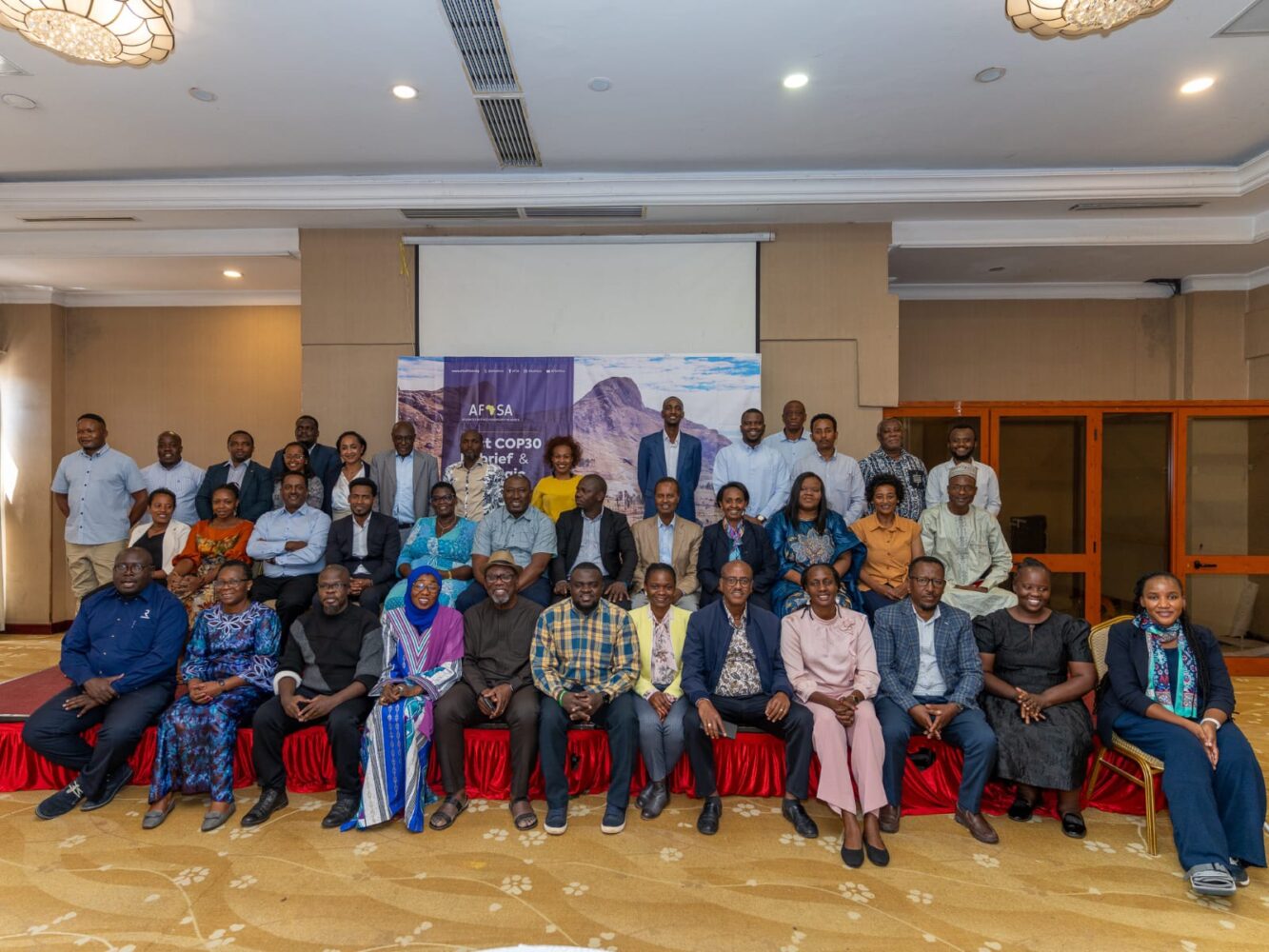
The call was made during the 9th Annual Editors’ Convention in Mombasa, where government officials, electoral stakeholders and media practitioners emphasised the critical role of independent journalism in safeguarding democracy, promoting peaceful political competition and ensuring voters make informed decisions.
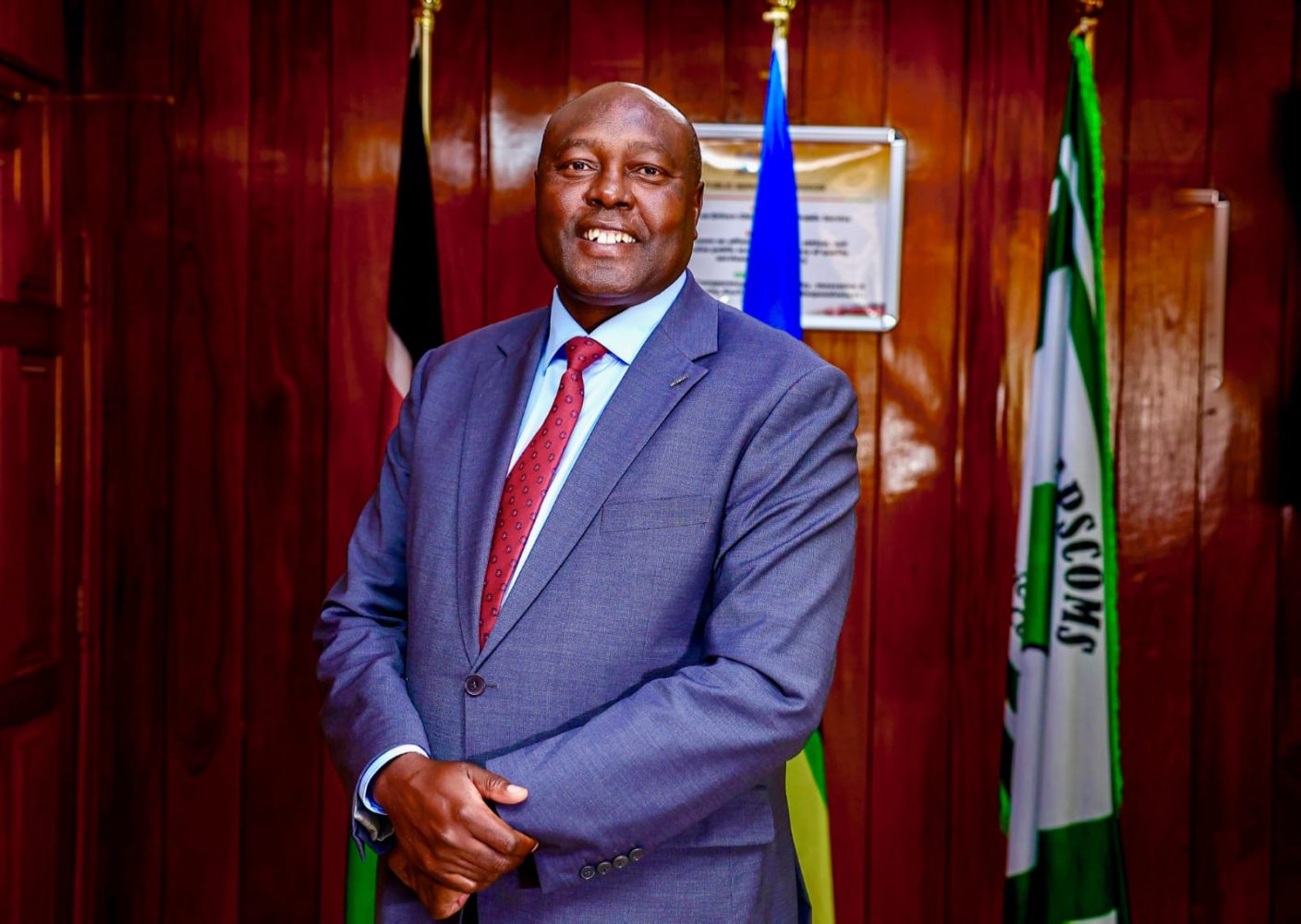
Principal Secretary for Broadcasting and Telecommunications Stephen Isaboke cautioned editors against allowing the pursuit of headlines, ratings and digital traffic to compromise professional integrity and public safety, urging newsrooms to distinguish between reporting inflammatory remarks in the public interest and giving them a platform for further amplification.
He warned that the media must not become an instrument for spreading ethnic hostility, incitement to violence and political divisions, noting that historical experiences had demonstrated the devastating consequences of using mass communication to fuel hatred and conflict.
“The pursuit of headlines, ratings and digital traffic must never supersede professional integrity, public safety and national cohesion. Our media must guard against becoming a vehicle for divisive rhetoric, ethnic mobilisation and the balkanisation of our country,” said Isaboke.
He further cautioned that the growing use of Artificial Intelligence (AI) in news production presented both opportunities and challenges, with technologies such as deepfakes, synthetic audio, manipulated videos and fabricated information posing serious threats to public trust and the credibility of the electoral process.
While acknowledging AI’s potential to improve newsroom productivity, research and content verification, the PS challenged editors to strengthen fact-checking mechanisms, clearly identify manipulated or AI-generated material and promptly correct inaccurate reports.
He emphasised that accuracy should take precedence over speed, particularly during the electioneering period when misleading information could easily trigger public anxiety, political hostility and violence.
Isaboke reaffirmed the Government’s commitment to protecting media freedom as guaranteed under Articles 33, 34 and 35 of the Constitution, which provide for freedom of expression, independence of the media and access to information.
However, he noted that these freedoms must be exercised responsibly and in accordance with constitutional provisions that prohibit propaganda for war, incitement to violence and hate speech.
He maintained that legitimate criticism, investigative journalism and scrutiny of Government remained essential democratic functions that must be protected, adding that media freedom should not be used to infringe on the rights, dignity and freedoms of others.
The PS also challenged media organisations to broaden their coverage beyond political contests and give greater prominence to development issues affecting ordinary Kenyans, including agriculture, healthcare, education, infrastructure, employment, enterprise development and the digital economy.
He urged journalists to move beyond reporting political rhetoric and instead hold leaders accountable for providing practical solutions to challenges facing young people, warning against political actors exploiting youth grievances to spread misinformation and incite hostility.
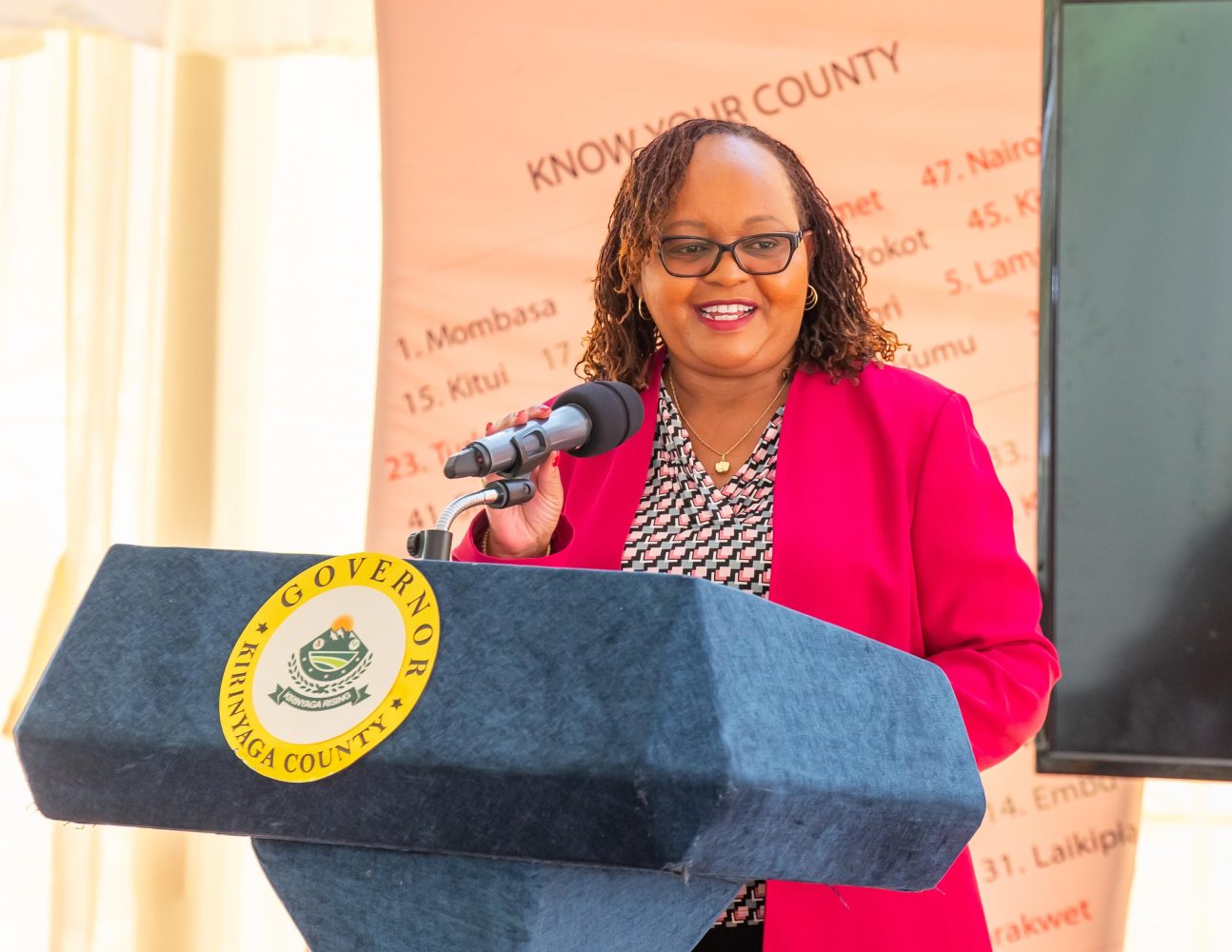
Meanwhile, Independent Electoral and Boundaries Commission (IEBC) Vice Chairperson Fahima Abdallah called on media organisations to promote issue-based politics and help create an environment in which political competition does not degenerate into violence, ethnic profiling and intolerance.
She said the media had a critical responsibility to shift public discourse from personalities, ethnic mobilisation and political theatrics towards policies, development priorities, integrity, competence and the leadership track records of those seeking elective positions.
Abdallah observed that political disagreements were legitimate in a multiparty democracy but should never threaten peaceful coexistence, urging editors to give prominence to narratives that promote national unity, dialogue and a shared sense of identity.
She further emphasised the media’s role in civic and voter education, noting that citizens required accurate and accessible information to understand electoral processes, their rights and responsibilities and the importance of peaceful participation.
An informed electorate, she said, was better positioned to make independent choices and resist manipulation through misinformation, disinformation and electoral inducements.
The IEBC Vice Chairperson described the media as an indispensable partner in delivering credible elections, saying sustained cooperation between the electoral commission and newsrooms would be necessary to ensure Kenyans receive timely, accurate and reliable information ahead of the 2027 polls.
She reaffirmed the commission’s commitment to strengthening engagement through regular media briefings, stakeholder consultations, timely information sharing and opportunities for journalists to understand electoral laws, systems and procedures.
Abdallah urged journalists to familiarise themselves with the entire electoral cycle, including voter registration, political party activities, candidate nominations, campaigns, voting, counting, tallying, declaration of results and resolution of electoral disputes.
She also encouraged media houses to maintain open communication channels with the commission, seek clarification whenever necessary and raise concerns where the electoral body falls short of its mandate.
She stressed that such cooperation should not compromise editorial independence, insisting that the commission welcomed scrutiny and did not expect favourable coverage or seek to influence newsroom decisions.
On her part, Kenya Editors’ Guild President Zubeidah Kananu warned that inadequate access to information and delays in official communication could weaken the media’s ability to provide accurate and timely reporting during the election period.
She observed that as political temperatures rise, newsrooms are likely to face increased pressure to verify emerging claims, while delays by institutions in issuing official responses could create an information vacuum that allows misinformation to spread.
Kananu called on Government agencies, electoral institutions and other public bodies to establish reliable communication channels ahead of the elections rather than waiting until crises emerge.
“The public has entrusted all of us, not just the media, with the responsibility of providing accurate, verified and timely information. Fake news will not wait for us to defend our institutional positions, observe bureaucratic procedures or point fingers. We must establish reliable communication channels now, not when a crisis erupts,” she said.
She emphasised that timely access to information and institutional responsiveness were essential in strengthening public confidence and enabling journalists to discharge their mandate effectively, particularly during politically sensitive periods.
British High Commissioner to Kenya Matt Baugh also reaffirmed the United Kingdom’s commitment to promoting media freedom and supporting independent journalism, underscoring the importance of protecting journalists as they undertake their work.
He noted that the UK was proud to co-chair the Global Coalition on Media Freedom alongside Finland, stressing that free, independent and credible journalism was fundamental to the survival and growth of democracy.
Baugh said protecting the space in which independent media operates was essential in ensuring democratic institutions remained accountable and citizens continued to access reliable information.
The convention, organised by the Kenya Editors’ Guild, brought together media leaders and key stakeholders at a time when the country is intensifying preparations for the 2027 General Election, with discussions focusing on responsible journalism, media freedom, access to information, technological disruption and the media’s role in protecting democratic processes