
Fall armyworm has invaded more than 40 per cent of areas under maize cultivation across Kenya, threatening agricultural production and raising fresh concerns over food security as farmers continue to count losses caused by the destructive pest.
The infestation, which has contributed to significant crop losses, is estimated to cause damage of up to 30 per cent, posing a major challenge to maize farmers and efforts to strengthen the country’s food production.
The Food and Agriculture Organization of the United Nations (FAO) reports that the fall armyworm, which originated in the Americas, has invaded over 80 countries across Africa, Asia, the Pacific and Europe. It causes up to 73 percent yield loss in maize and has resulted in an estimated USD 9.4 billion in damages in Africa alone.
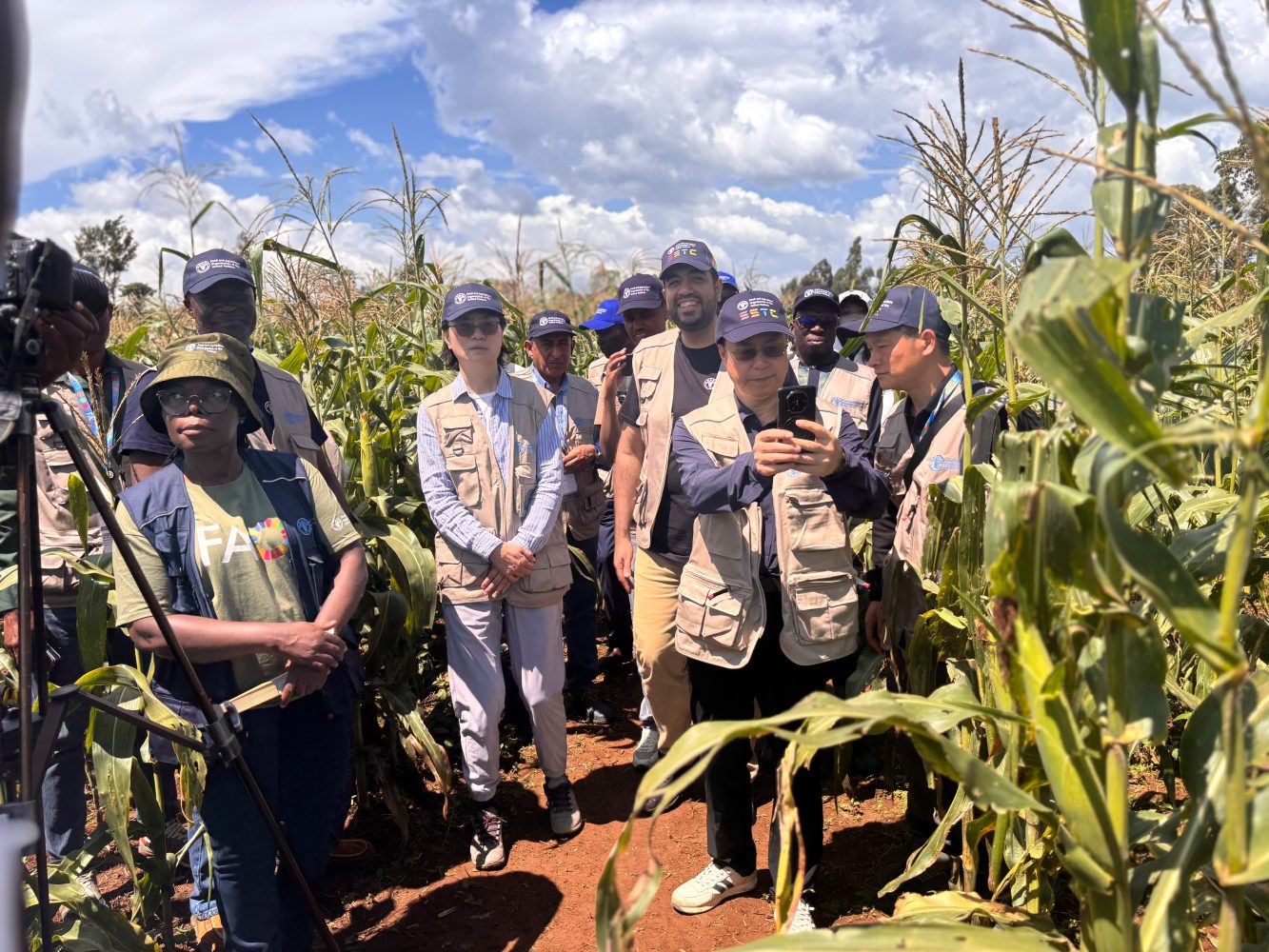
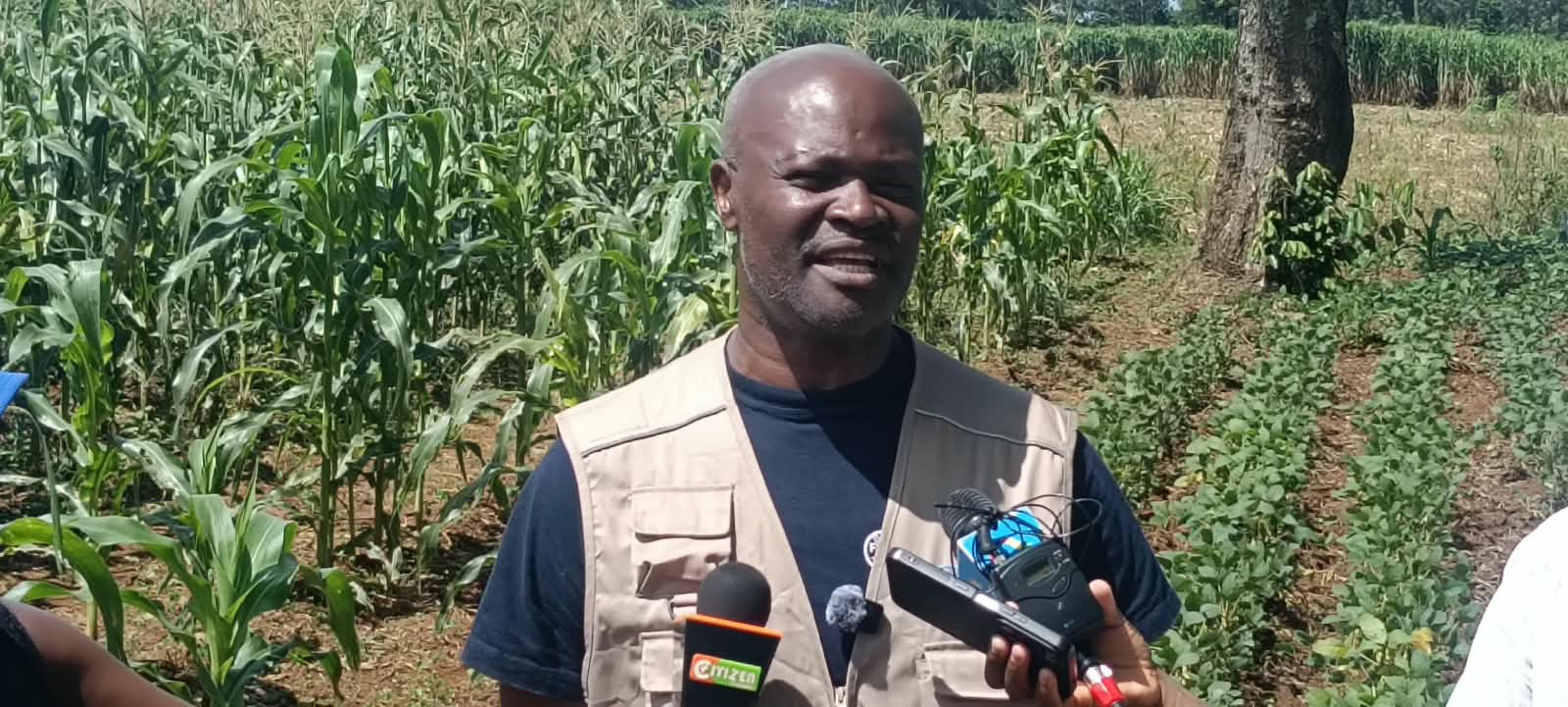
Speaking at Mabanga Agricultural Training Centre (ATC) in Bungoma County during the close-out of a three-year project on integrated and sustainable fall armyworm management solutions, supported by the Food and Agriculture Organization (FAO)-China South-South Cooperation (SSC) programme, FAO fall armyworm management expert George Ong’amo said the pest has remained a serious threat to maize production.
“Fall armyworm is a serious problem in the country and it is still spreading. The losses associated with this infestation are estimated to be around 30 per cent,” he said.
Ong’amo said the three-year intervention has equipped farmers with practical knowledge and skills to identify , monitor and manage the pest, expressing optimism that they would continue applying the techniques beyond the project’s close-out.
He urged farmers who had participated in training sessions conducted through demonstration fields and farmer field schools to embrace the technologies introduced to sustain the fight against the pest.
“I ask our farmers who have undergone training through these demonstration fields to adopt the technologies so that they continue fighting fall armyworm infestation,” he said.
Ong’amo noted that since the pest was first reported in Kenya in 2017, many farmers had struggled to identify and control it, with some resorting to inappropriate pesticides and application methods that contributed to the development of resistance.
He explained that inadequate knowledge about the pest’s behaviour and the appropriate control measures had exposed farmers to losses, even when they attempted to use chemical interventions.
However, he said the technologies developed and demonstrated by FAO had improved farmers’ understanding of the appropriate products, formulations and application methods required to manage fall armyworm effectively.
Through demonstration fields established in Bungoma and other parts of the country, farmers have been exposed to integrated pest management approaches that combine different control measures while reducing unnecessary dependence on chemical pesticides.
“We have tried to deploy these technologies through 25 farmers’ field schools and each school has approximately 30 members,” he said.
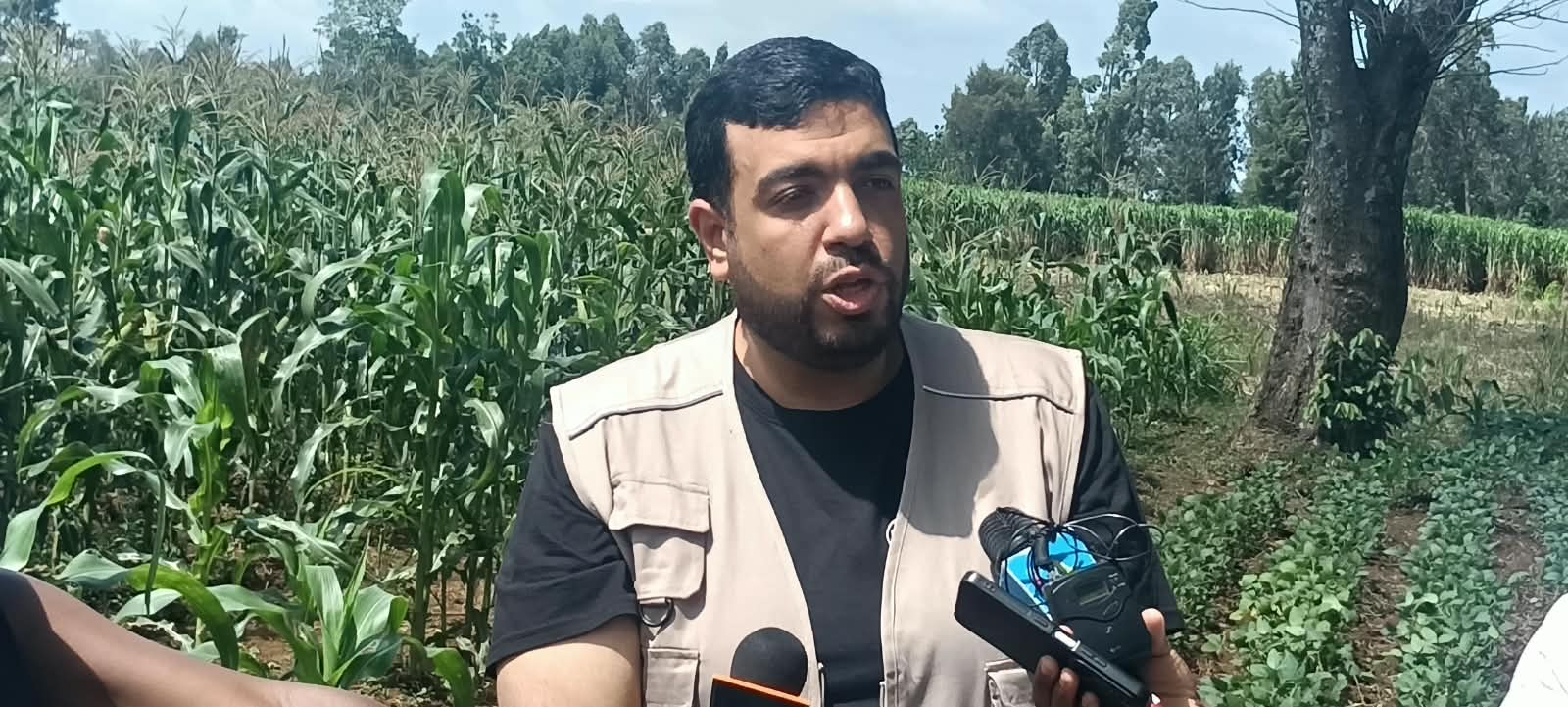
Maged Elkahky, FAO agricultural officer and technical officer attached to the project’s Plant Health Cluster, said Kenya and Ghana were selected as demonstration countries to assess the effectiveness of fall armyworm management technologies across different agro-ecological zones.
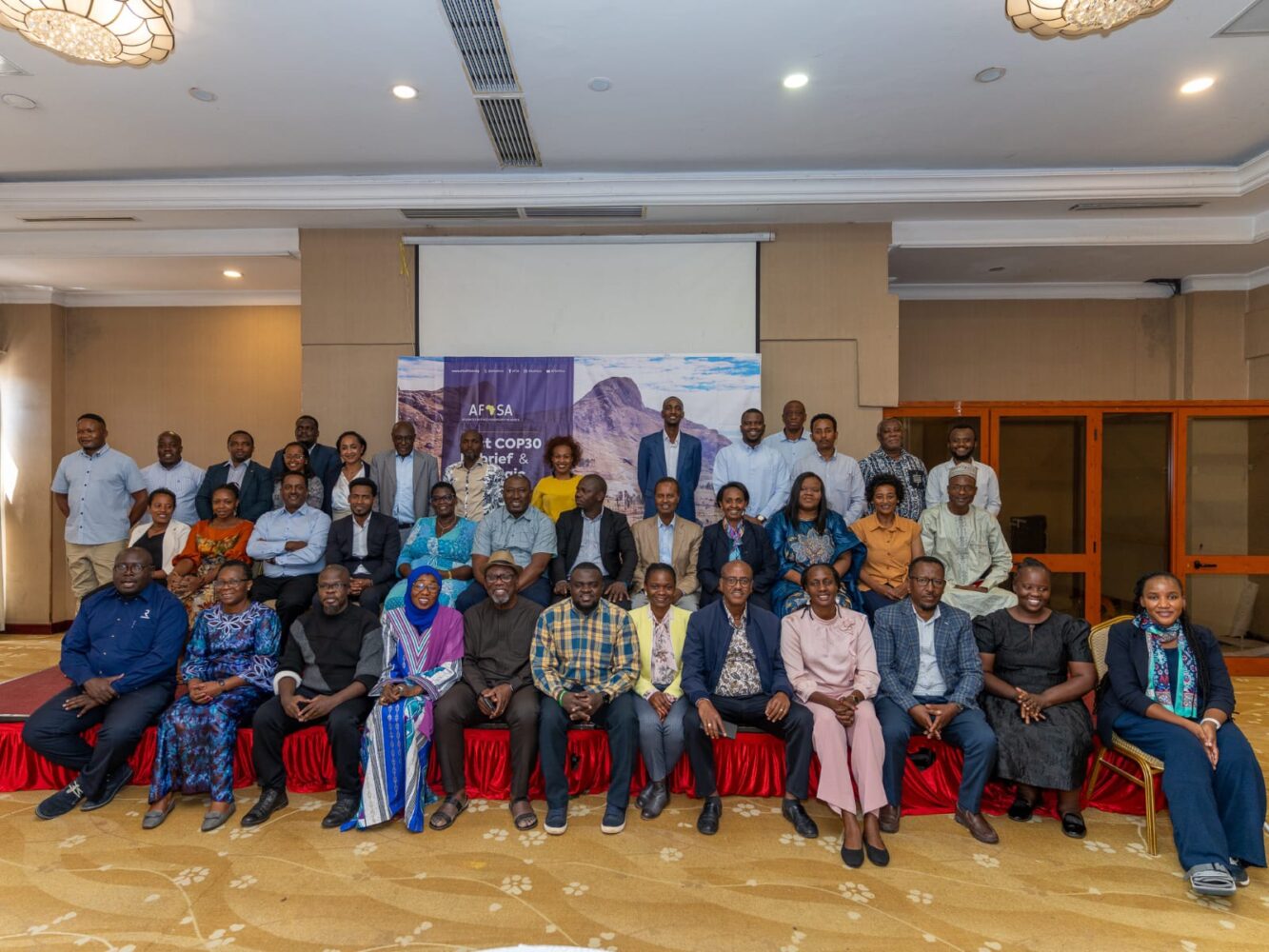
He said the project had also attracted representatives from nine African countries who attended the close-out activities to learn about the interventions and share the knowledge with farmers in their respective countries.
“We have brought here representatives from nine African countries so that they learn these new technologies to control fall armyworm and help us disseminate the information to other farmers in their respective countries,” he said.
Elkahky said the project focused on strengthening pest monitoring, surveillance and early-warning systems to enable farmers and agricultural stakeholders to detect infestations early and respond before the pest causes extensive damage.
He noted that the demonstration fields at Mabanga ATC provided practical learning opportunities for farmers to understand different approaches to managing fall armyworm, with particular emphasis on environmentally friendly methods that minimize reliance on chemicals and pesticides.
“Most of our focus goes towards having practices that are economically viable and at the same time, do not harm human health and the environment,” he said.
The officer revealed that the project had reached more than 20,000 farmers in Kenya, equipping them with knowledge and practical skills to manage the pest and minimize crop losses.
Elkahky said Kenya was selected because of its heavy dependence on maize as a staple food, noting that the crop remains central to household food security, livelihoods and the country’s agricultural economy.
He added that maize was among the crops most affected by fall armyworm infestations, making Kenya an important location for testing and demonstrating interventions aimed at reducing the pest’s impact on agricultural production.
“We picked Kenya and Ghana, which is in West Africa, because they are in different agro-ecological zones. We wanted to establish whether the fall armyworm management technologies could work effectively across these different zones,” he said.
With the project now coming to an end, Elkahky urged farmers who had benefited from the training to scale up the demonstrated technologies and share the knowledge with other farming communities to ensure the gains achieved are sustained.
Bungoma County Chief Officer for Agriculture and Irrigation Dr. Magrina Mayama said the intervention had significantly improved farmers’ ability to identify and manage fall armyworm, particularly in distinguishing it from other maize pests such as the maize stalk borer.
She said before the introduction of the project, many farmers struggled to differentiate between the two pests, making it difficult for them to select appropriate control measures.
Mayama noted that even when farmers purchased pesticides, they often lacked the technical knowledge to identify the correct products and apply them effectively, resulting in continued crop damage and unnecessary expenditure.
She said the establishment of 25 farmer field schools and demonstration plots across the county, with support from FAO, had strengthened farmers’ capacity to identify fall armyworm and adopt appropriate management practices.
“Through these initiatives, farmers have been taught different ways of controlling fall armyworm using various methods,” she said.
Mayama said the county government would continue encouraging farmers to embrace the knowledge acquired through the project and adopt sustainable agricultural practices to protect maize production.