
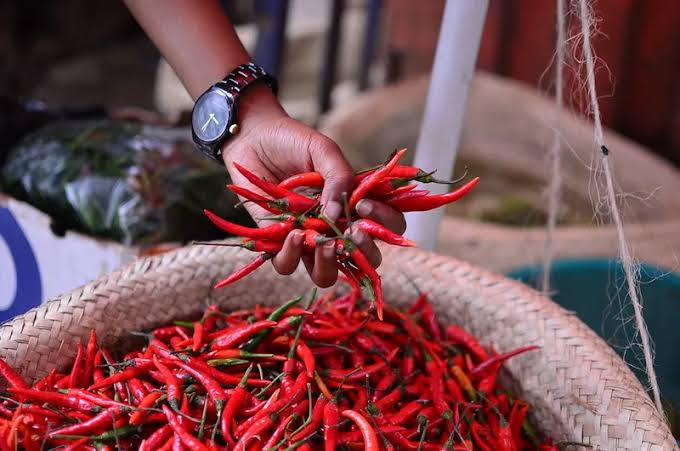
Kenyan farmers are set to access the Chinese market for dried chillies after Beijing approved their export, opening a new opportunity for growers and exporters seeking to expand agricultural trade with Asia.
The Kenya Plant Health Inspectorate Service (KEPHIS) said dried chillies from Kenya had been cleared for export, subject to China’s phytosanitary, food safety and quality requirements.
According to a report in China Daily, the approval comes as Kenya seeks to diversify its agricultural exports and benefit from China’s expanded zero-tariff policy, which took effect on May 1 and covers all 53 African countries with which Beijing has diplomatic relations.
The move has been welcomed by chilli farmers, who see China as a potentially significant market for a crop already in demand in Europe, the Middle East and other parts of Asia.
Judy Towett, a farmer from the Kerio Valley, welcomed the opening of the market but called for greater government support to help growers meet export standards and link them with buyers.
“Let’s get into production, let’s grow with the right knowledge, meet export standards and turn this opportunity into actual shipments,” she said.
However, commercial exports will only begin after farms, processing plants and packing facilities meet a series of requirements set by Kenya and China.
Farms, processing facilities and packing houses must be registered with KEPHIS, while export processing and packing facilities must also be registered with Chinese customs authorities.
KEPHIS will inspect and approve eligible facilities, with every shipment required to carry a phytosanitary certificate confirming compliance with Chinese import requirements.
Exporters will also be required to maintain records tracing produce to its source, observe good agricultural practices and implement pest-control measures. China’s food safety rules cover pesticide residues, aflatoxin B1 and heavy metals. Shipments must also be free of salmonella and specified quarantine pests and diseases. Dried chillies must have a moisture content of no more than 13 per cent and meet Chinese packaging and labelling requirements.
Kenya already exports agricultural products to China, including avocados, which the Chinese Foreign Ministry cited in May among African products benefiting from the expanded zero-tariff arrangement.
The chilli deal could create opportunities for investment in drying, processing and packaging, allowing Kenyan producers to add more value locally before their products are shipped to China.
The development comes as Kenya steps up efforts to attract Chinese investment in manufacturing and agro-processing, which the government views as key to job creation and export growth.
A Kenyan delegation led by Cabinet Secretary for Investments, Trade and Industry Lee Kinyanjui visited Beijing last month to explore partnerships with Chinese companies and financial institutions.
At the Kenya-China Investor Roundtable, attended by senior government officials, representatives of the China-Africa Development Fund and Chinese companies, Mr Kinyanjui said Kenya was seeking investment that would establish industries and create jobs rather than simply expand trade in finished goods.