

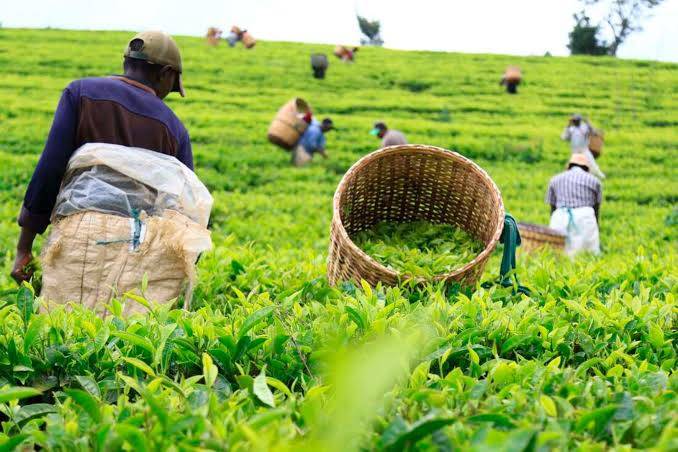
- Move expected to restore trade ties, boost farmers’ earnings and strengthen Kenya’s position in the international tea market
Kenya’s tea industry has received a major boost after Sudan officially lifted its ban on tea imports from Kenya, paving the way for the resumption of tea exports to the North African country.
The decision follows high a level diplomatic mission to Sudan in what a senior government official says was “an economic-intelligence-led diplomacy” formalised through Ministerial Order No. 25 of 2026, issued by Sudan’s Ministry of Industry and Trade on November 8, 2026, and signed by the Minister, Mahasin Ali Yaqoub.
The order, titled Lifting of the Ban on Tea Imports from Kenya, formally revokes the restriction on Kenyan tea imports and directs all relevant authorities to implement the decision. It took effect immediately upon signing.
The lifting of the ban followed approval by Sudan’s Sovereignty Council through a letter dated November 2, 2026, and a subsequent Cabinet communication dated November 5, 2026.
The development is significant for Keny a’s tea sector, which relies heavily on international markets to sustain production, support farmers and generate foreign exchange. Sudan’s decision removes an official trade barrier that had restricted access for Kenyan tea exporters.
The reopening of the Sudanese market provides an opportunity for Kenyan tea producers, exporters and other players along the value chain to re-establish commercial links and explore renewed business opportunities.
For tea-growing communities, particularly smallholder farmers, improved access to export markets could contribute to stronger demand, better market prospects and improved earnings, depending on the volume of trade that resumes.
The decision also reinforces the importance of diplomatic and trade engagement in addressing barriers affecting Kenyan agricultural exports. By restoring access to Sudan, Kenya gains an opportunity to strengthen its presence in a market that has previously imported its tea.
While the ministerial order does not specify the volume of tea expected to be imported, the value of trade involved or the precise date when shipments will resume, it provides the legal clearance necessary for the relevant authorities to facilitate imports.
The lifting of the ban marks an important step towards restoring trade relations and expanding market opportunities for one of Kenya’s most important agricultural exports.