
When Pauline Akinyi Otieno returned to her rural home from the kitchen on a quiet Sunday, she had no inkling that a nightmare awaited her.
Her estranged ex-husband, Fredrick Adundo, had slipped inside undetected. Within moments, what should have been a safe haven turned into a bloodbath.
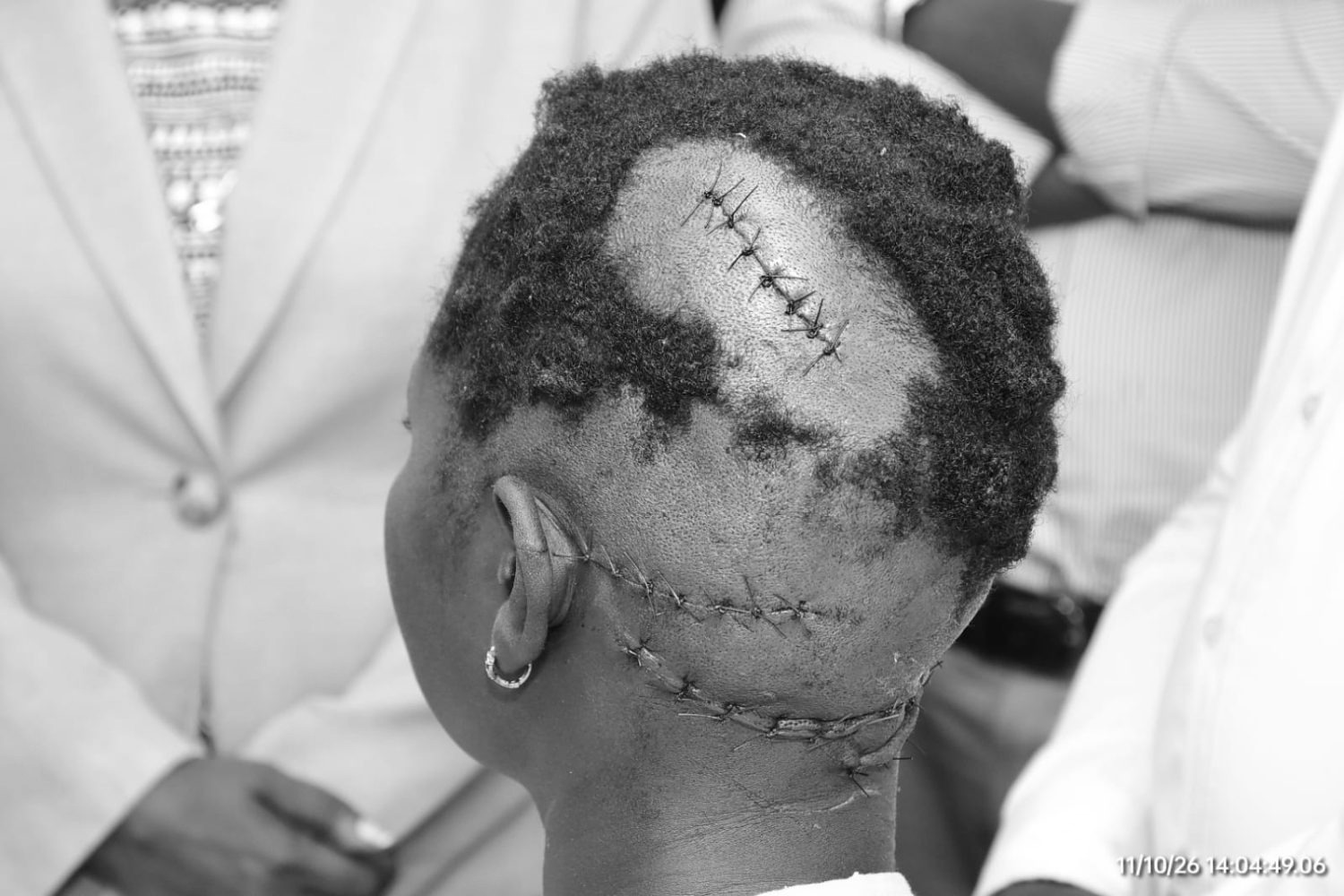
Armed with a panga, Adundo hacked her severally across the head, face, back, and hands before fleeing into the shadows.Today, the 28-year-old single mother is fighting for her life at the Siaya County Referral Hospital.
While dedicated medical personnel battled for five hours in surgery to close deep lacerations on her body, her attacker remains at large, hunted by police in a region now buckling under a staggering wave of gender-based violence (GBV).
Tragically, Otieno’s harrowing ordeal is not an isolated aberration. It is a chilling window into an epidemic that is tearing through Siaya County officially recognized as one of Kenya’s most volatile GBV hotspots.
Adding to the county’s growing alarm, a disturbing case of sexual violence against a 19-year-old woman, Cindy Clare (not her real name), has once again brought renewed attention to the urgent need for stronger community protection systems, improved access to justice, and enhanced support services for women, boys, and girls across the county.
The survivor was allegedly drugged and gang-raped by three men while returning home from a night vigil. She was rescued after nearby mourners heard her screams, forcing the attackers to flee.
She was later taken to the local chief for reporting before receiving emergency medical care and psychosocial support at the Siaya County Referral Hospital.
This horrifying incident underscores a broader regional crisis.
Recent findings from the Catholic Medical Mission Board (CMMB) report, “Assessment of Contextual Issues, Manifestations, and Prevalence of Gender-Based Violence in Siaya County,” lay bare a deeply troubling paradox. While public awareness of GBV in the county stands at a high 89.3%, a staggering 40% of households report experiencing at least one form of GBV.
This massive chasm between knowing the law and living the terror underscores a culture of silence, driven by poverty, heavy alcohol and drug abuse, harmful traditional gender norms, and high-risk social gatherings like local funerary vigils (disco matanga).
According to CMMB assessments and local administrative data, Intimate Partner Violence (IPV) reigns as the most pervasive form of abuse, accounting for 50.7% to 62.7% of reported cases. More than 26% of women aged 15 to 49 in the county have suffered physical or emotional violence from a partner they once trusted.
The manifestation of this brutality is diverse and severe; Intimate Partner Violence: 62.7%, Verbal and Emotional Abuse: 58.0%, Rape: 31.1% and Defilement: 31.0% (frequently concealed and settled privately within families). The scale of the crisis weighs heavily on the local criminal justice system. Sexual and Gender-Based Violence (SGBV) cases make up a staggering 73% of all criminal cases reported to authorities across Siaya’s sub-counties, including Alego-Usonga, Bondo, Gem, and Ugunja.
Siaya’s crisis mirrors a broader national emergency. Nationally, about 45% of Kenyan women aged 15–49 have experienced physical violence, overwhelmingly inflicted by husbands and intimate partners. Furthermore, Kenya has experienced a harrowing surge in femicide and intimate partner homicides, with hundreds of brutal killings recorded in recent years.
Compounding physical and domestic violence is an emerging modern weapon: Technology-Facilitated GBV (TFGBV). The 2025/2026 Kenya Mini Demographic and Health Survey (Mini DHS) by the Kenya National Bureau of Statistics (KNBS) reveals that digital abuse has a lifetime prevalence of 26% among women aged 15–49, with husbands and intimate partners acting as the perpetrators in 61% of those cases. Additionally, 19% of women suffer from online controlling behaviors, such as husbands digitally tracking their movements and restricting communications. Navigating this complex web of trauma requires swift, coordinated action.
Fortunately, healthcare institutions are increasingly adapting through crucial partnerships. Cindy Clare’s case underscores the impact of the long-standing partnership between Tiko and the County’s Department of Health and Sanitation in strengthening timely access to GBV care and survivor support services for young women and girls.
Through the partnership, survivors aged 15–24 can access sexual and reproductive health services using the Tiko platform, which helps remove financial barriers through digital support commonly known as “Tiko coins.”
The collaboration has also strengthened referral pathways, integrated trained GBV staff within hospital triage systems, and introduced a toll-free support line (0800 721 022) to improve access to urgent assistance.
However, structural hurdles remain formidable. Pauline Okwiri, head of GBV at the Siaya County Referral Hospital, emphasized the critical importance of timely intervention and coordinated survivor support, noting that administrative hurdles can jeopardize recovery.
In Cindy’s case, for instance, she was not registered under the Social Health Authority (SHA), forcing healthcare providers to urgently seek a waiver so she could receive medical services within the critical 72-hour intervention window.
Okwiri added that many survivors fail to seek treatment due to financial barriers, with the lack of SHA registration remaining one of the biggest obstacles in accessing immediate, life-saving GBV care.
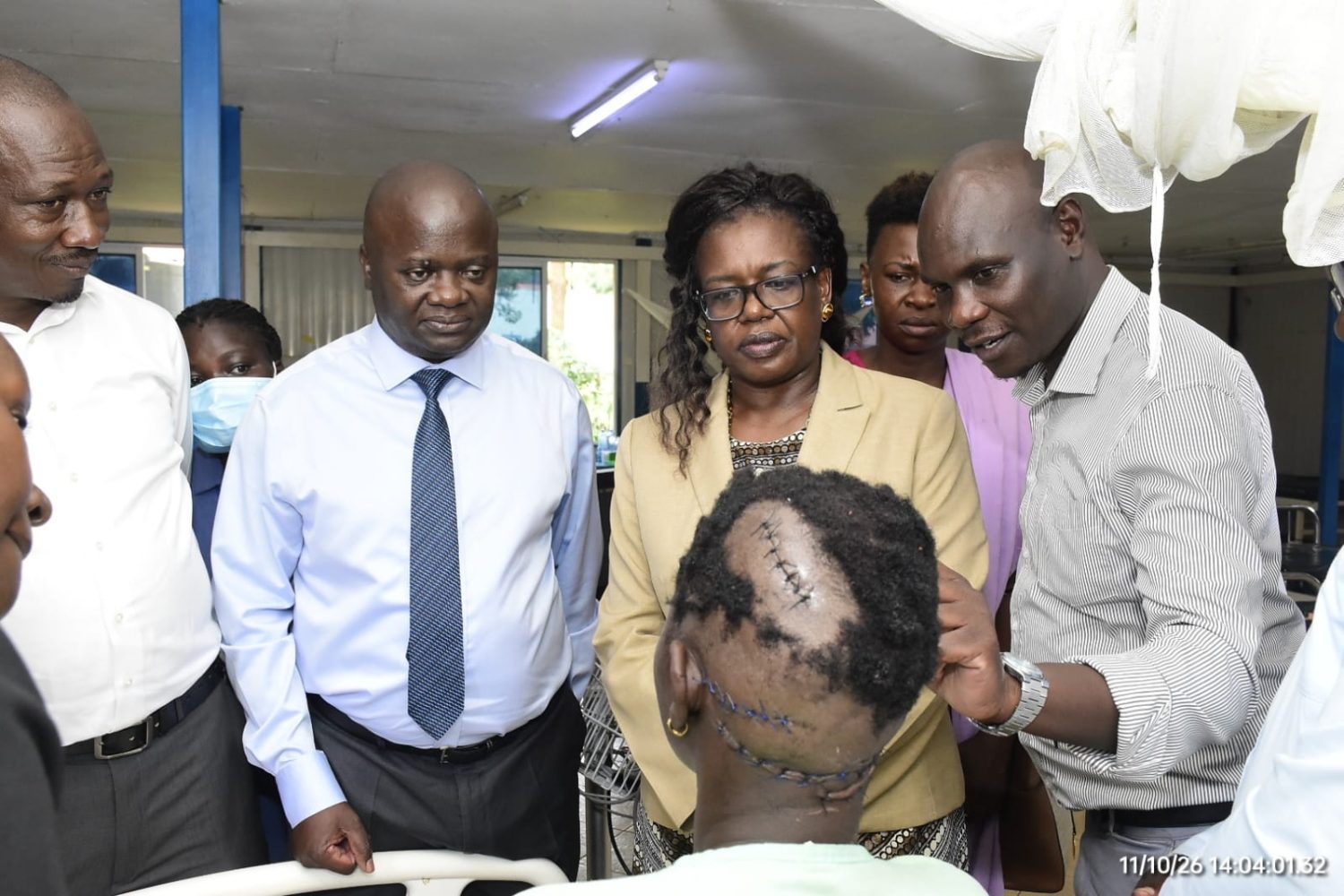
Visiting survivors at the Siaya County Referral Hospital, Siaya County Secretary and Head of Public Service, Elizabeth Adongo, strongly condemned the wave of violence as an affront to constitutional rights.
“We are here on behalf of our governor to reiterate and uphold the rights of women and girls when it comes to the violation of their rights,” Adongo stated. “This is an active, economically sound, and mentally sound young lady going about her business, making her choices as guided by the constitution.”
Adongo praised the medical staff particularly Dr. Magoha and his team whose prompt five-hour intervention saved Otieno’s life. However, she stressed that medical intervention is only the first line of defense. True recovery requires systemic accountability.
“In cases such as this, you are halfway there when justice is done,” Adongo asserted, issuing a direct call to action for a synchronized multi-agency approach. “We ask all the agencies law enforcement, the community, support networks, and the courts to do their part. It is only through such stern action that we are able to deter further action… and provide true justice to victims.”
As police continue their manhunt for Fredrick Adundo and authorities pursue justice across multiple fronts, the county government has pledged comprehensive psychosocial and rehabilitation support for survivors.
Yet, leaders emphasize that dismantling Siaya’s GBV crisis requires community-wide vigilance, economic empowerment for women, and rejecting cultural complicity that shields abusers.
For victims like Pauline Akinyi Otieno and Cindy Clare, physical wounds take months to heal, and psychological scars may linger forever.
But as they fight on from their hospital beds, their survival has become a rallying cry for a county desperate to break the cycle of violence.