
Beyond the rolling hills of Kitui, beneath the shade of a sacred fig tree that has stood for generations, history is set to unfold.
On 3 October 2026, at the Anzauni Cultural Grounds in Kitui, the Anzauni Ndene Clan will undertake a ceremony that its elders describe as the first of its kind in more than seven decades: the installation of a cultural chief.
The ceremony will take place beneath a 70-year-old sacred fig tree, a setting that reflects the community’s deep connection to ancestry, land and tradition. But beyond the ceremony itself lies a broader story — one about the richness of Akamba heritage and the responsibility of preserving it for future generations.
The Kamba: 22 Clans, 22 Traditions of Excellence
Traditional Akamba society is commonly described as comprising 22 clans, each associated with particular skills, responsibilities and areas of expertise that contributed to the strength and resilience of the wider community.
The Atwii, for example, were traditionally associated with blacksmithing, while the Aombe were regarded for their foresight and vision. The Amutei became renowned traders, helping to connect the communities of Ukambani with the Coast.
The Anzauni, or Ndene Clan, have traditionally been associated with four distinctive areas of heritage: medicine, hunting, warfare and rainmaking.
This division of knowledge and responsibility was an important feature of traditional society. Skills were passed from one generation to another as an inheritance — knowledge to be protected, respected and ultimately handed down to those who would come after.
The Chief as Custodian, Not Ruler
In traditional Kamba society, leadership was closely linked to the authority of elders and the preservation of communal values.
The chief, in this cultural understanding, was not simply a ruler. He was a custodian of knowledge, unity and the community’s future.
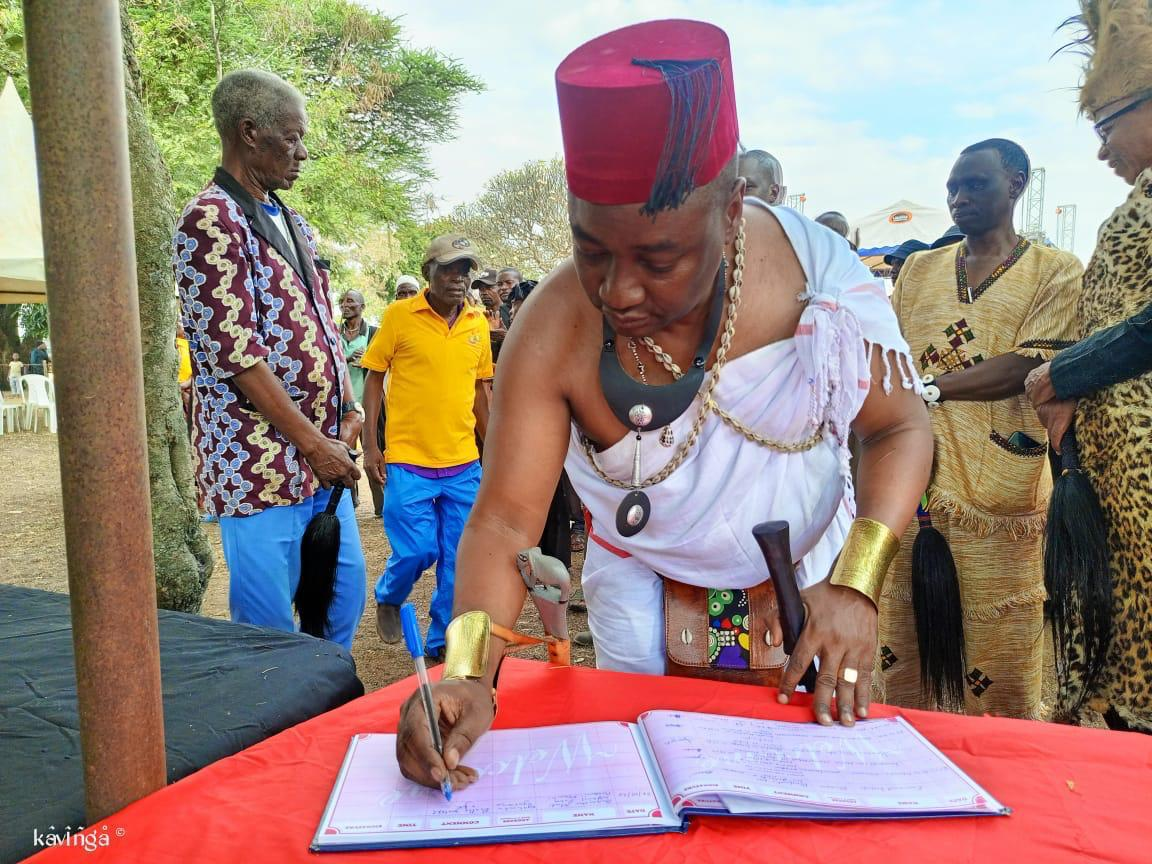
As keeper of knowledge, the chief was expected to understand and protect the traditions and wisdom of the community.
As keeper of unity, he served as a mediator, bringing families and clans together in times of disagreement, hardship or external threat.
And as keeper of the future, he carried a responsibility to safeguard the community’s land, traditions and wellbeing for generations yet unborn.
The underlying principle was one of service rather than domination.
Why Kyalo Muli?
The man at the centre of the forthcoming ceremony is Dr. Augustus Kyalo Muli, HC, a Kitui-born humanitarian, educationist and leader of the National Liberal Party (NLP).
Born in Ngiini Village in Kitui Central, Dr. Muli has spent much of his professional life between Kenya and the United Arab Emirates, while maintaining strong links with his home country.
He is a descendant of prominent Anzauni figures who played significant roles in Kenya’s political history, including Hon. Nyiva Mwendwa, Kenya’s first woman Cabinet Minister; Hon. Nzau Muimi, among the early African members elected to the Legislative Council (LEGCO) in 1957; and Hon. Fred Mati, who served as the first African Speaker of the National Assembly.
A former student of Starehe Boys’ Centre, Dr. Muli holds a Bachelor’s degree in Education from Kenyatta University and an MBA from MG University in Dubai. He has also received an honorary doctorate from American Breakthrough University.
His community work has included education bursaries, water initiatives and youth and women empowerment programmes in Kitui through the Kyalo Kya Maendeleo Foundation. He was also installed as a Kamba community elder in 2023.
According to the Anzauni Ndene Clan Council of Elders, his forthcoming installation follows a two-year consultative process involving members of the clan.
The Council intends to install him as HRH Chief Kyalo Muli I, presenting the position as a cultural institution intended to preserve Anzauni heritage and strengthen community unity.
The ceremony therefore seeks to frame his leadership not primarily in political terms, but as a role of cultural custodianship and service.
Kilumi: Heritage in Motion
At the heart of the ceremony will be the Kilumi, a traditional Kamba dance that will form part of the community’s celebration and thanksgiving.
Led by women elders and accompanied by traditional drums, the dance will provide a link between the present generation and the community’s ancestral heritage.
For the Anzauni, the performance will symbolise remembrance of generations of healers, hunters, warriors and rainmakers whose knowledge and traditions helped shape the clan.
It will be a celebration of continuity — a declaration that culture does not exist only in history books, but remains alive through music, dance, ceremony and community.
A Celebration Beyond the Clan
The Anzauni Cultural Chiefdom (Reg. No. 17180) describes itself as a cultural institution rather than a political organisation.
The festival will be held under the theme:
UNITY – HERITAGE – DEVELOPMENT
The organisers say the event is open to all people, including Christians, Muslims and people of all backgrounds who wish to witness and learn about Akamba culture.
The Council has invited President William Ruto to join thousands of Anzauni from Kitui, Makueni, Machakos and the diaspora for the occasion. Organisers expect more than 20,000 people to attend.
For the Anzauni, therefore, 3 October is about more than the installation of an individual.
It is an attempt to reconnect a modern generation with an older cultural inheritance — and to ask what traditional leadership can mean in a changing Kenya.
Beneath the old fig tree at Anzauni Cultural Grounds, the community will gather to honour its past, celebrate its present and look towards its future.