

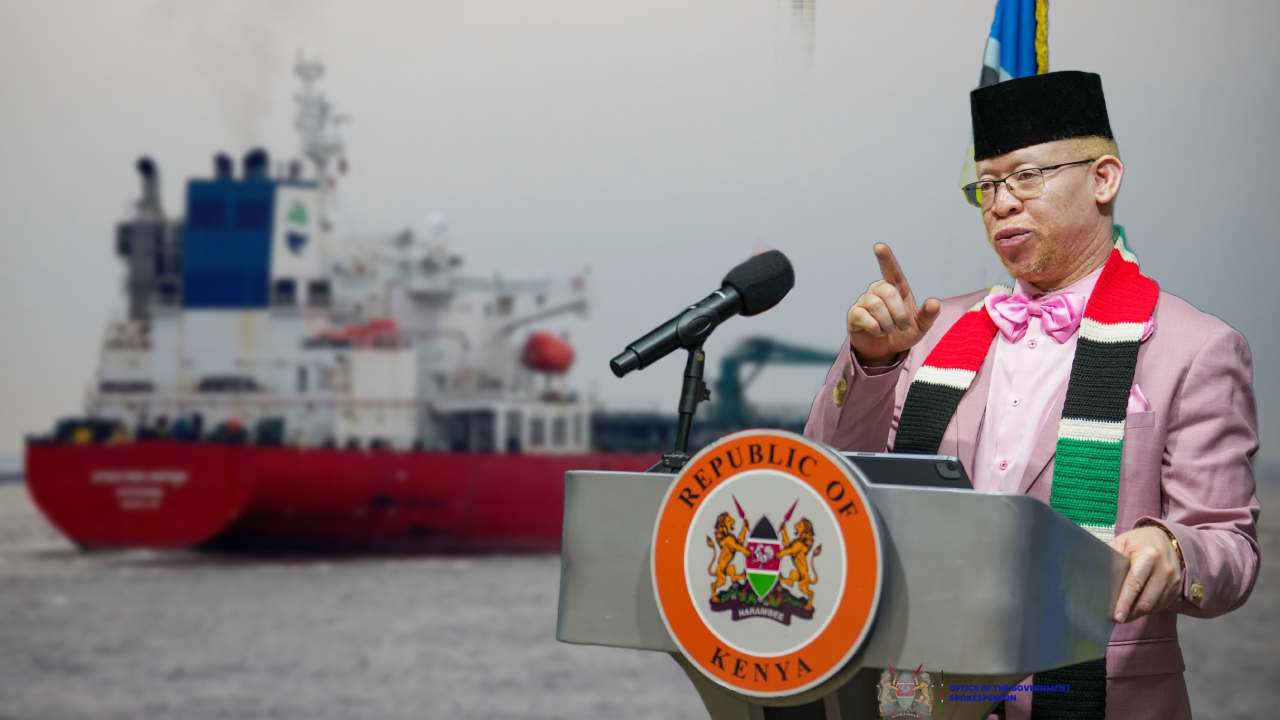
The government has defended its Government-to-Government (G-to-G) fuel import arrangement, saying the model has played a key role in stabilizing Kenya’s fuel supply and cushioning the economy from global shocks.
Government Spokesperson Isaac Mwaura said the system was introduced in 2022 to address a crisis marked by fuel shortages, rising prices, and a dwindling supply of US dollars needed to finance imports.
Mwaura noted that the previous reliance on spot market purchases left the sector vulnerable to manipulation by some players, resulting in artificial shortages and increased demand for foreign currency.
He explained that the G-to-G framework allows Kenya to source fuel directly from major global suppliers such as Saudi Aramco, ADNOC, and ENOC, effectively cutting out intermediaries.
According to Mwaura, this direct procurement model enables the government to negotiate prices in advance and plan shipments more efficiently, bringing predictability to the fuel supply chain.
The spokesperson said the G-to-G system has ensured a consistent fuel supply over the past three years, eliminating the shortages that previously disrupted the market.
He added that the arrangement has eased pressure on the US dollar by reducing speculative demand, contributing to a more stable Kenyan shilling, lower inflation, and improved foreign exchange reserves.
Mwaura dismissed criticism of the program, insisting that claims it has not benefited Kenyans are misleading.
Addressing concerns about the controversial MV Paloma shipment, he described it as an isolated case. He noted that the cargo was excluded from fuel pricing calculations to shield consumers from higher costs, maintaining that most imports under the G-to-G deal have been secured at favorable rates.
Amid concerns over rising global fuel prices, the government says it has implemented several measures to protect consumers and businesses.
Mwaura revealed that authorities have intervened to prevent diesel prices from exceeding KSh 230 per litre, deploying a KSh 6.2 billion stabilization fund through the Petroleum Development Levy to absorb part of the cost increases.
In addition, the government temporarily reduced Value Added Tax (VAT) on petroleum products from 16 percent to 8 percent, a move aimed at lowering pump prices.
He also confirmed that fuel subsidies remain in place to moderate costs, even as existing levies continue to support infrastructure development, particularly road construction projects intended to ease transport costs and spur economic growth.
The government maintains that while global fuel prices remain volatile, the G-to-G model has provided a more stable and predictable framework for managing supply and pricing.
As pressure mounts over the cost of living, officials say the focus remains on shielding consumers while ensuring the country maintains a reliable fuel supply.