The government says it is making steady progress in key sectors, including education, economic stability, women empowerment, and governance reforms, under the Bottom-Up Economic Transformation Agenda (BETA).
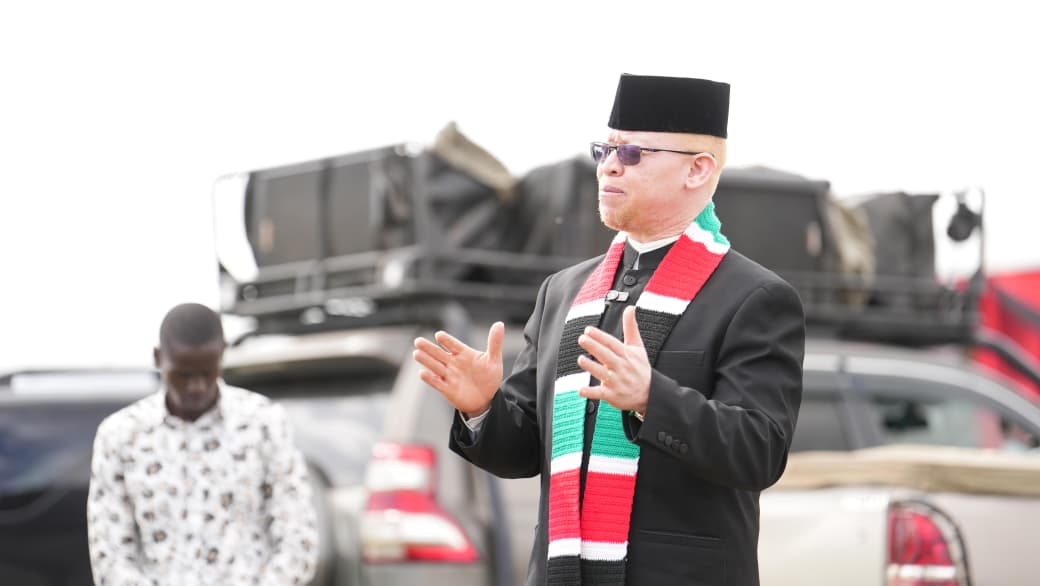
Speaking during a press briefing at Harambee Annex in Nairobi, Government Spokesperson Isaac Mwaura said the administration remains committed to addressing the national teacher shortage, noting that 116,000 teachers are targeted for recruitment.
He said more than 100,000 teachers have already been employed, with the remaining gap still under legal and administrative processes involving relevant government agencies.
“The government remains fully committed to ensuring we bridge the teacher deficit in a structured and lawful manner, working closely with all relevant institutions,” he said.
On economic performance, Mwaura highlighted improved macroeconomic stability, citing reduced inflation, a stable shilling, and strong GDP growth projections of 5.5 per cent for the 2025/26 financial year.
He noted that strengthened revenue collection, progress in debt servicing, and increased tourism numbers are boosting investor confidence and economic resilience.
In the energy sector, the government outlined plans to expand installed capacity from 3,271 megawatts to 10,000 megawatts within five years through diversified sources, including nuclear energy projects in Siaya and Kilifi, which are expected to create thousands of jobs.
“Our focus is to secure Kenya’s long-term energy future through diversified and sustainable sources of power generation,” he said.
On social and sectoral support, the government reported the settlement of multi-billion-shilling debts in the coffee and sugar sectors, aimed at stabilising operations and ensuring timely payments to workers.
It also emphasised continued investments in agriculture, MSME financing, and affordable housing, with nearly half of the housing units allocated to women.
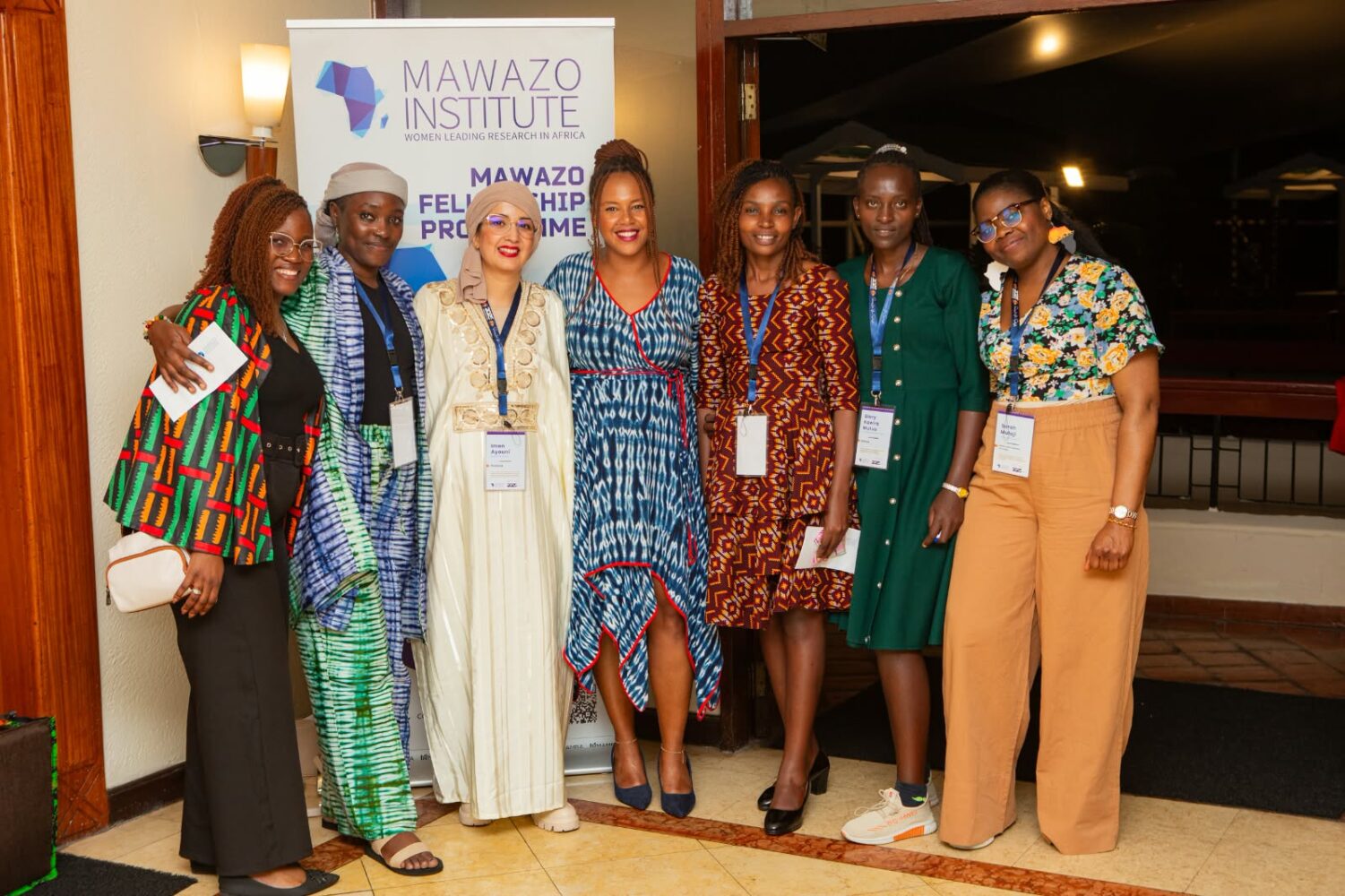
Mwaura further highlighted progress in women’s empowerment, noting increased representation in governance, expanded access to health services, and widespread participation in government economic programmes such as the Women Enterprise Fund, NGAAF, and the Hustler Fund.
“Women’s inclusion remains central to our development agenda, and we are deliberately expanding opportunities to ensure no one is left behind,” he said.
On governance and civic participation, he reported that over 344,000 new voters have been registered and urged young people to take an active role in shaping the country’s democratic future.
He also confirmed preparations for the upcoming African Cup of Nations (AFCON), noting that Kenya and partner states have already made significant financial commitments toward infrastructure readiness.
The government also announced revised guidelines for the National Drama Festivals, aimed at improving standards, protecting learners, and promoting creativity while prohibiting harmful content and unsafe performance practices.
“We want a drama festival that nurtures talent responsibly while safeguarding learners and upholding our cultural values,” he added.
Mwaura concluded that the reforms across sectors reflect the government’s commitment to economic stability, inclusive growth, and long-term national transformation.