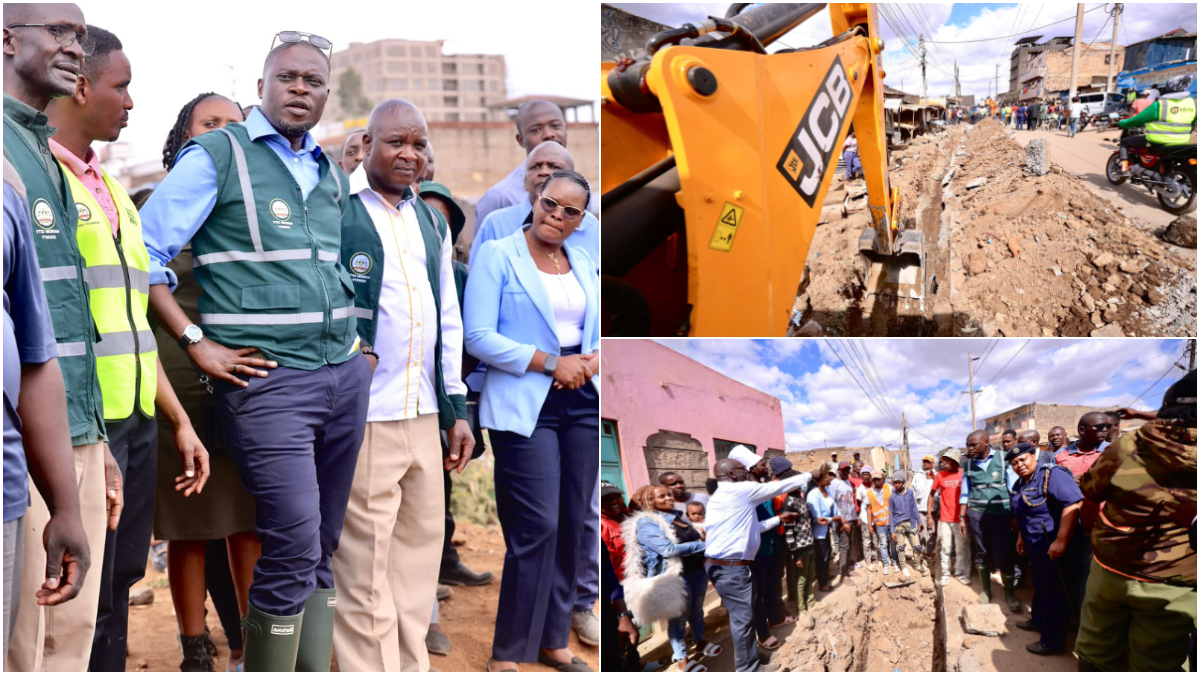
Nairobi Governor Sakaja Johnson has outlined a six-point intervention plan being implemented by the Sakaja-led multi-agency team to protect lives and property as the city braces for El Niño rains.
Speaking on his latest podcast, which focused on Nairobi’s preparedness and response to El Niño, the Governor explained that the measures include clearing Nairobi’s waterways, relocating residents from high-risk areas, keeping drainage systems clear, strengthening community preparedness and ensuring emergency agencies are able to respond rapidly to flooding.
The first intervention involves restoring the capacity of Nairobi’s major waterways, including the Nairobi, Ngong and Mathare rivers, together with their tributaries.
The County is undertaking desilting, dredging, deepening and reclaiming riparian corridors to improve water flow and reduce the risk of rivers bursting their banks.
“We have all the machinery required for this work. So far, we have addressed the areas that needed intervention, and the work is still ongoing,” Sakaja said.
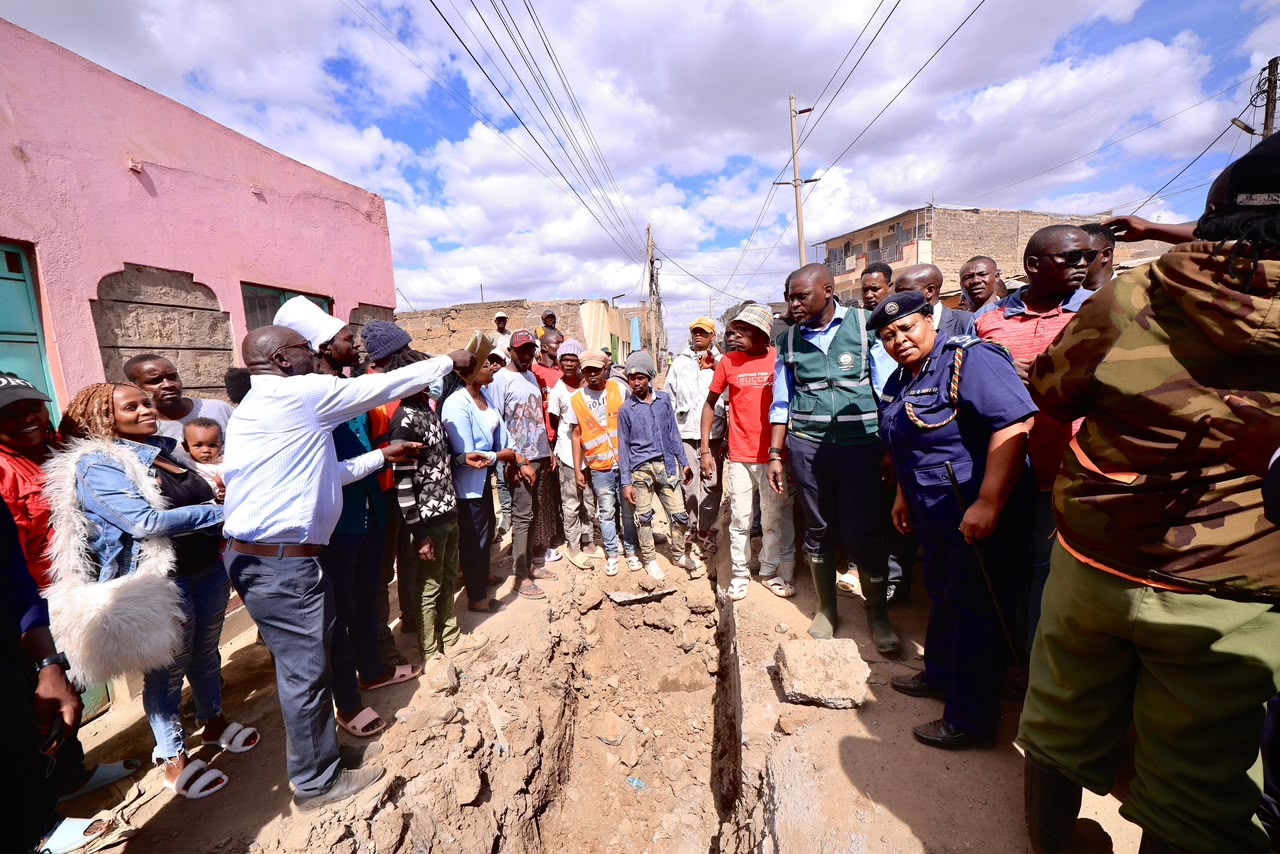

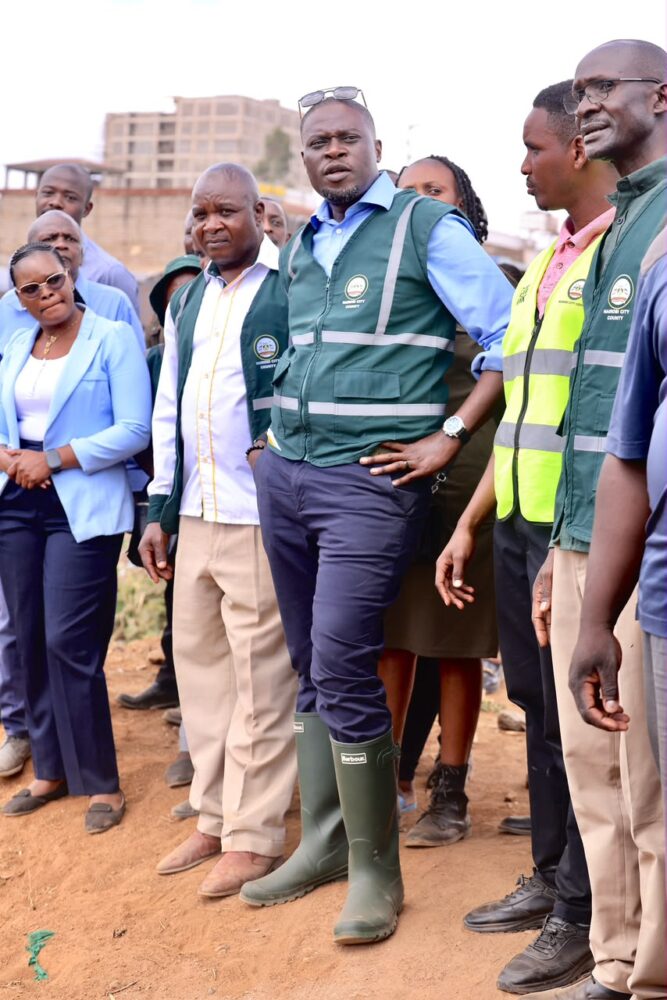
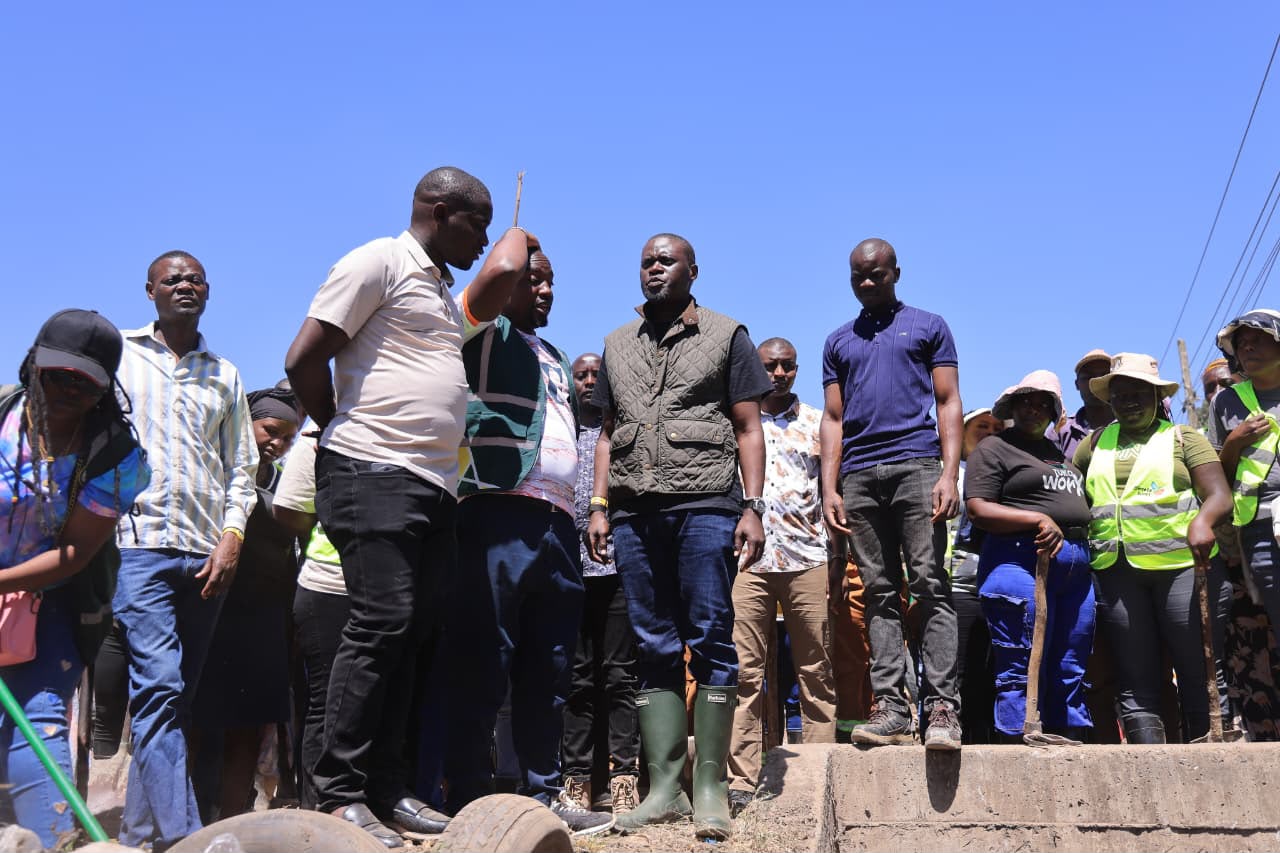
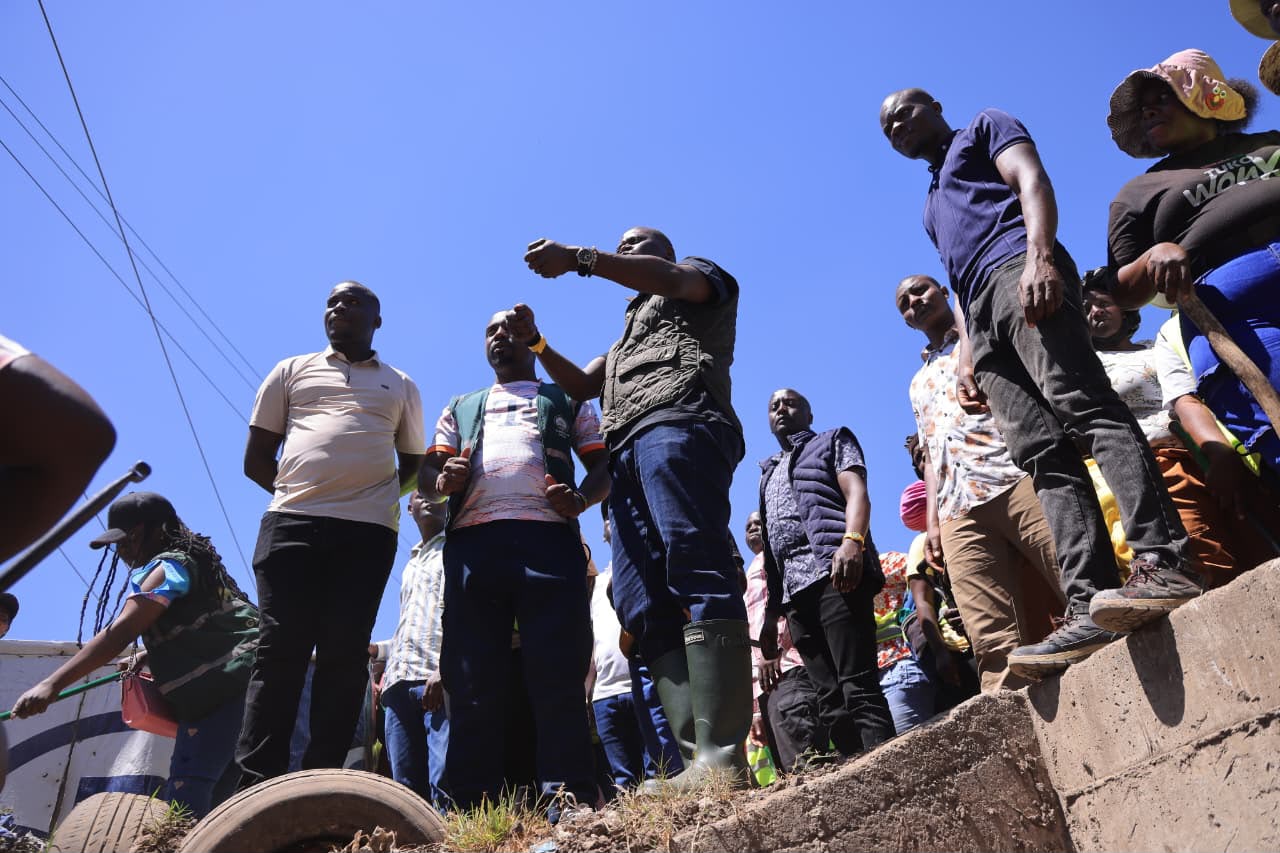
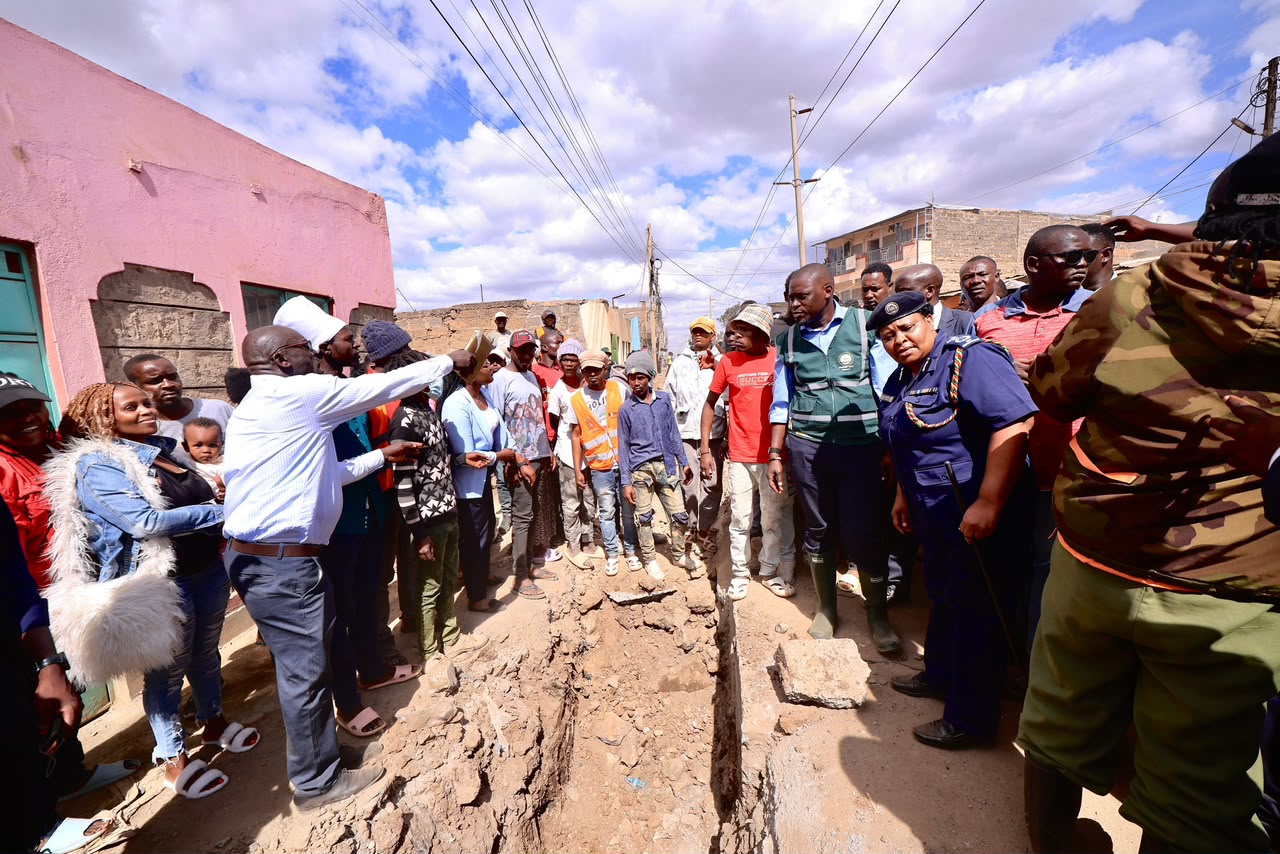

The second pillar involves identifying and relocating residents living in areas at high risk of flooding.
The Governor said residents were being encouraged to voluntarily leave dangerous zones, particularly areas along waterways and riparian reserves.
He cited Naivasha Road and Githogoro as areas where residents had cooperated with efforts to remove structures built on waterways.
“This is to ensure that no lives are lost and property is protected,” he said.
The third intervention focuses on keeping drainage systems and waterways free of waste.
The County has deployed its 4,500 Green Army workers to clean and unclog drainage systems and collect garbage across the city.
Sakaja said Nairobi currently collects approximately 3,200 tonnes of garbage every day, which is taken for proper disposal.
He urged residents to complement the County’s efforts by keeping their surroundings clean and avoiding dumping waste in drainage channels.
“The public can also help us by not littering and by ensuring that their workplaces and surroundings are kept clean,” he said.
The fourth pillar uses Nairobi’s new six-borough administrative system to strengthen community mobilisation and preparedness.
Borough managers are conducting civic education sessions with residents, educating communities on how to prepare for heavy rains, what to avoid and what action to take in the event of flooding.
Sakaja said the borough structure had strengthened the County’s ability to coordinate interventions and communicate directly with communities at the local level.
The fifth intervention brings together County and national agencies under a coordinated emergency response framework.
The multi-agency team includes KURA, KeNHA, KeRRA, Kenya Red Cross, NDOC and the County Disaster Management team, among others.
The agencies are expected to coordinate interventions before, during and after the rains, including emergency evacuations and rescue operations.
To strengthen coordination, the County has established an Emergency Operations Centre at Charter Hall, where senior representatives of the various agencies can make rapid decisions when emergencies occur.
“We have all the agencies represented at the highest level to enable quick decision-making and response to emergencies, including evacuations,” Sakaja said.
The sixth intervention focuses on strengthening the capacity of emergency teams through training and simulation exercises.
Members of the multi-agency team have been trained to respond to El Niño-related emergencies, while a two-day simulation exercise was conducted at Uhuru Park to test their preparedness, coordination and response capabilities.
Sakaja said the exercise was designed to identify gaps and ensure that agencies can work together effectively when faced with flooding emergencies.
The Governor said the County was determined to minimise the impact of the rains through early intervention, community preparedness and coordinated emergency response.