Kenya’s tea farmers are increasingly worried after reports that over Sh3 billion worth of tea is stuck in warehouses and at the Port of Mombasa due to shipping delays linked to ongoing tensions affecting Middle East maritime routes.
The Kenya Tea Development Agency (KTDA) says disruptions along key global shipping routes, including the Red Sea corridor linking the Bab el Mandeb Strait and the Strait of Hormuz, have slowed exports. These routes are essential for ships heading to Middle East markets.
About 8 million kilograms of tea are reportedly stranded, with the Middle East accounting for roughly 20–25% of Kenya’s tea exports. Industry estimates suggest weekly losses could be as high as $8 million due to delays, storage costs, and rising shipping charges.
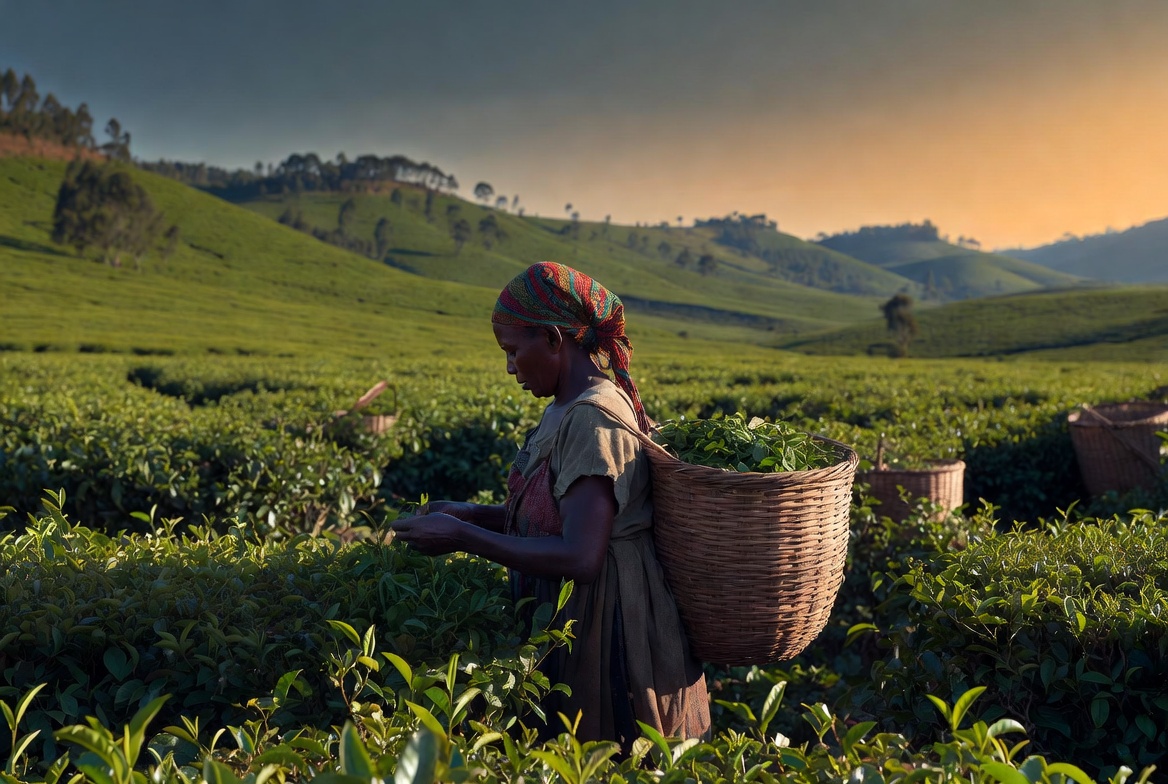
Farmers say the situation is worrying because tea is their main source of income. Delays in exports often mean slower payments from factories and reduced cash flow at the household level, especially for smallholders who depend on regular monthly earnings.
Shipping companies are now rerouting vessels around the southern tip of Africa to avoid high-risk zones. While safer, the longer journey increases fuel costs and transit time, adding pressure to exporters and reducing competitiveness in key markets.
Stakeholders are calling for faster long-term solutions, market diversification and stronger logistics systems. For farmers, the immediate concern is getting their tea out of warehouses and into global markets.