NAIROBI — United Nations official Maher Nasser has urged governments and communities to confront climate change, rising inequality and the rapid growth of artificial intelligence through stronger global cooperation.
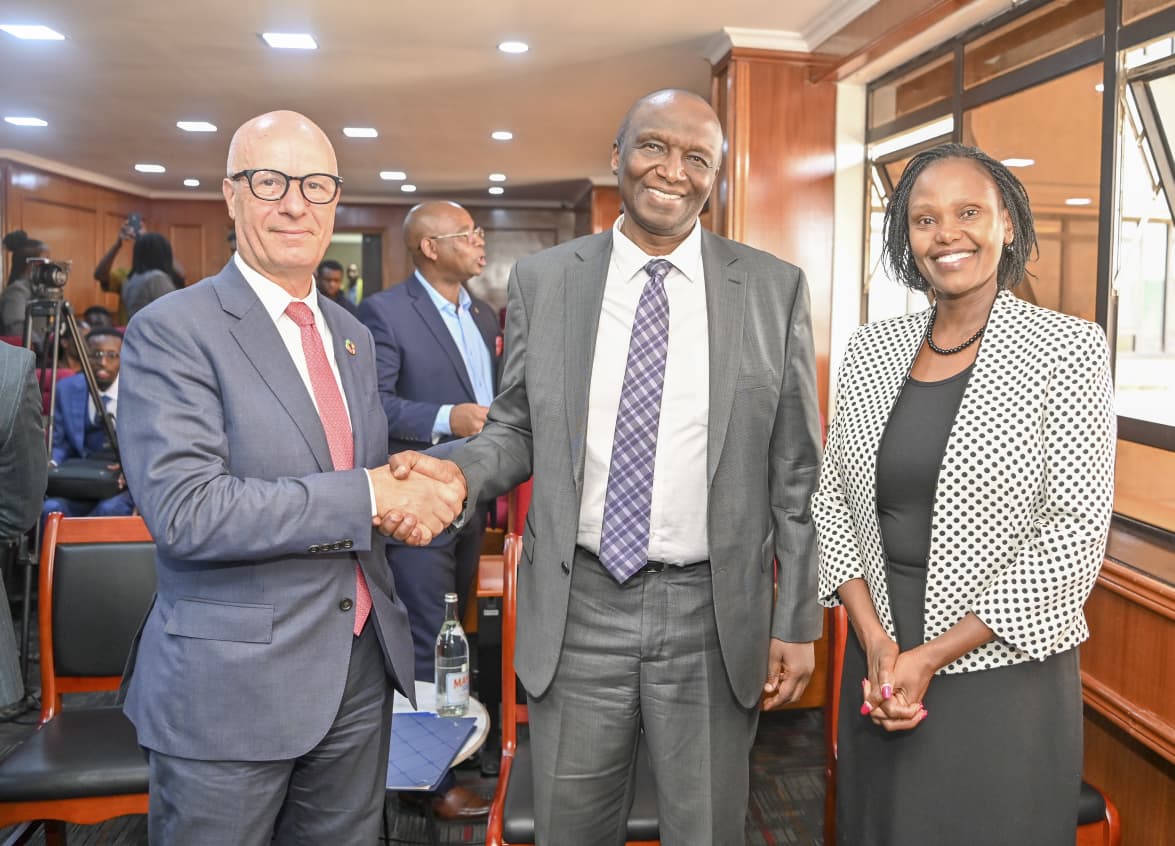
Nasser, Director of the Outreach Division at the United Nations Department of Global Communications, made the call while delivering the keynote address at a public lecture hosted by Mount Kenya University’s Institute of International Development Law and African Studies (IIDLAW) at its Parklands School of Law in Nairobi. MKU Vice-Chancellor Prof. Deogratius Jaganyi gave the welcoming remarks.
The lecture examined how volunteerism and new technologies can advance peace and sustainable development. It marked the International Year of Volunteers 2026 and highlighted the role of community action in achieving the Sustainable Development Goals (SDGs).
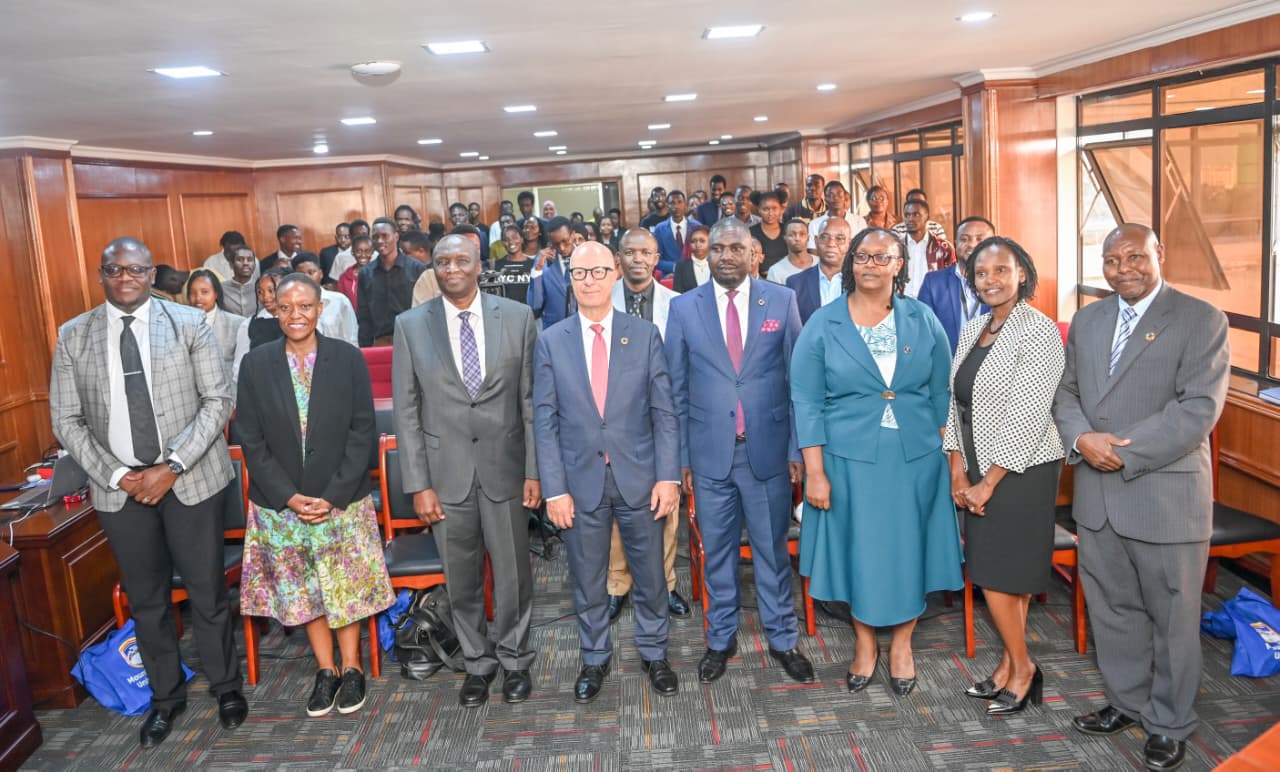
Nasser pointed to Africa’s record in education and innovation, citing Morocco’s Al-Qarawiyyin and Egypt’s Al-Azhar as historic centres of learning. He also singled out Kenya’s M-Pesa as an innovation with influence beyond the country.
With the United Nations Volunteers programme marking 55 years, Nasser urged young people to take part in community service, saying volunteering helps build practical skills, strengthen communities and develop active global citizens.
Wairimu Kamau, a senior official at the State Department for Social Protection and Senior Citizen Affairs, said volunteer work can give young people practical experience, professional networks and skills valued in the workplace. She said technology can help recruit and train volunteers and track their impact, but stressed the need to protect personal data, widen access and bridge the digital divide.
Kamau praised MKU’s community service model and called on universities to make service hours part of their curricula.
At MKU, student volunteers are taking on community challenges through the Millennium Fellowship, a global initiative supported by the United Nations Academic Impact. The programme trains students in project management and resource mobilisation. Over the past two years, MKU participants have led initiatives in healthcare, housing, education and other areas.
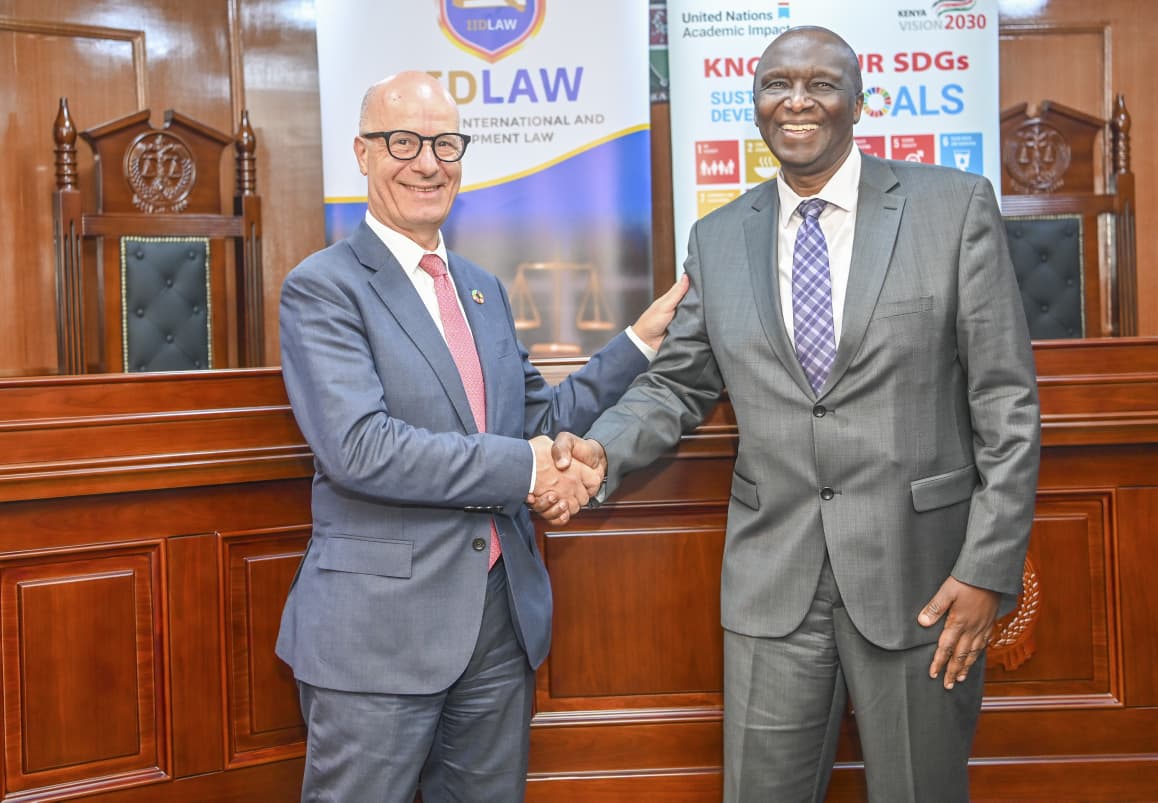
To sustain the work despite limited fellowship places and funding, the university community established the Millennium Campus Network Club. The Career Office and School of Social Sciences work with undergraduate students through the club to support SDG-focused volunteer projects.
Ian Mwangi, a 2025 fellowship beneficiary studying medicine at MKU’s Thika Campus, said the club connects current and former volunteers to mentor new participants, share resources and expand community initiatives.
Participants discussed using technology to strengthen volunteer work in health, education, disability inclusion and environmental conservation. Student leaders called for clearer guidance and greater access to formal recognition and global platforms to help volunteers build experience while serving their communities.
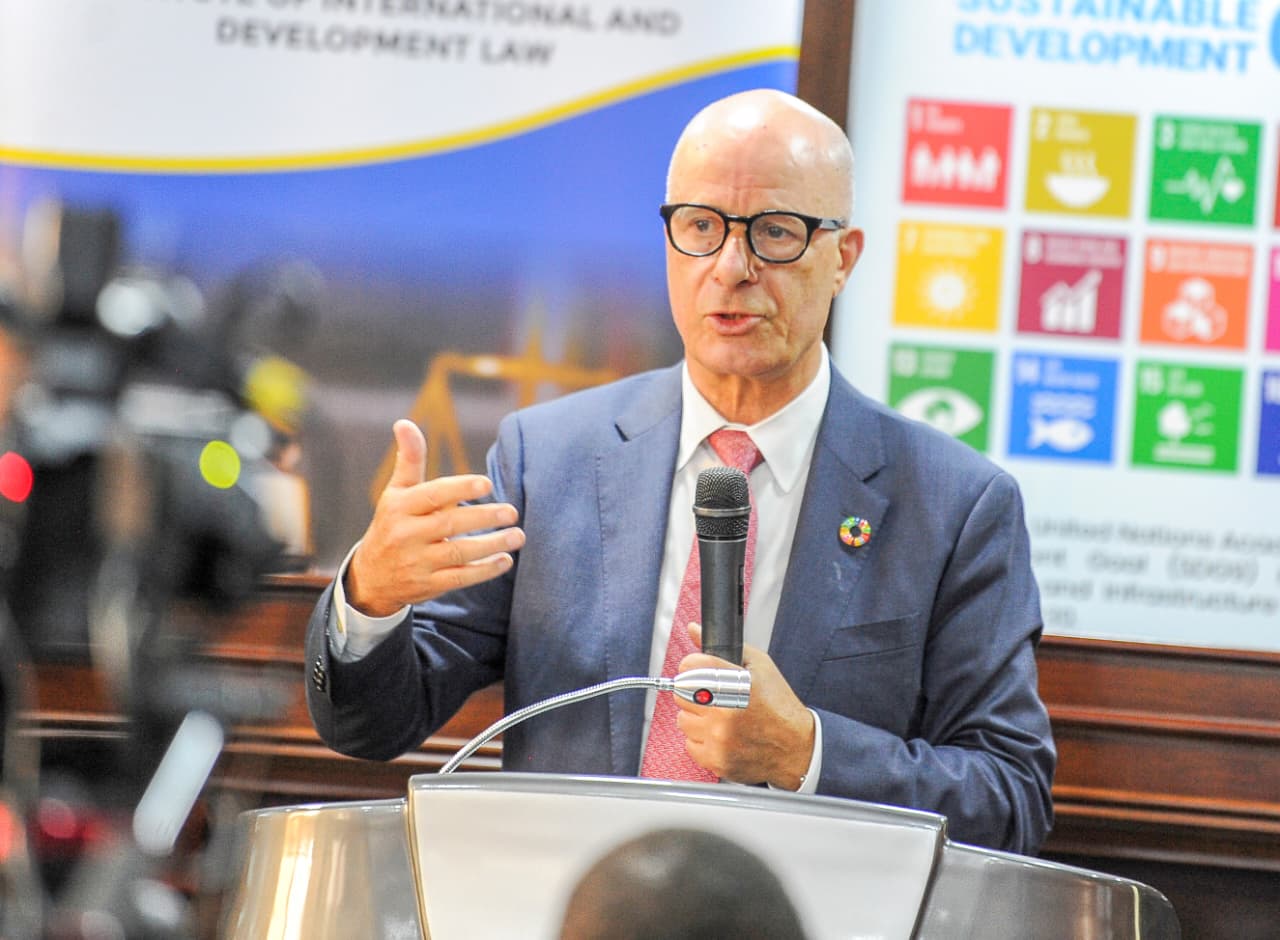
MKU’s hosting of Nasser was linked to its role as the United Nations Academic Impact SDG 9 Hub Chair for Industry, Innovation and Infrastructure. The five-year appointment runs from 2025 to 2030, with higher education institutions in Japan, Spain and Canada serving as vice-chairs.