
Concerns over the detention and treatment of Shincheonji Church of Jesus founder and leader Lee Man-hee have been raised before the United Nations Human Rights Council, with rights organizations calling for an independent medical assessment and alternatives to pretrial detention.
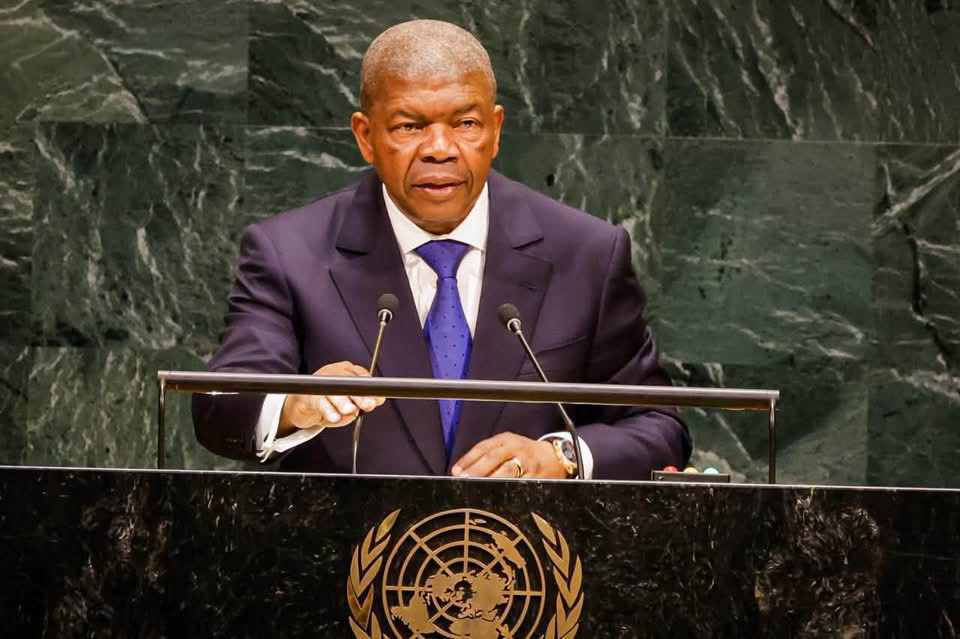
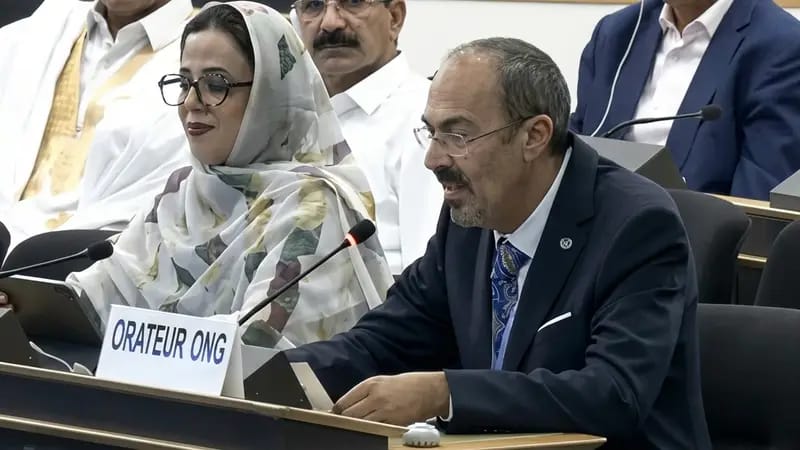
CAP Freedom of Conscience raised the case during the general debate under Item 3 of the 63rd session of the UN Human Rights Council in Geneva on September 18, 2026. Item 3 focuses on the promotion and protection of all human rights.
The organization said Lee, 95, a veteran of the Korean War, was being held at the Seoul Detention Center in the Republic of Korea while facing non-violent charges.
CAP Freedom of Conscience expressed concern over what it described as a potentially politically driven and discriminatory investigation involving a religious minority.
It also raised concerns about the conditions under which Lee was being detained, particularly during a severe heat wave in Seoul.
According to the organization, Lee was held in cells without air conditioning despite his advanced age. Further it argued that the conditions raised serious questions about his welfare and access to appropriate healthcare.
The organization argued that Lee’s fixed residence and the absence of an identified flight risk should be considered when assessing whether continued pretrial detention is necessary.
The case has also attracted attention in South Korea, where Lee has faced proceedings over allegations relating to the forced enrolment of followers into the People Power Party.
South Korean media reported in September that courts had temporarily suspended his detention on health grounds before the detention arrangements were reviewed.
CAP Freedom of Conscience referred to several international human rights standards in its submission to the council.
It cited Article 9 of the International Covenant on Civil and Political Rights, which addresses arbitrary detention and requires detention to meet standards of necessity and proportionality. It also referred to Article 10, which requires humane treatment of people deprived of their liberty.
The organization also invoked the Nelson Mandela Rules on the treatment of prisoners, particularly provisions concerning healthcare, as well as the Tokyo Rules, which promote alternatives to imprisonment and identify pretrial detention as a measure that should be used only when necessary.
Freedom of religion or belief under Article 18 of the ICCPR was also highlighted in the statement.
CAP Freedom of Conscience urged the Human Rights Council to call on the South Korean authorities to meet their international obligations by considering alternatives to detention, permitting an independent medical assessment of Lee and ensuring that proceedings against him are conducted fairly and impartially.
The UN’s official transcript of the September 18 session records the intervention, including the organization’s concerns about Lee’s age, detention conditions, freedom of religion and the application of international standards on pretrial detention.