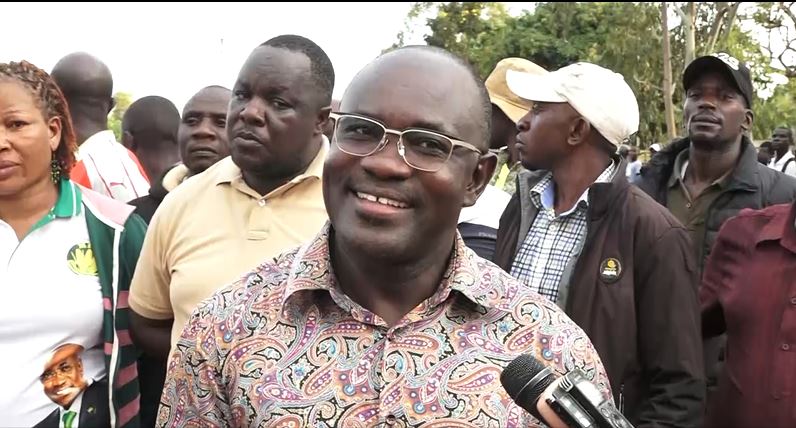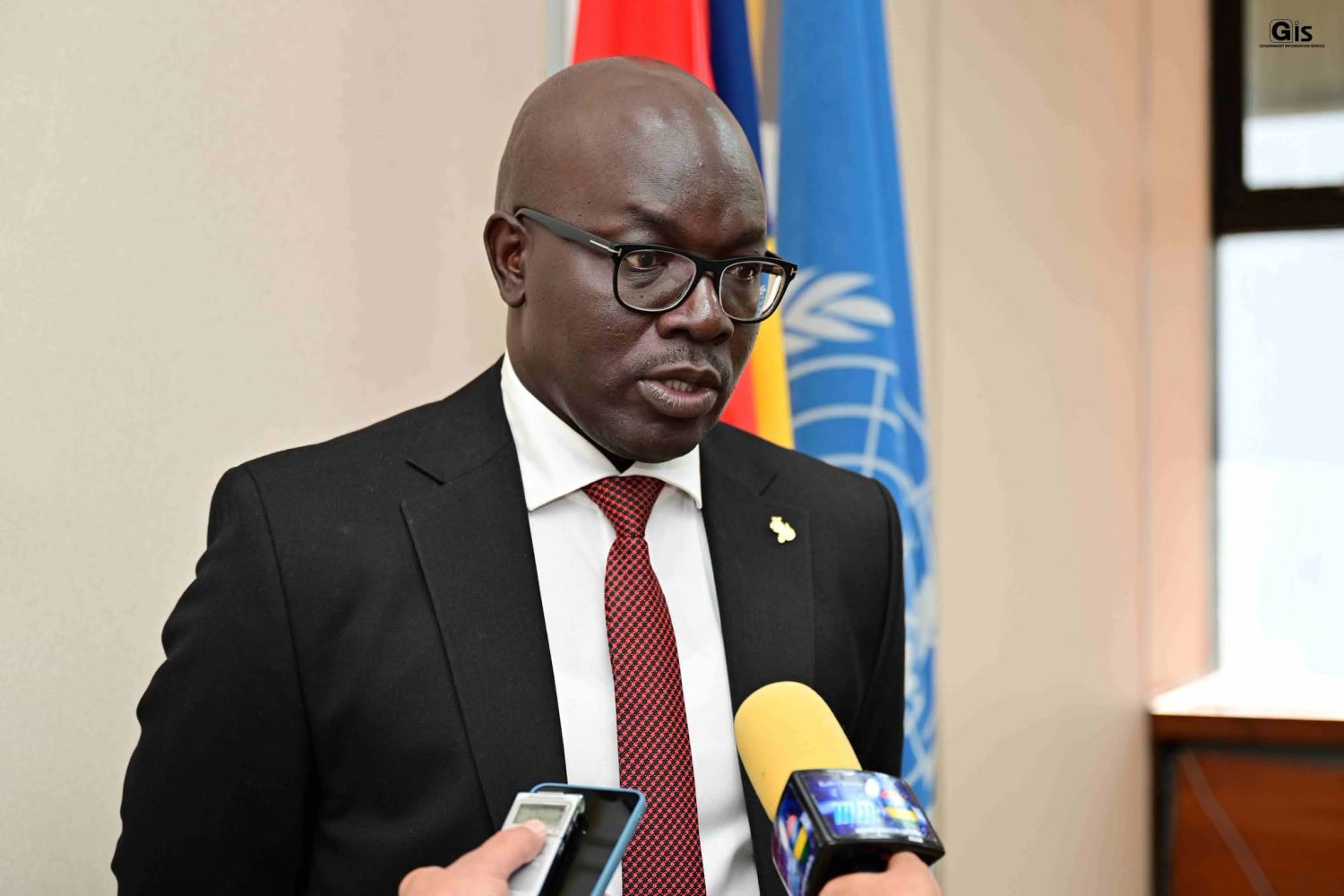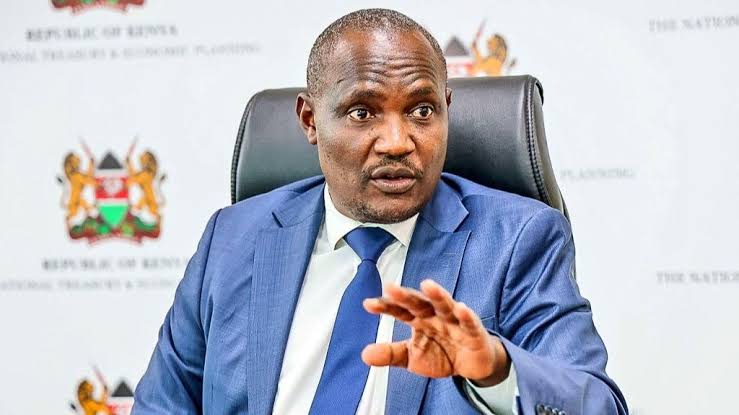
Treasury Cabinet Secretary John Mbadi has underscored the government’s intensified focus on education, saying Kenya is now recruiting teachers at a significantly higher rate than in previous administrations.
Speaking on the floor of the National Assembly during the 2026/27 budget presentation on June 11, Mbadi said the current administration has expanded teacher employment to strengthen service delivery in schools across the country.
“There is no other government that has ever employed more than 10,000 teachers per year. This government is employing on average 20,000 teachers per year,” he said.
Mbadi also proposed a massive Ksh 784.5 billion allocation to the Education sector in the 2026/2027 financial year.
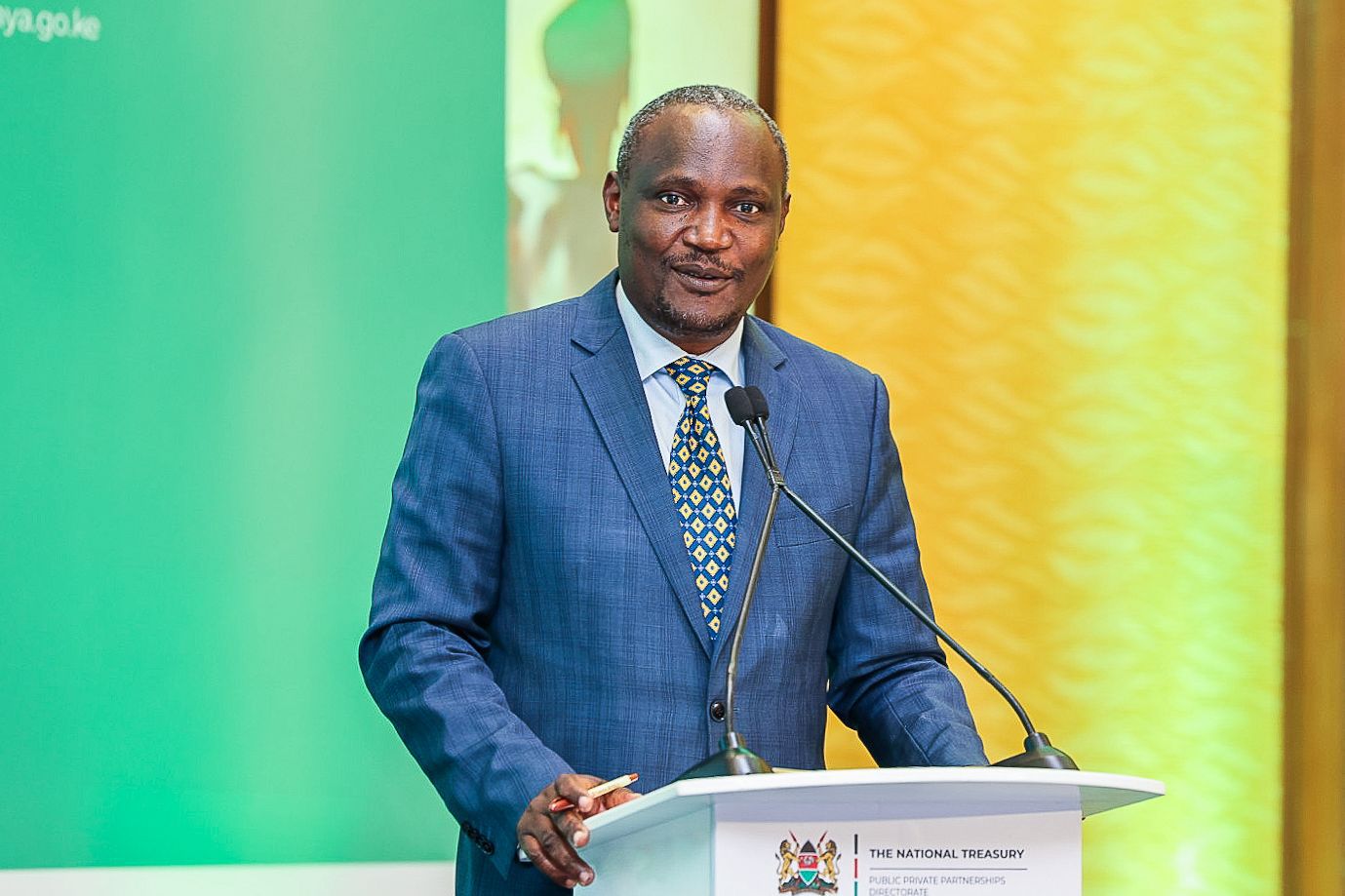
This makes Education the biggest winner in the Ksh 4.8 trillion national budget, representing 26.4% of the total spending plan. While presenting the 2026/2027 budget estimates CS Mbadi refuted claims that the government is defunding education.
Mbadi made the remarks as he outlined broader budget allocations aimed at supporting key social and economic sectors, including land reforms and community governance structures.
He proposed KSh9.4 billion for the settlement of landless Kenyans, with KSh5 billion earmarked for landless communities in the Coast region.
An additional KSh892 million has been set aside for the processing and registration of title deeds, while KSh388 million will go towards digitisation of land registries.
According to the CS, the digitisation programme is intended to enhance land tenure security, reduce disputes, and improve productivity through better land use systems.
The Treasury also proposed KSh3.9 billion for stipends to village elders, aimed at strengthening grassroots administration and recognizing their role in maintaining security and addressing social challenges.
The funding, Mbadi said, is part of a broader strategy to support local governance structures while improving service delivery at the community level.
The budget presentation highlighted continued government investment in human capital development, land reforms, and grassroots leadership support as key pillars of the 2026/27 fiscal plan.