Illegal logging, pollution, encroachment and climate change continue to threaten Kenya’s mangrove ecosystems, prompting renewed calls for coordinated action to protect one of the country’s most valuable coastal resources.
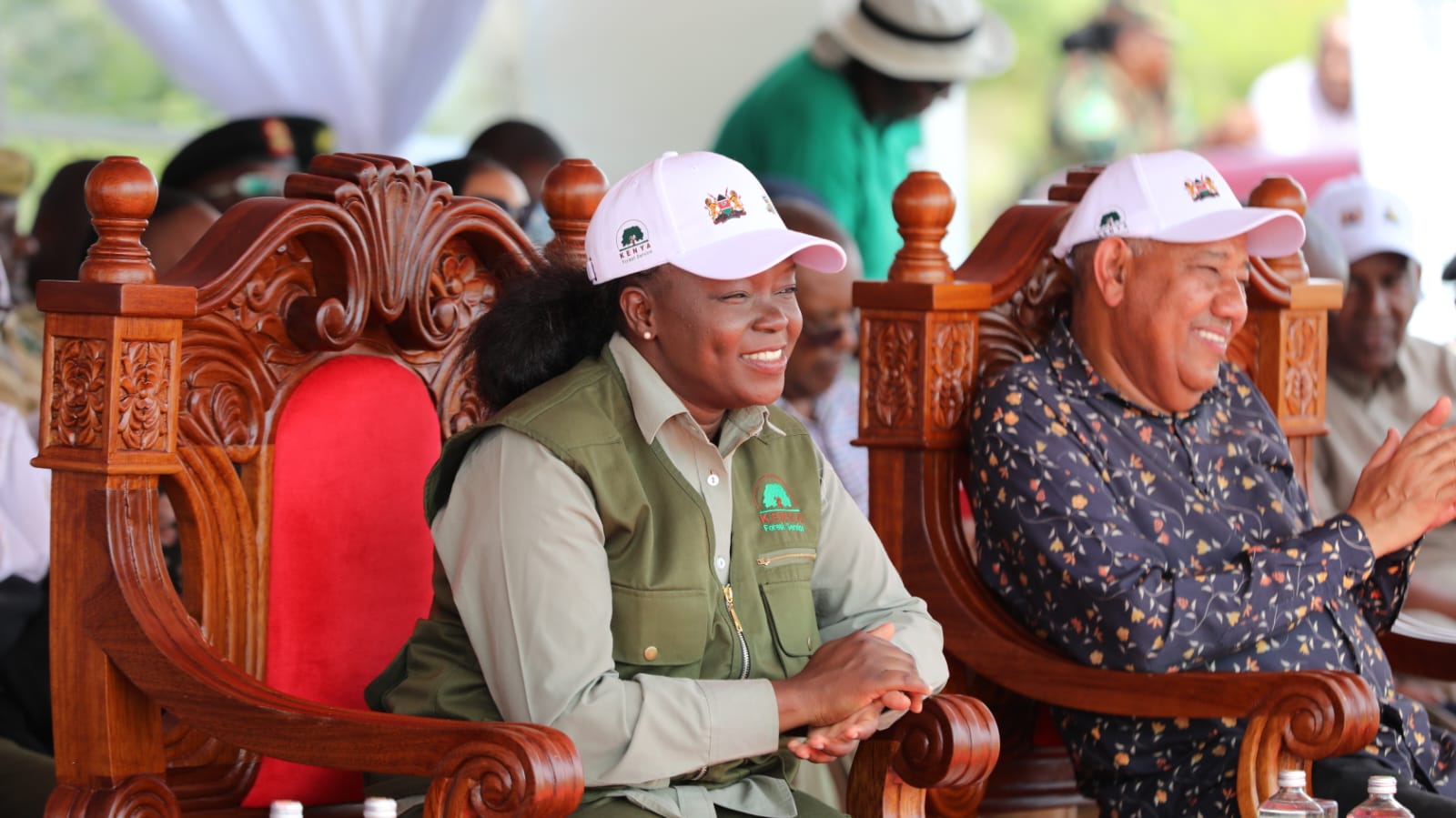
The growing pressure on the forests has brought together government agencies, researchers, conservation organisations, development partners and coastal communities in Mokowe, Lamu County, for this year’s World Mangrove Day celebrations, where stakeholders are seeking practical solutions to reverse the decline.
Kenya’s mangrove forests cover about 61,271 hectares along the country’s 536-kilometre coastline, with Lamu County hosting nearly two-thirds of the country’s mangrove cover.
Besides shielding coastlines from erosion and storm surges, the forests provide breeding grounds for fish, store large amounts of blue carbon and support thousands of households that depend on marine resources.
Experts meeting during the celebrations warned that continued degradation of mangrove ecosystems is already affecting fisheries production, reducing the availability of quality mangrove timber and contributing to the loss of seagrass beds and coral reefs that sustain marine biodiversity.
The World Mangrove Day event follows a two-day National Mangrove Stakeholder Forum that reviewed the implementation of the National Mangrove Ecosystem Management Plan (2017–2027) and examined how Kenya can strengthen conservation efforts beyond the life of the current strategy.
Participants at the forum assessed progress made over the past decade while identifying persistent challenges, including weak coordination, inadequate financing, unsustainable exploitation of mangrove resources and the growing impacts of climate change on coastal ecosystems.
The discussions also focused on strengthening cooperation between government agencies, county governments, research institutions, Community Forest Associations, conservation organisations and development partners to improve restoration efforts and ensure local communities play a greater role in protecting mangrove forests.
Stakeholders further explored opportunities for private sector investment and innovative financing to support restoration projects, while emphasizing the need for stronger governance and continuous monitoring to safeguard the country’s coastal ecosystems.
The recommendations emerging from the forum are expected to inform the next National Mangrove Management Strategy, providing a roadmap for sustainable conservation, restoration and utilisation of mangrove ecosystems.
Organised by the State Department for Forestry in collaboration with the Kenya Forest Service, the Kenya Forestry Research Institute (KEFRI) and partners under the Global Mangrove Alliance, the celebrations highlighted the urgency of protecting mangroves as Kenya works towards its biodiversity, climate change and blue economy commitments.