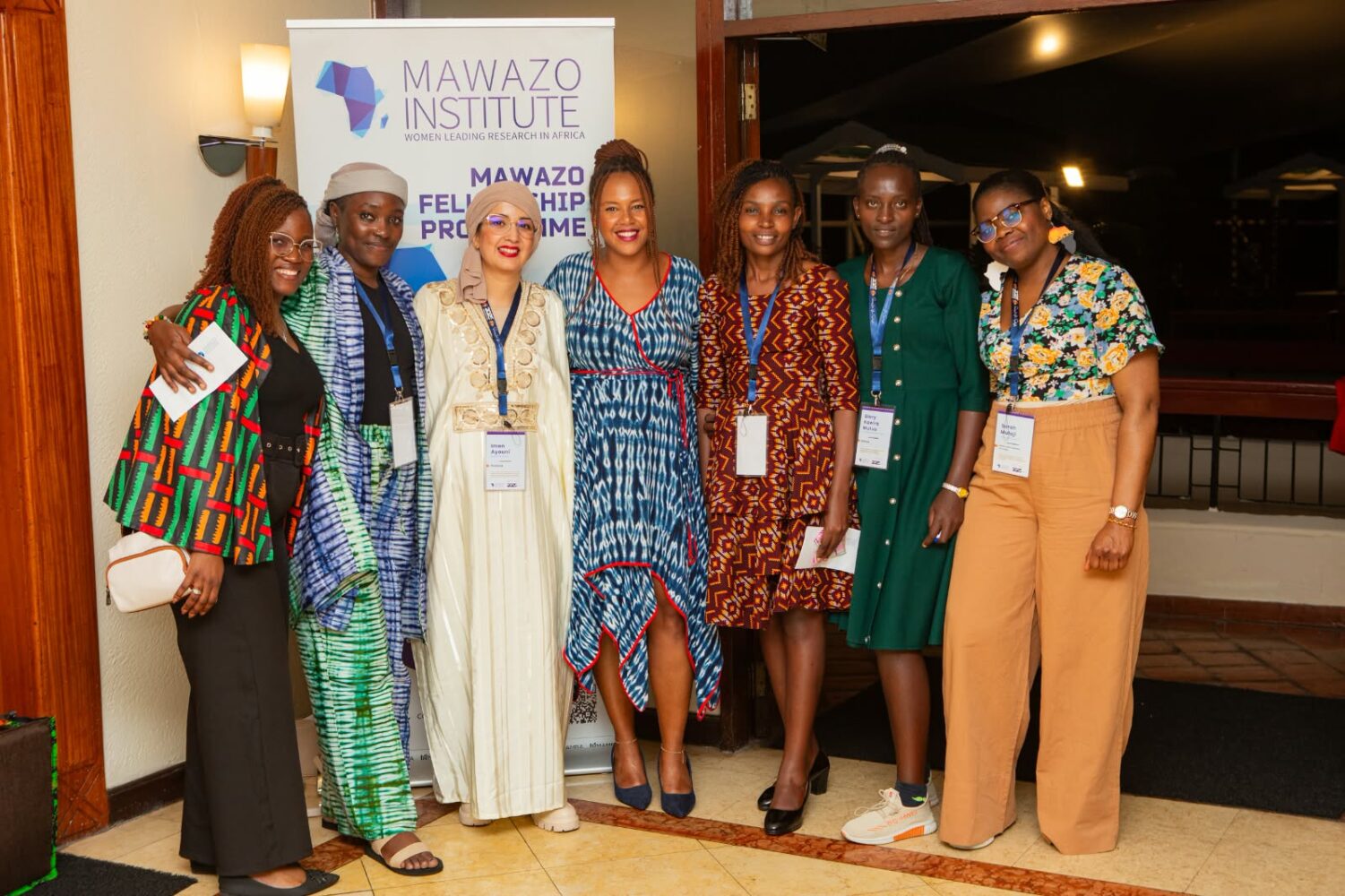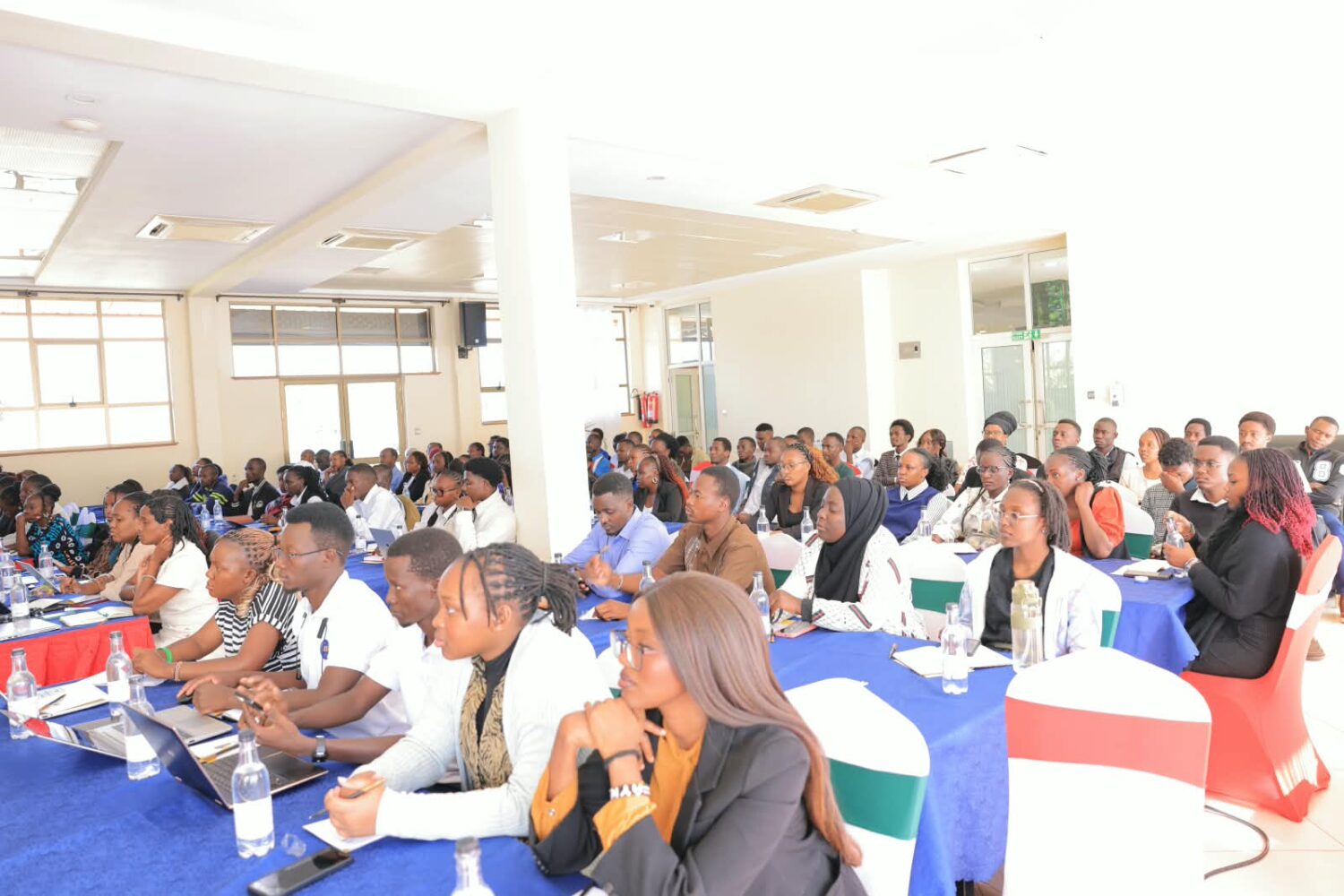
Over 100 youths from all the 47 counties have been brought together for a three-day climate leadership and advocacy training aimed at equipping them with skills to understand climate science and risks, influence policy, access climate finance and drive climate action across the IGAD region.
The forum brings together young people working in climate advocacy from across the country, providing them with an opportunity to deepen their understanding of climate change and strengthen their capacity to participate in policy and decision-making processes.
Speaking during the official opening of the training, Dr. Abdi Fidar, Director of the IGAD Climate Prediction and Applications Centre (ICPAC), said the programme was established through a partnership and support from the Alliance for Green Revolution in Africa (AGRA) to strengthen the capacity of young people to contribute meaningfully to climate action and sustainable development in Africa.
Dr. Fidar said climate change is no longer a distant or external challenge, noting that communities across the IGAD region are already experiencing its effects through droughts, floods, extreme heat, changing rainfall patterns and other climate-related hazards.
“These hazards affect our agriculture and food systems, water resources, livestock, health, ecosystems and livelihoods,” Dr. Fidar said.
He said effective climate leadership should begin with a proper understanding of climate risks warning that knowledge alone was not enough to address the growing crisis.
“Climate leadership must begin with understanding the signs and risks. Knowledge alone is not enough. The real challenge before us is how we move from climate information to decisions, from policy implementation and international commitments to practical action in our communities,” he said.
Dr. Fidar said the training was designed to take participants through the entire climate action cycle, from understanding climate science and risks to responding to the impacts and influencing policies and governance systems.
“During this training, participants will gain a better understanding of climate science, vulnerability, hazards, exposure and impacts,” he said.
He added that the participants would also learn how climate information and scientific evidence can be used to identify risks and support decision-making at community, national and regional levels.
“The youths have learnt to respond to climate risks by exploring adaptation, mitigation, low-emission development, climate finance and early warning systems,” Dr. Fidar said.
He said climate information was particularly important in helping communities and decision-makers prepare for and respond to extreme weather events.
Dr. Fidar, the training would also equip young people with skills to move beyond being recipients of climate information and become active participants in shaping climate policies and programmes.
“The training is also designed to enable young people to influence climate action, policy and governance systems,” he said.
Dr. Fidar said young people needed to understand how decisions were made, as well as where and how they could strategically engage with decision-makers and institutions responsible for climate policies.
“Young people therefore need to understand how decisions are made and where they can influence those decisions,” he said.
He said the participants would be exposed to key climate policy processes, including National Adaptation Plans and the implementation of commitments under the Paris Agreement.
The training also focused on climate communication, policy dialogue and the use of evidence in influencing policy decisions.
“You also were equipped with knowledge on policy processes, climate communication, policy dialogue and evidence-based policy,” Dr. Fidar said.
He challenged the youth to use the knowledge and networks gained from the training to strengthen climate advocacy within their counties and communities.
Dr. Fidar said meaningful climate action required stronger collaboration among young people, governments, civil society organisations, researchers and other stakeholders.