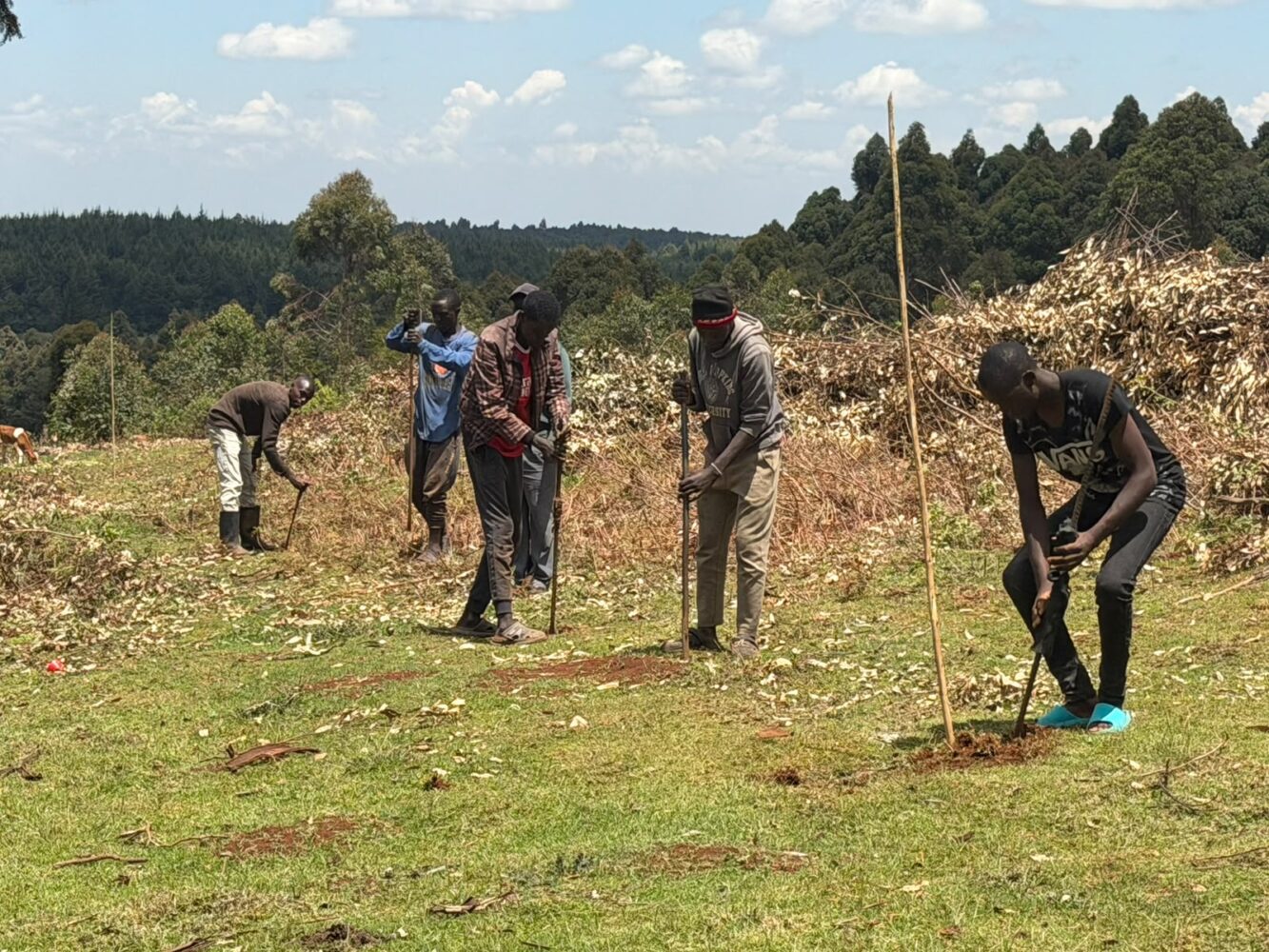
Communities living around Kaptagat Forest are embracing a new community-centred approach to addressing concerns arising from the ongoing forest fencing exercise.
Elders, Community Forest Association members, local leaders and opinion leaders have welcomed the initiative by the Kenya Forest Service (KFS) to establish a community-led Local Conflict Resolution Committee. They say the committee provides a direct platform for communities to raise concerns and have them addressed promptly as fencing progresses.
According to the community representatives, the mechanism will help prevent the politicisation of the fencing exercise, counter misinformation and reduce anxiety among communities living adjacent to the forest.
The committee brings together elders, Community Forest Association representatives, community opinion leaders, religious leaders, the Kenya Forest Service and National Government Administration Officers to address emerging disputes and grievances.
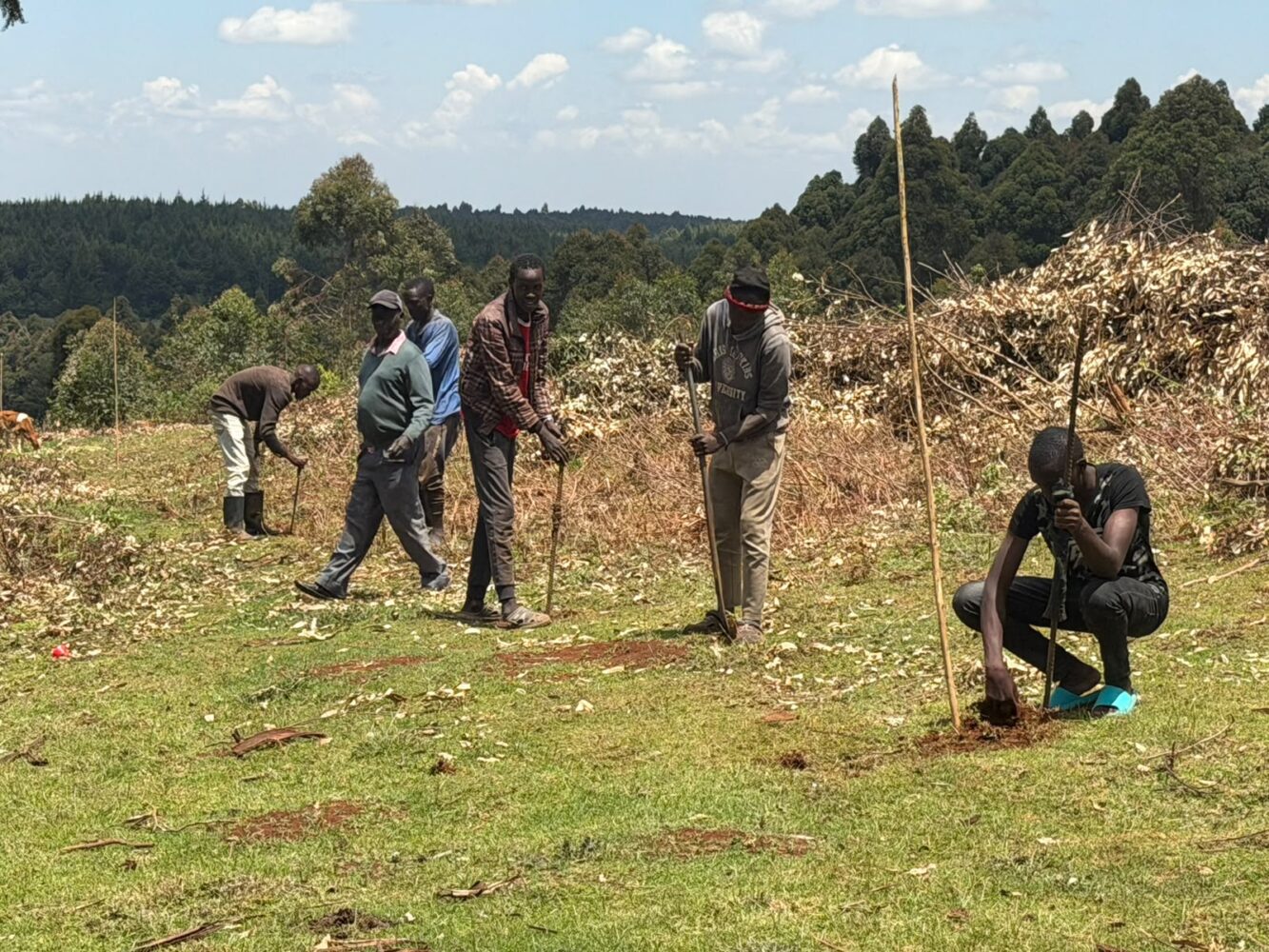
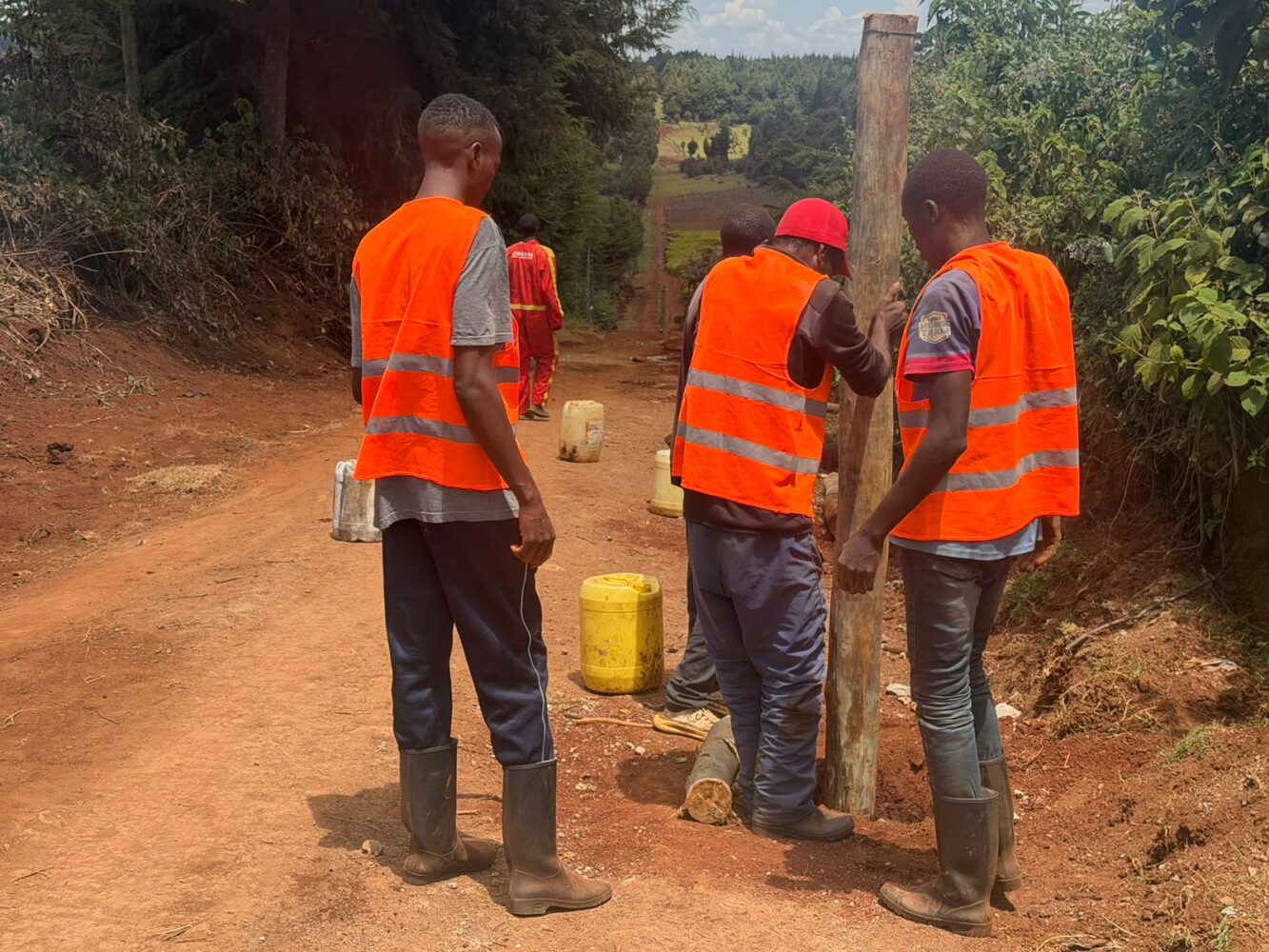
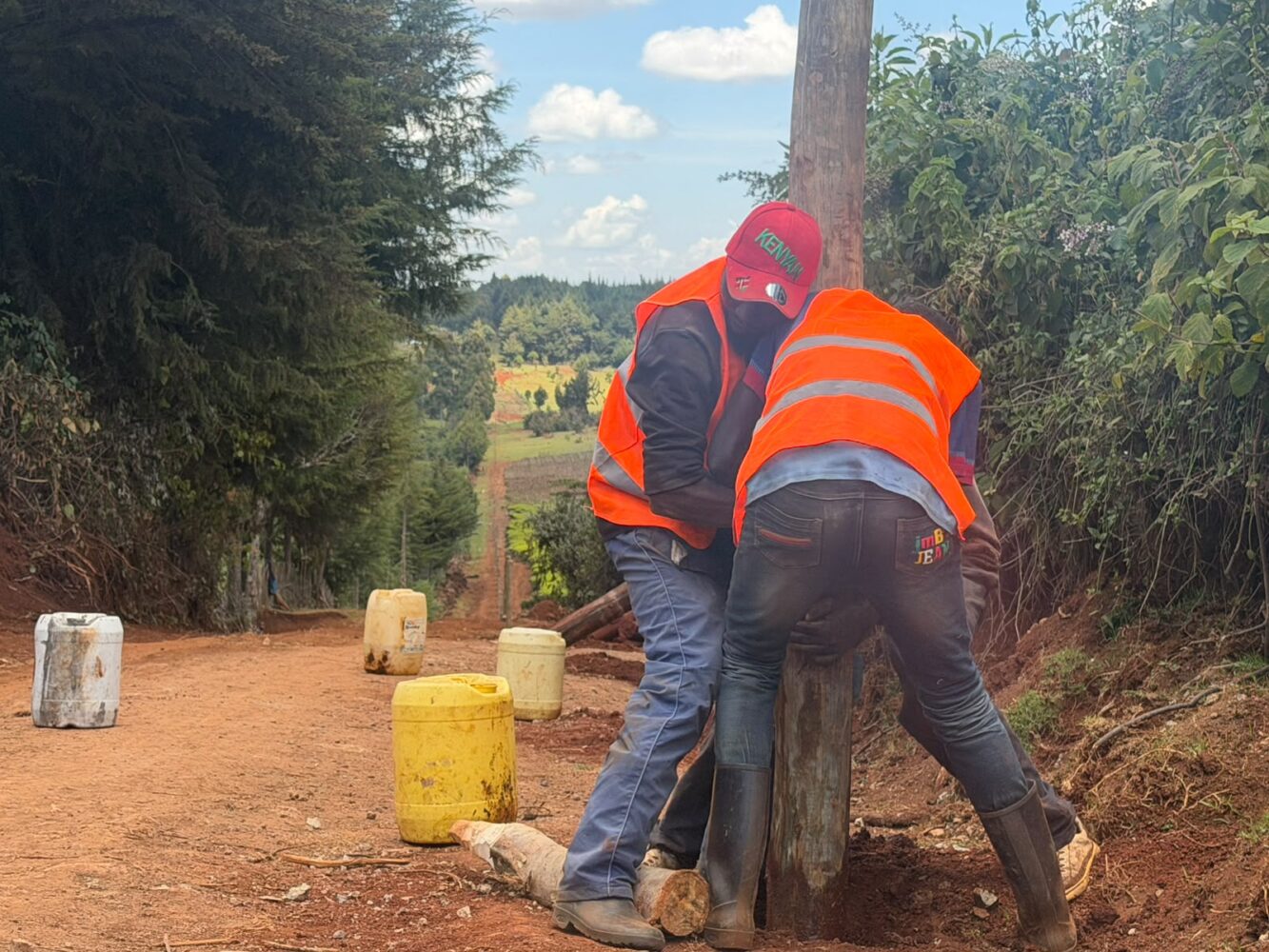
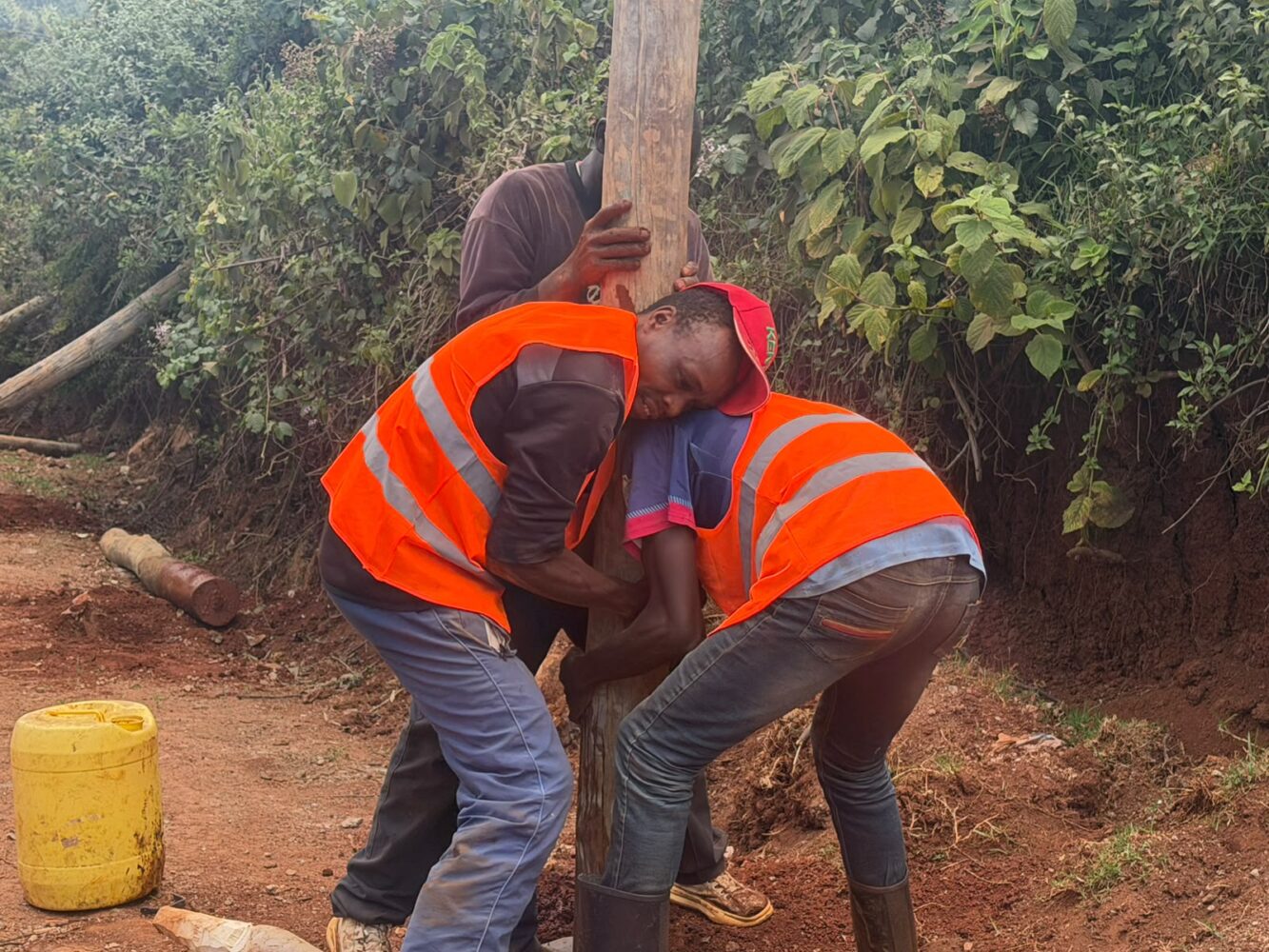
The committee has already demonstrated its effectiveness. One concern involving fencing poles whose gazetted coordinates placed them on a murram road at Chepsamo Shopping Centre, near the Benon Forest Block, was resolved within 24 hours, with the poles subsequently relocated.
Community representatives have also welcomed the Kenya Forest Service’s decision not to install powered electric fencing around schools and other public utilities until issues surrounding user licences are resolved. The move, they say, will help safeguard the safety of students and other members of the public.
For communities living alongside the forest, the mechanism represents a significant step towards ensuring that conservation efforts and community interests move hand in hand, with disputes addressed through dialogue, consultation and timely resolution.
Community user rights remain accessible
Community members have confirmed that grazing will remain accessible through designated gates identified by the community in consultation with the Kenya Forest Service. The locations of these gates have been jointly agreed upon to ensure easy access.
The Plantation Establishment and Livelihood Improvement Scheme (PELIS) in plantation forests will also continue to benefit farmers. Under the Forest Conservation and Management Act, the harvesting of mature exotic plantation trees is provided for by law. As plantation trees mature, harvesting will therefore continue, while local communities will continue supporting PELIS by helping to care for newly planted seedlings and ensuring the highest possible survival rates.
The Kaptagat Forest ecosystem community will also retain access to cultural sites and shrines. Other recognised user rights include the collection of medicinal herbs, harvesting of honey, harvesting of timber and fuelwood, grass harvesting, and collection of forest produce for community-based industries.
Additional recognised activities include ecotourism and recreational activities, scientific and educational activities, plantation establishment through non-resident cultivation, contracts to assist in specified forestry operations, and the development of community wood and non-wood forest-based industries.
Other benefits agreed upon between an association and the Service, as well as customary rights, will also remain accessible in accordance with the law and applicable agreements.
The objective of the fencing is not to deny communities access to the forest. Rather, it forms part of a national Kenya Forest Service programme aimed at protecting forests from destruction and encroachment across the country while ensuring that lawful community user rights remain accessible.
The community-led conflict resolution mechanism is therefore expected to strengthen cooperation between local communities and the Kenya Forest Service, ensuring that forest conservation is achieved through dialogue, participation and respect for legitimate community interests.