Members of the Senate Energy Committee have endorsed the proposed nuclear power plant in Bondo but insisted on strict safeguards on land compensation, public participation and safety before the project proceeds.
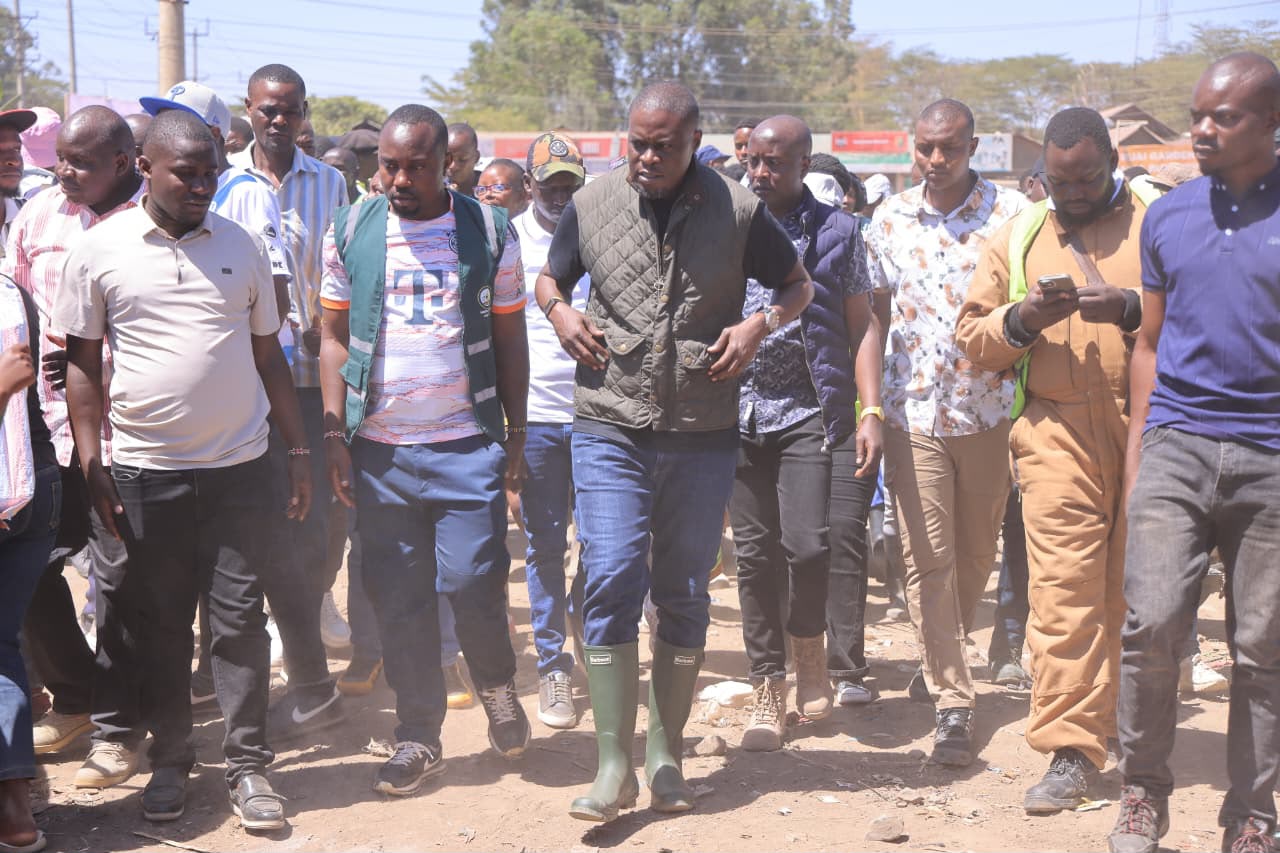
Speaking during a committee sitting in Bondo on Tuesday, committee chairman William Kisang said the project had been sited in the region to address long-standing marginalization and spur development.
He urged residents to engage with the Nuclear Power and Energy Agency (NuPEA) and Kenya Electricity Generating Company (KenGen) and warned against outside interference.
“We want to request you to embrace the project and engage with NuPEA and KenGen,” Kisang told residents and landowners. He said sensitisation meetings would continue until communities were satisfied and adequate compensation arrangements were in place.
Siaya Senator Dr Oburu Oginga, a member of the committee, said the plant would benefit not only Bondo but the wider region and the country. He described nuclear energy as a clean source of power capable of improving electricity supply as Kenya’s energy needs grow.
However, Dr Oginga cautioned that residents’ interests had to be addressed from the beginning, particularly concerns over nuclear waste, pollution and public health.
“We must make sure that this project incorporates the interests of the people and that the interests of Kenyans are taken care of,” he said. He called for detailed discussions on the disposal of nuclear waste before the project proceeds.
Bondo MP Gideon Ochanda said residents needed firm assurances that landowners would receive fair compensation based on independently established market values.
He raised concerns over unresolved succession cases and long-running land disputes in the area identified for the project, some of which he said had persisted for decades.
Ochanda also called for a study visit by about 20 community representatives to nuclear facilities in countries such as South Africa or Egypt to help dispel what he described as myths and fears surrounding nuclear power.
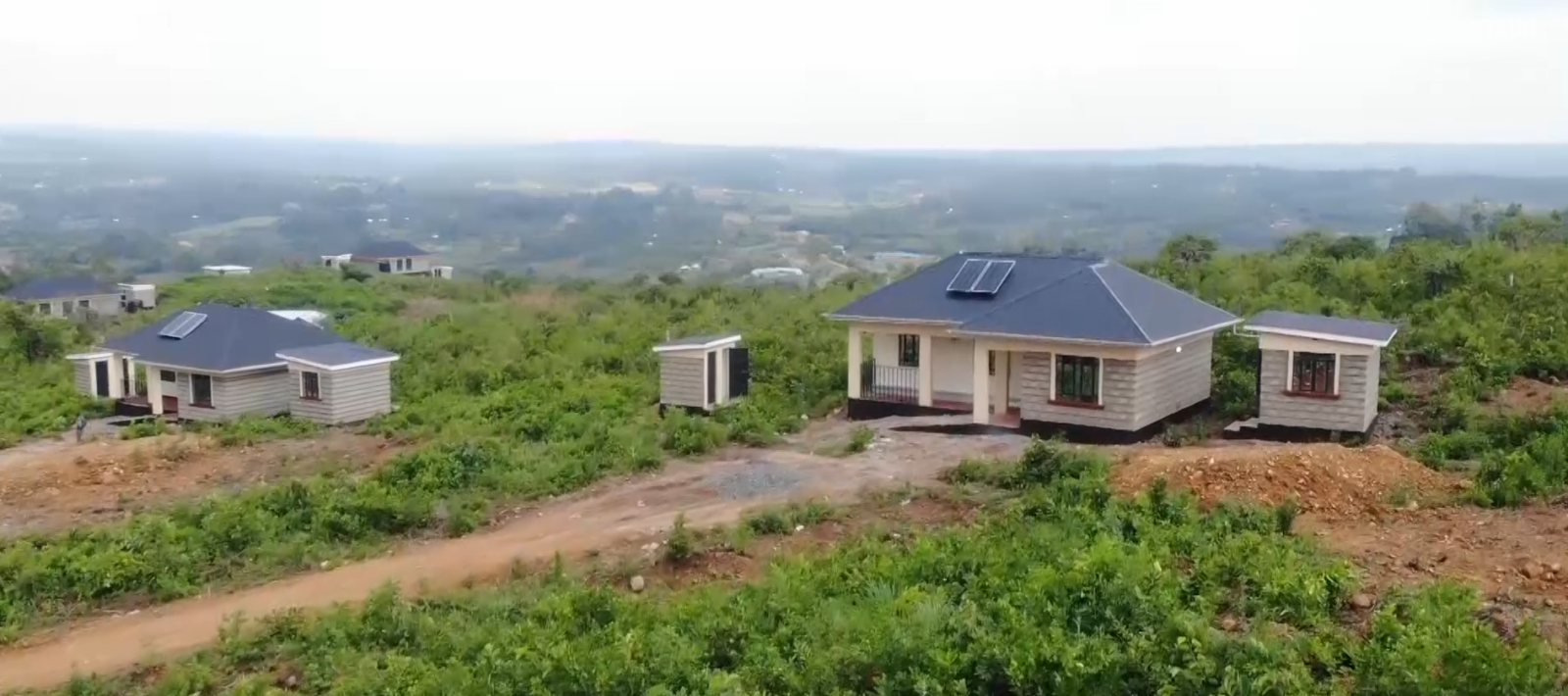
Residents sought clarification on the size of the project’s buffer zone, possible future expansion and the risk of displacement. Some questioned whether land within the buffer zone would be compensated and asked whether schools and other public facilities affected by the project would be rebuilt.
One resident said there was concern that the initially stated 800-metre area could expand to about five kilometers in future. He also warned against the emergence of cartels exploiting landowners during the compensation process.
NuPEA chief executive officer Justus Wabuyabo said the agency was committed to protecting residents’ rights and ensuring public participation throughout the project.
He said NuPEA and KenGen would continue explaining both the benefits and potential disadvantages of nuclear energy to residents, including those opposed to the project.
Wabuyabo said compensation would depend on the level of impact. Some affected residents could be relocated, while others living within the buffer zone could receive compensation or other benefits.
“Some of it might not be direct monetary compensation,” he said, adding that possible benefits could include improved schools, scholarships and hostels.
Several residents said the meeting had changed their views after receiving information on the proposed project. They nevertheless urged the authorities to hold separate consultations with landowners who were absent or opposed to the plant.
The committee said it would continue monitoring the process to ensure procedural compliance, full disclosure of safety and environmental plans, and fair treatment of affected communities before implementation.