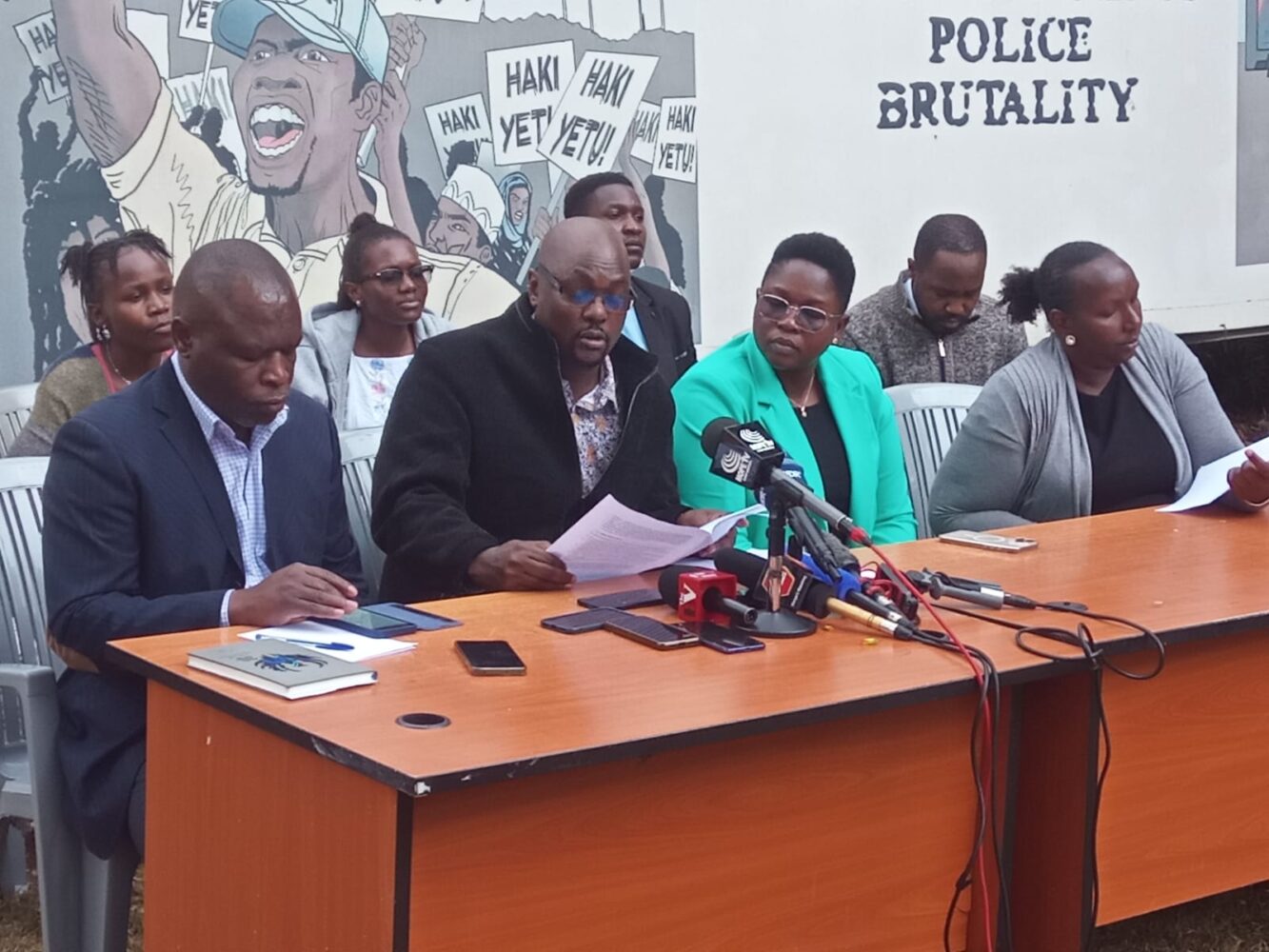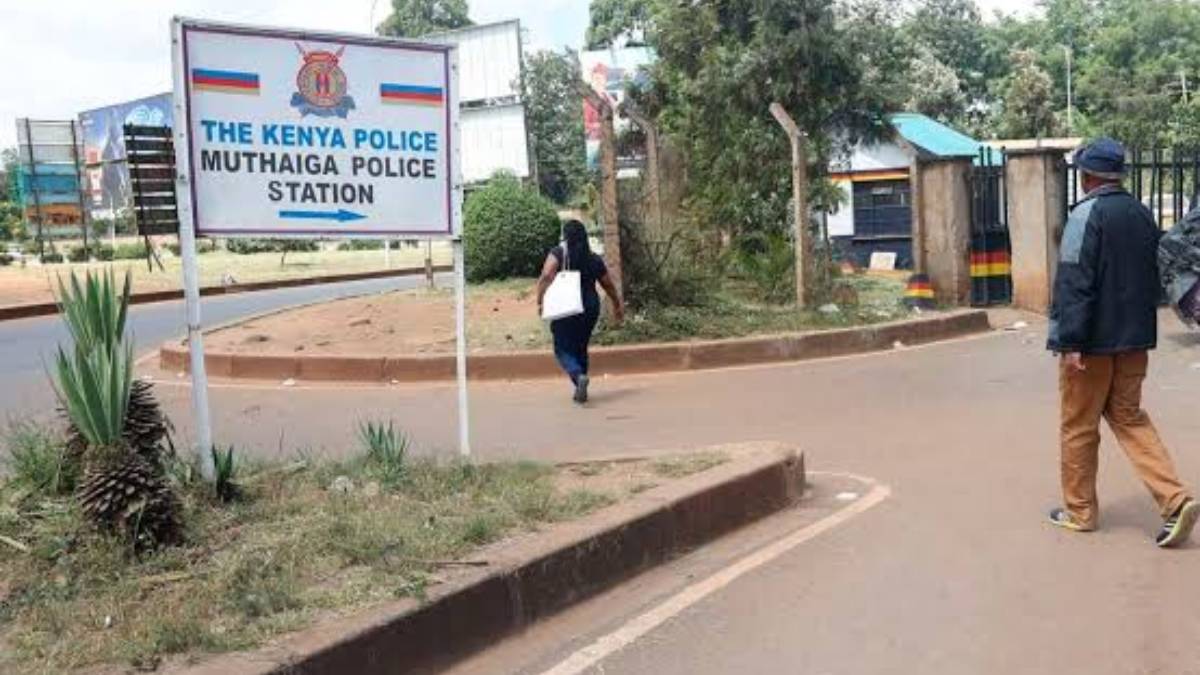
Fourty (40) Kenyans have died in police custody since 2025, this is according to data from the Independent Medico Legal Unit (IMLU).
In numbers that paint a grim picture of the country’s policing behaviour, IMLU says it documented 20 deaths in 2025, while another 20 have so far been recorded in 2026.
In a statement, IMLU says the 20 victims reported in 2026 comprise 19 adults (18 males and 1 female) aged between 25 and 64 years, as well as an infant boy who was accompanying his mother in custody.
Out of the 20 documented cases, IMLU says it supported 18 with forensic autopsies and detailed medico-legal documentation.
According to the body, forensic autopsy reports revealed three clear causes of death among the victims: 8 died from suffocation caused by hanging or neck compression; 5 succumbed to severe physical violence and blunt force trauma, including critical head injuries; and 5 died from underlying medical conditions, such as severe high blood pressure, diabetes, ulcers, and internal infections, that deteriorated fatally due to neglect, poor detention conditions, and a lack of timely medical care.
It is for this reason that IMLU has welcomed the recent directive issued by the Inspector General of Police Douglas Kanja, ordering the immediate interdiction of officers on duty, including the Occurrence Book (O.B.) handler, the cell sentry, and the duty officer, whenever a suspect dies in police custody.
“This decision marks a necessary and firm step toward curtailing custodial impunity, restoring public trust, and upholding the fundamental constitutional rights to life, human dignity, and protection from cruel or degrading treatment while in state custody,” IMLU says in a statement dated 14th August 2026.
Operationalise National Coroner Service
IMLU is also urging IG Kanja to make sure his directive translates into genuine justice and institutional reform.
According to IMLU, there should be prompt, independent, and exhaustive investigations into all deaths and cases of torture in the hands of police officers, with oversight mechanisms, including the Independent Policing Oversight Authority (IPOA), be provided with unhindered access, full cooperation, and adequate resources to establish the truth and facilitate swift criminal prosecutions.
Additionally, IMLU is calling for the fast-tracking of the operationalization of the National Coroners Service Act, which establishes an independent National Coroners Service that will be critical to ensuring impartial forensic autopsies, cause-of-death inquiries, and inquests free from institutional bias or police interference.