
There should be a special audit into the sale of KSh15 billion shares in supermarket chain Quickmartk, this is according to the National Assembly Public Investment Committee on Commercial Affairs and Energy.
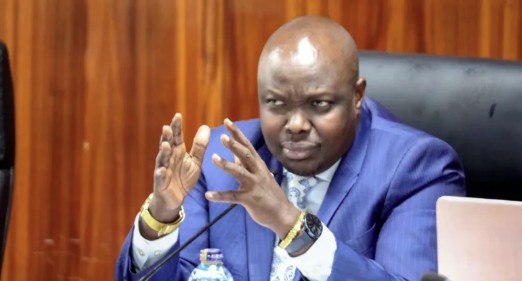
This is after the Committee, chaired by Pokot South MP David Pkosing, raised concerns that Kenyan investors could lose their money.
MPs at the committee said they suspect the deal may be structured to siphon funds and collapse the retailer.
The call came during a heated session in which the Capital Markets Authority (CMA) appeared before the committee, with legislators questioning how the regulator approved the Quickmart share sale despite what they described as a troubling history of supermarket failures in the country.
The committee directed that a special audit be conducted to unearth how the deal was structured, with a view to establishing whether the interests of small Kenyan investors are protected.
It is aimed at testing whether the transaction is a scheme to drain the economy and bring Quickmart down.
Opening the onslaught, Kaloleni MP Paul Katana told the CMA that it had “taken advantage of Kenya’s ignorance” and facilitated corruption, citing the collapses of Nakumatt and Uchumi and warning that Quickmart was next.
“You allow Kenyans to invest in companies that are running down,” he said, demanding to know what the CMA had done that Kenyans could take note of. “Kenyans are crying, hurting.”
CMA Managing Director Wycliffe Shamiah acknowledged that investor protection was an issue, but sought to draw a distinction between listed supermarkets and those that had collapsed.
“Some of them are supermarkets which are not under us. They were not listed. The House needs to think how they can be regulated,” the MD said, noting that Tuskys and Nakumatt never floated shares to the public.
He confirmed, however, that the CMA approved the Quickmart share sale.
The special audit, as directed by the Committee, is expected to establish how the Quickmart share sale was structured and approved by the CMA. It is geared to determine whether adequate safeguards exist to protect small Kenyan investors.
MPs also want to know whether the transaction is a genuine exit by Atania or a vehicle to liquidate the retailer and shut its doors. They also seek to know the adequacy of the legal instruments underpinning the regulator’s approval process.
The committee’s move signals growing parliamentary scrutiny of the CMA’s oversight of unlisted and SME-tier investments.
MPs are warning that without answers, Kenyan investors could be left holding the bag in yet another supermarket collapse.