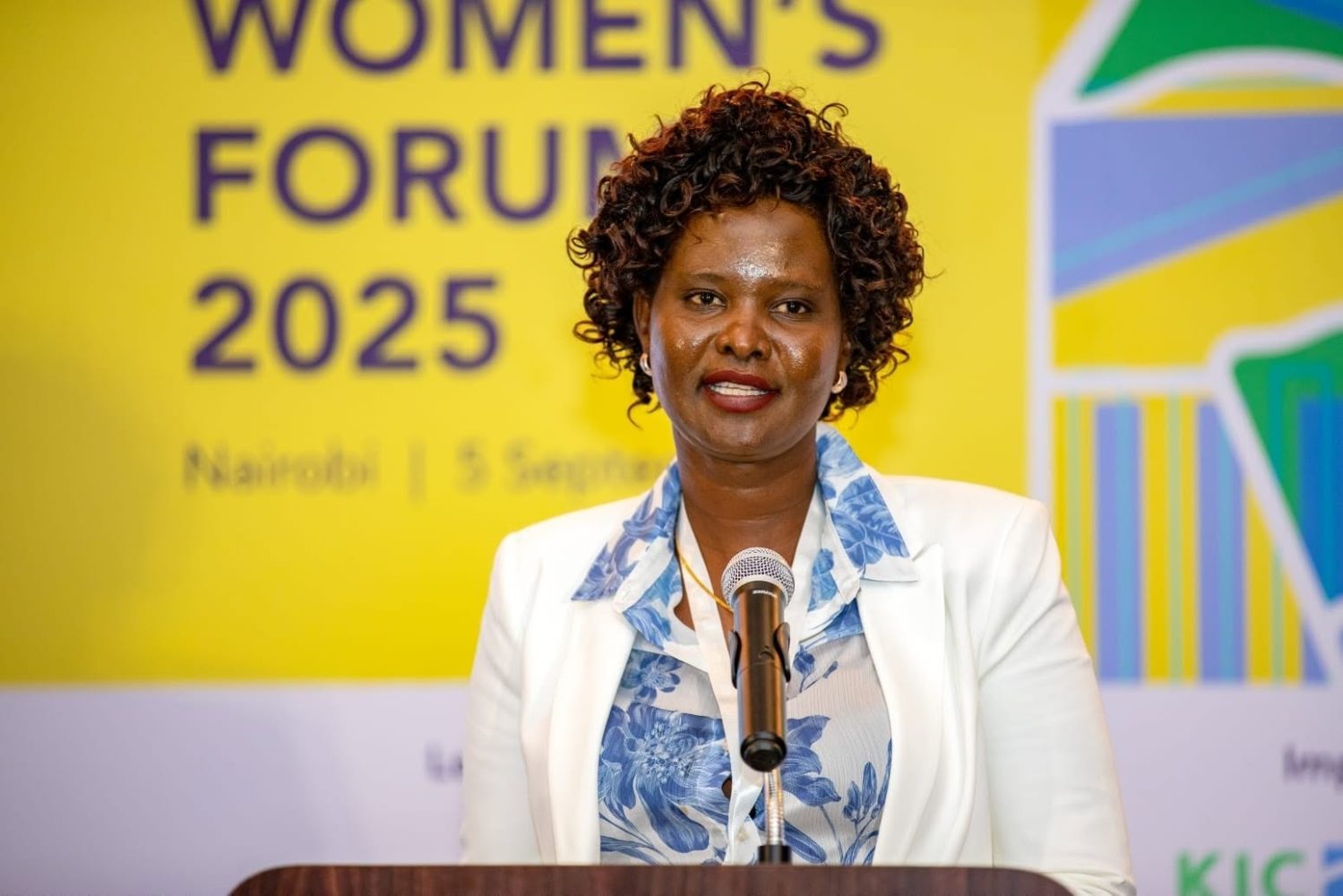

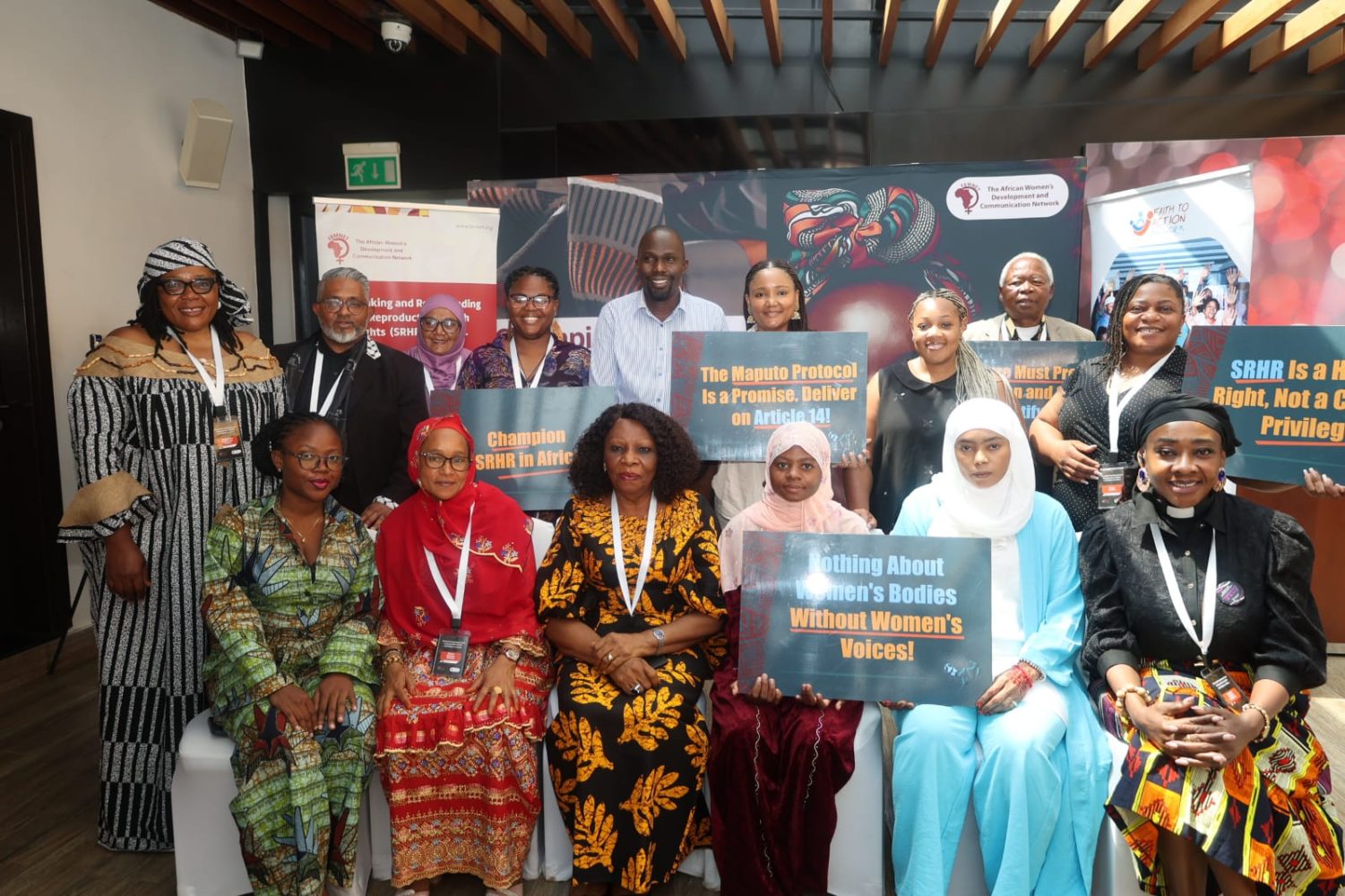
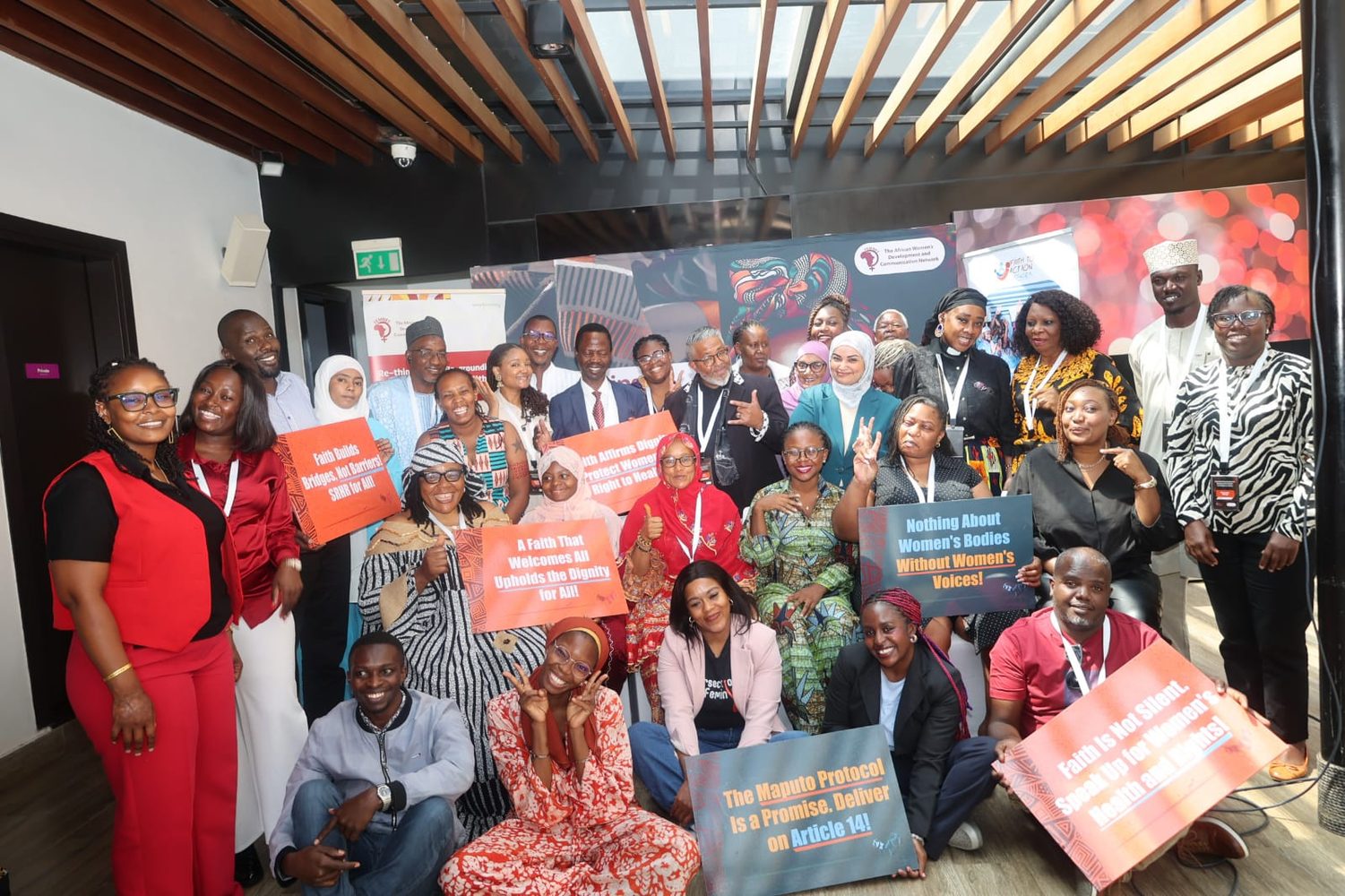
A regional summit in Nairobi has brought together women’s rights organisations and faith leaders to address Africa’s reproductive healthcare challenges, with fresh data highlighting the scale of maternal deaths and limited access to essential services.
A joint report by the African Women’s Development and Communication Network (FEMNET) and the Faith to Action Network indicates that sub-Saharan Africa accounts for 70 per cent of maternal deaths globally, representing more than 202,000 preventable deaths annually.
The findings also point to significant gaps in reproductive health services and women’s ability to make independent decisions about their bodies.
According to the report, only 36.8 per cent of married or partnered women across 27 surveyed African countries can independently make decisions regarding sexual relations, contraceptive use and reproductive healthcare.
Meanwhile, fewer than 19 per cent of adolescents in the region have access to modern contraceptives, while 20 per cent of young girls experience early childbearing or forced marriage before turning 18.
Unsafe abortions account for approximately seven per cent of maternal deaths in sub-Saharan Africa, with restrictive and inconsistent national laws further complicating access to reproductive healthcare.
The summit also raised concerns over growing digital misinformation, online harassment and legal intimidation targeting healthcare providers, human rights defenders and youth advocates.
Participants warned that reproductive health programmes face additional pressure from an anticipated $30 billion global funding shortfall, driven by shifting donor priorities and restrictions on international financing.
In response, delegates called for closer cooperation between faith-based organisations and women’s rights groups, urging communities to prioritise access to healthcare over stigma and discrimination.
Speaking at the summit, South African delegate Rev. Seth Naicker emphasised the importance of protecting human life and dignity before addressing broader moral and spiritual concerns.
“You cannot heal a soul if you allow the body to perish,” Naicker said. “Only after an individual is physically safe, stable, and treated with basic human dignity can a community constructively address deeper spiritual, familial, or moral issues in an environment of security rather than shame.”
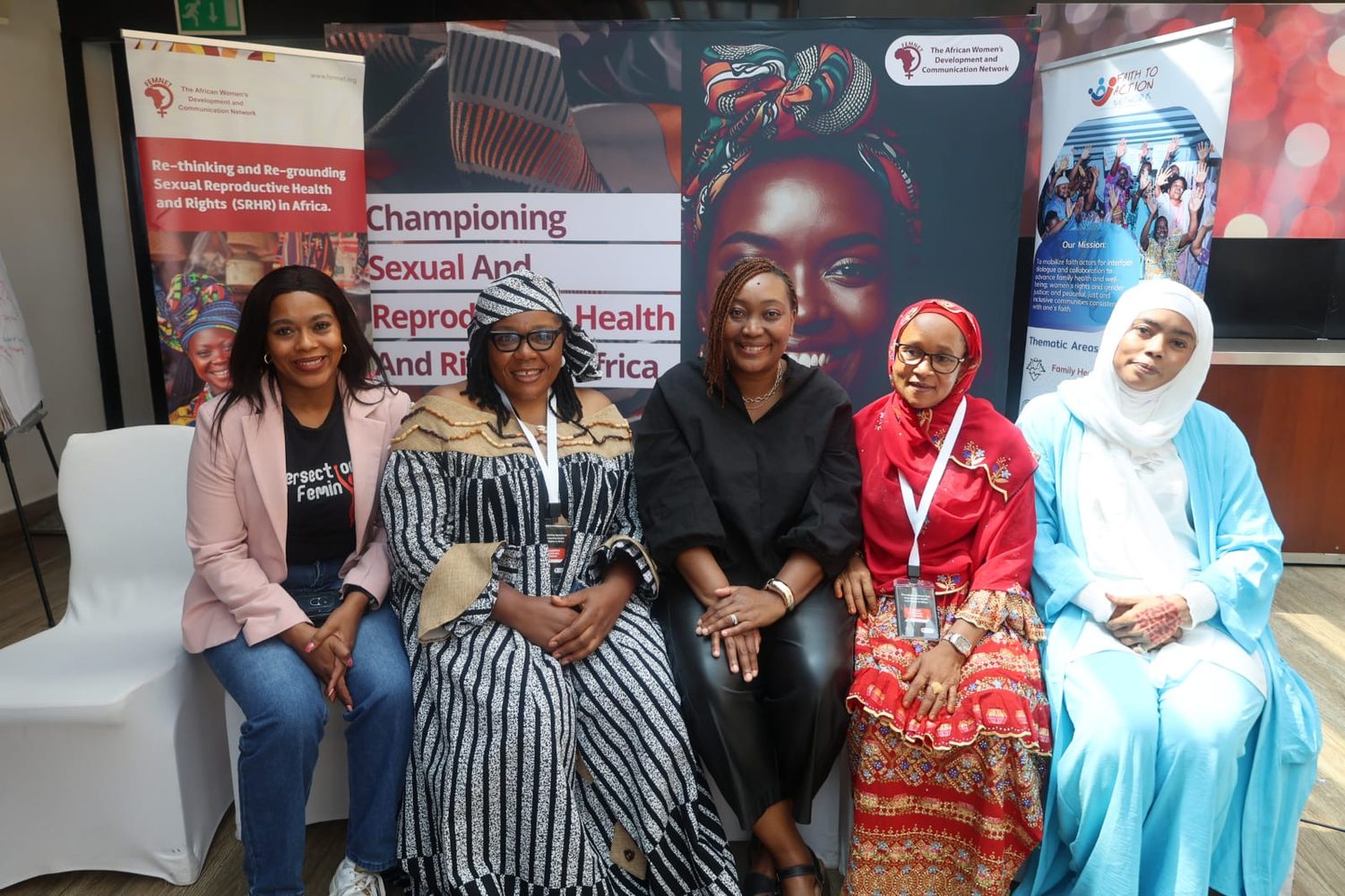
The emerging coalition proposed several interventions, including establishing adolescent-friendly spaces in faith-owned clinics to improve access to counselling and voluntary family planning services.
It also called for training traditional and cultural leaders on women’s legal rights and strengthening gender-based violence protection mechanisms within customary courts.
Additionally, the alliance urged African countries yet to ratify the Maputo Protocol to do so, in line with the African Union’s target of achieving universal ratification by 2028.
The partnership seeks to strengthen accountability and improve reproductive healthcare access for women and young people across the continen