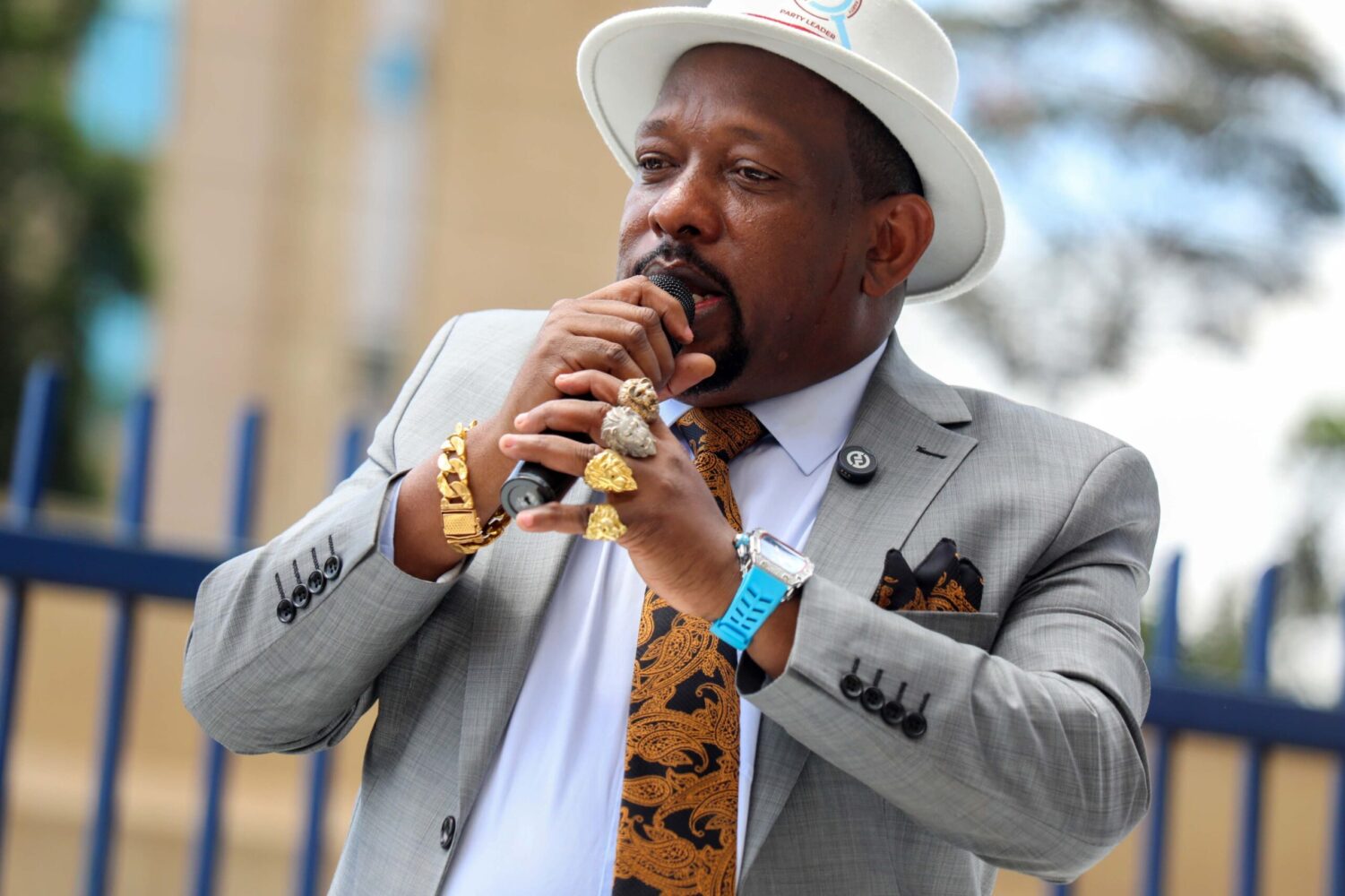
Lawyer and High Court advocate Danstan Omari has raised serious constitutional concerns over the prosecution of seven students arraigned in connection with the Utumishi Girls Academy fire tragedy.
He warned that evidence gathered through CCTV cameras installed in the students’ sleeping areas may be inadmissible in court, and could ultimately see the suspects walk free.
Speaking in a detailed legal breakdown, Omari pointed to Article 31 of the Constitution, which protects every Kenyan’s right to privacy, arguing that installing surveillance cameras in areas where students sleep constitutes a clear violation of that right.
“Those CCTV cameras were installed where the kids were sleeping. Under Article 31, the Bill of Rights, the right to privacy is protected. Was it violated? It was violated. Those kids are likely to go home scot-free,” he said.
Omari further warned that under Article 50 of the Constitution, any evidence obtained in a manner that violates a fundamental right or freedom in the Bill of Rights shall be excluded if its admission would render the trial unfair or be detrimental to the administration of justice.
He also cautioned the state against presenting AI-generated or manipulated footage, saying the defense would subject all CCTV evidence to rigorous independent analysis.
On the broader constitutional framework governing the case, Omari walked through three key provisions, Articles 53, 49, and 50, that he said must be strictly observed throughout the process.
Under Article 53, which deals specifically with children’s rights, Omari noted that the students cannot be subjected to any form of violence, inhuman treatment, or forced confession.
They must be held separately from adults in child protection units, provided with proper nutrition and healthcare, and detained only as a measure of last resort for the shortest appropriate period.
“If the DCI used force on those children, the DCI will face the law,” he said.
Under Article 49, which covers the rights of arrested persons, Omari emphasized that the students have the right to remain silent, the right to legal representation of their own choice, and cannot be compelled to make any confession or admission.
He also noted that parents who cannot afford legal fees need not worry, as the state is constitutionally obligated to provide advocates for children in conflict with the law at no cost.
Omari also addressed the court proceedings directly, confirming that the state had requested 30 days of detention to allow for investigations, while the defense argued against the application. The magistrate deferred the ruling to the following day at 2pm, when the court would determine whether to grant the 30 days, reduce the detention period, or release the children on bail or bond.
On the question of a speedy trial, Omari reduced public expectations.
“The earliest that trial will take is four to five years, or it will go to eight years,” he said, pushing back against calls on social media for a swift conviction.
He reminded the public that the children are presumed innocent until proven guilty by a court of law, and that only the judiciary, not the police, the public, or any government official, has the power to determine guilt.
Omari also issued a warning to members of the media and the public sharing images or names of the students online, saying that Article 50 Sub-Article 8 of the Constitution prohibits the publication of the names of child suspects, their parents, or even the name of their school.
“I have seen very many media paparazzis posting photos of the children. You will be arrested and you will be charged,” he warned.